
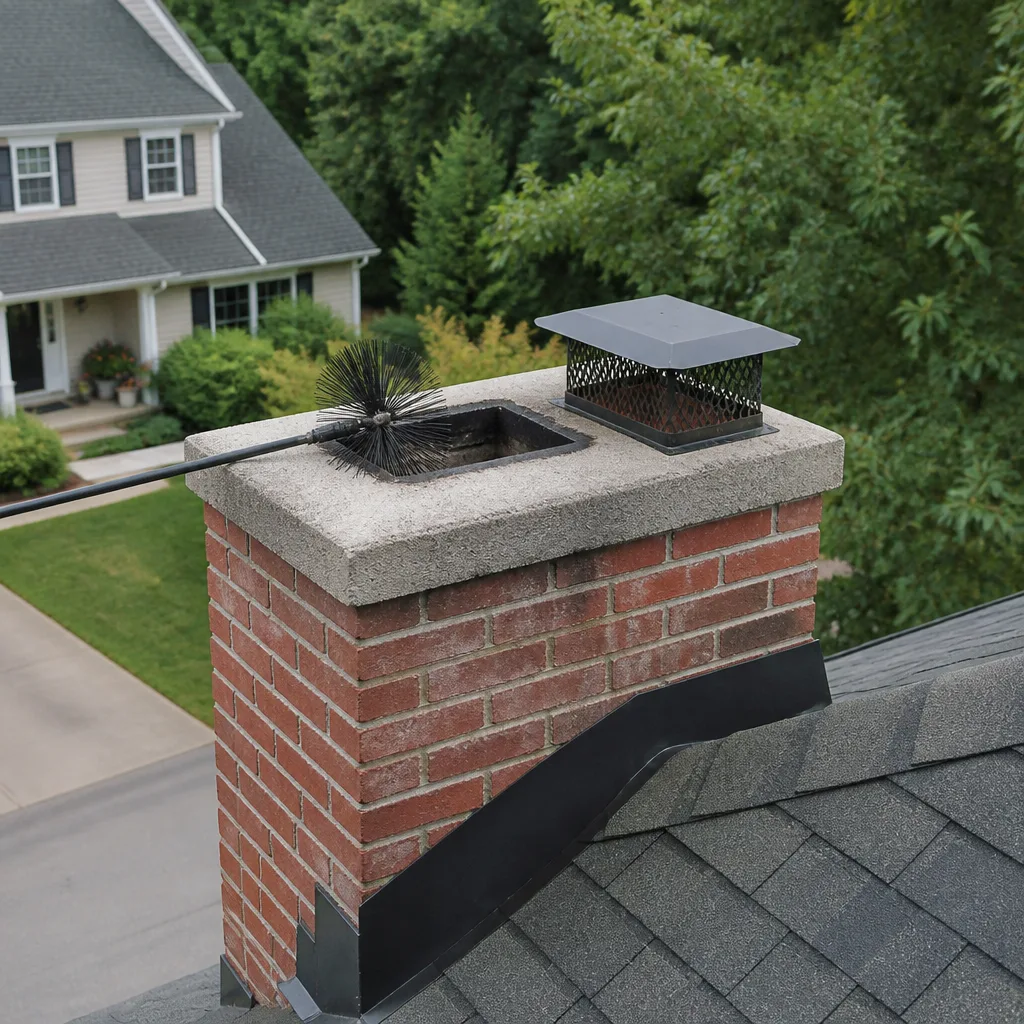
 Sweep & inspection
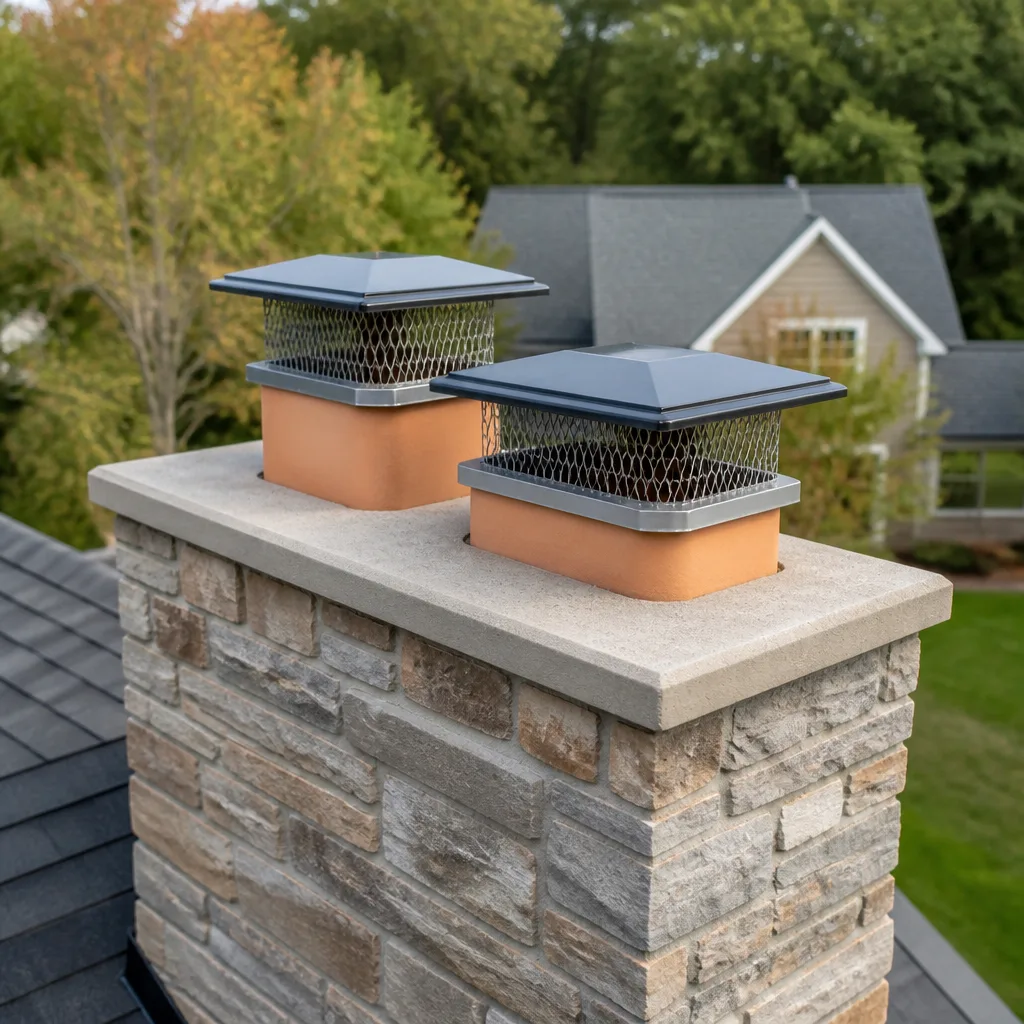 Caps & crowns
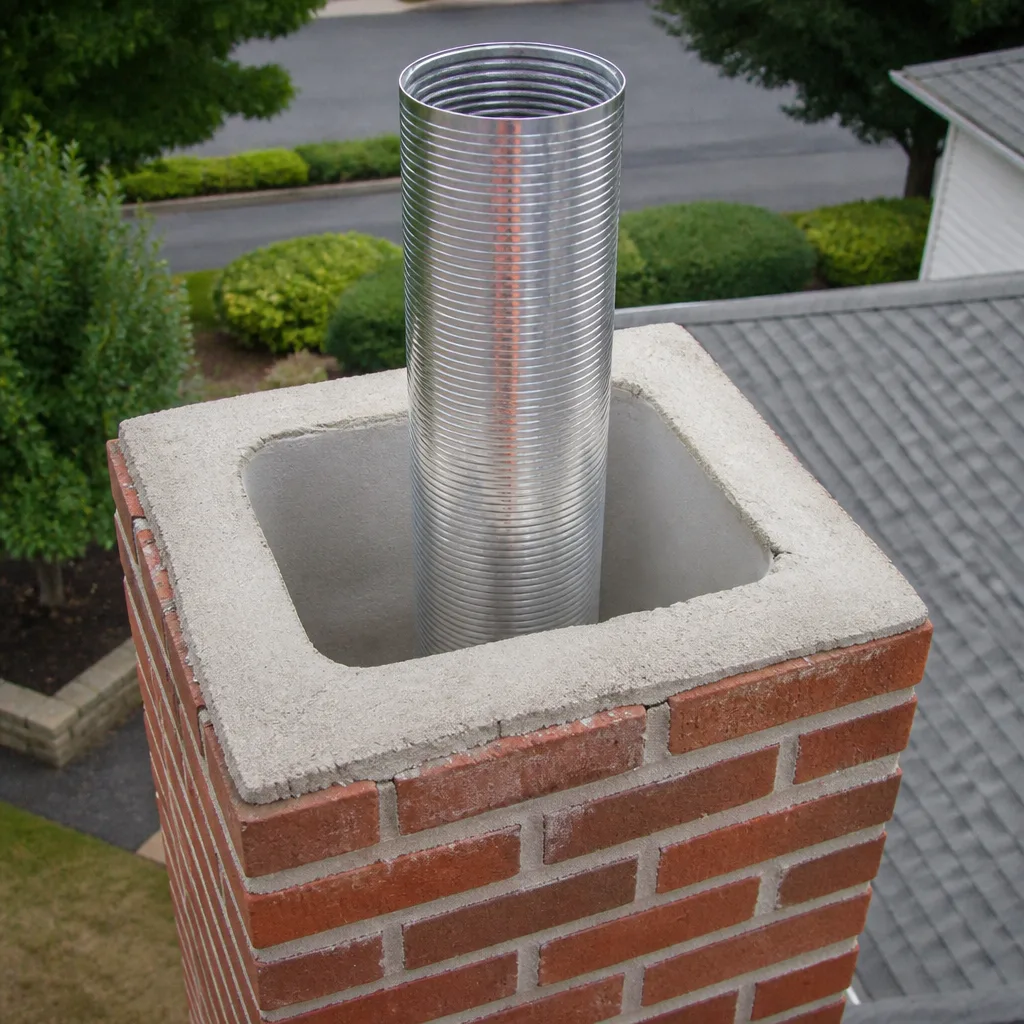 Flue relining
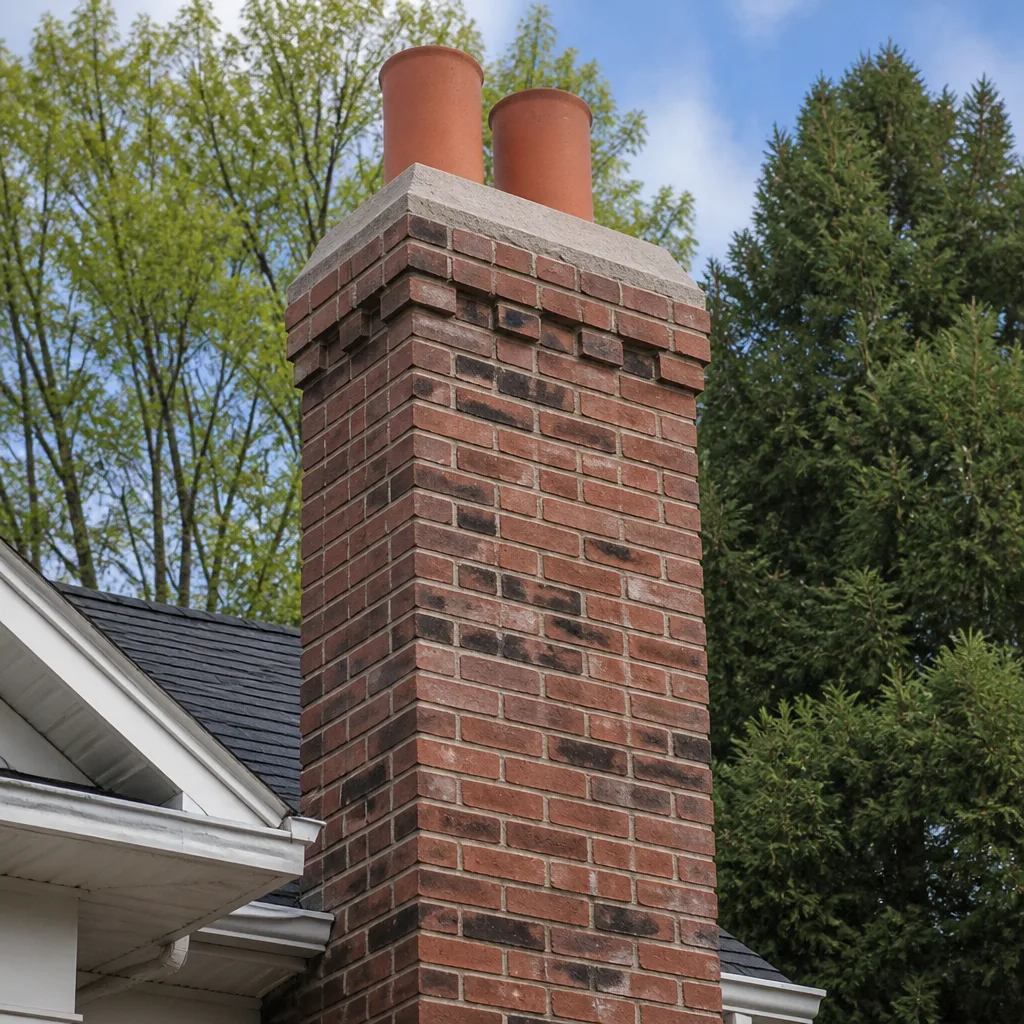 Masonry repair
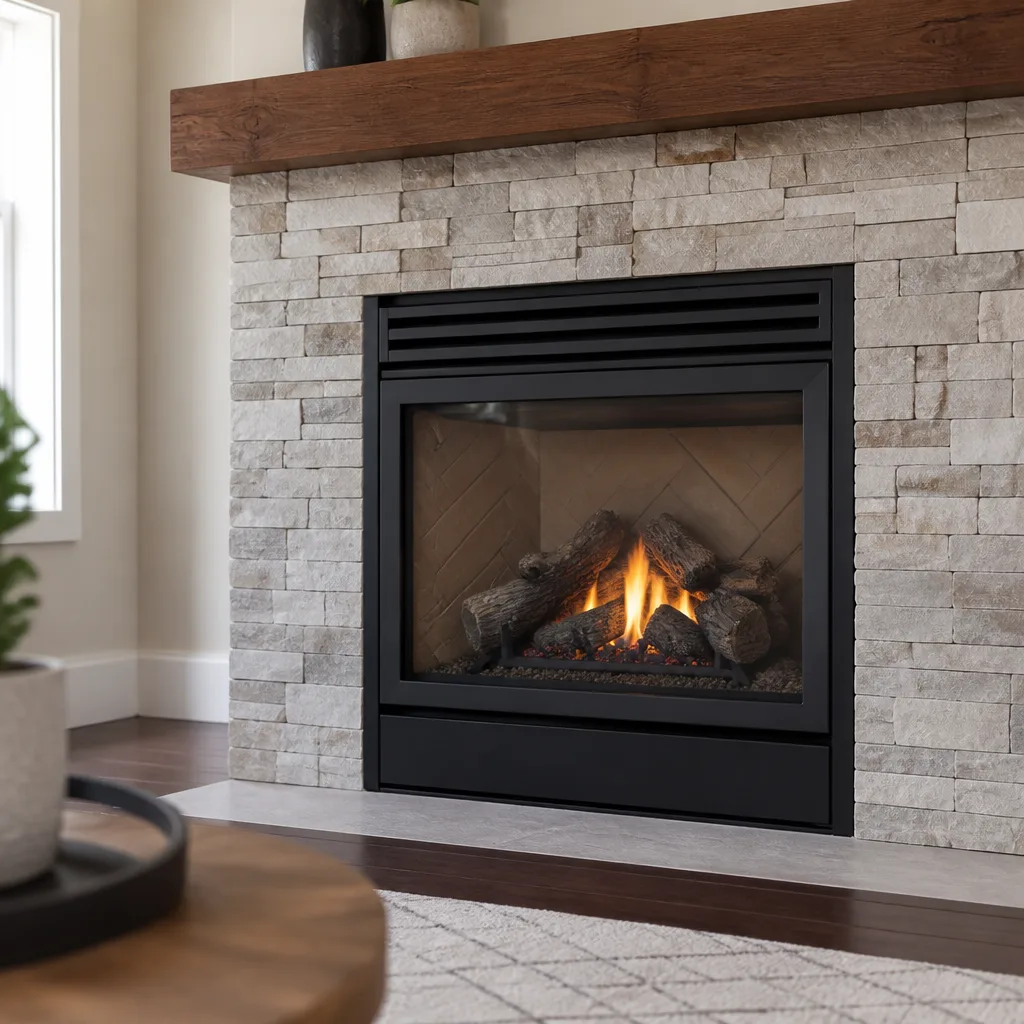 Gas fireplace service
Level 1 sweep and inspection to the NFPA 211 annual standard - flue, crown, cap, and flashing checked and photographed
Chimney sweep logs do not sweep chimneys. They loosen some creosote - which then falls where a brush and vacuum still have to collect it.
HeatShield Chimney Cap Installation: The Sacramento Owner’s Guide
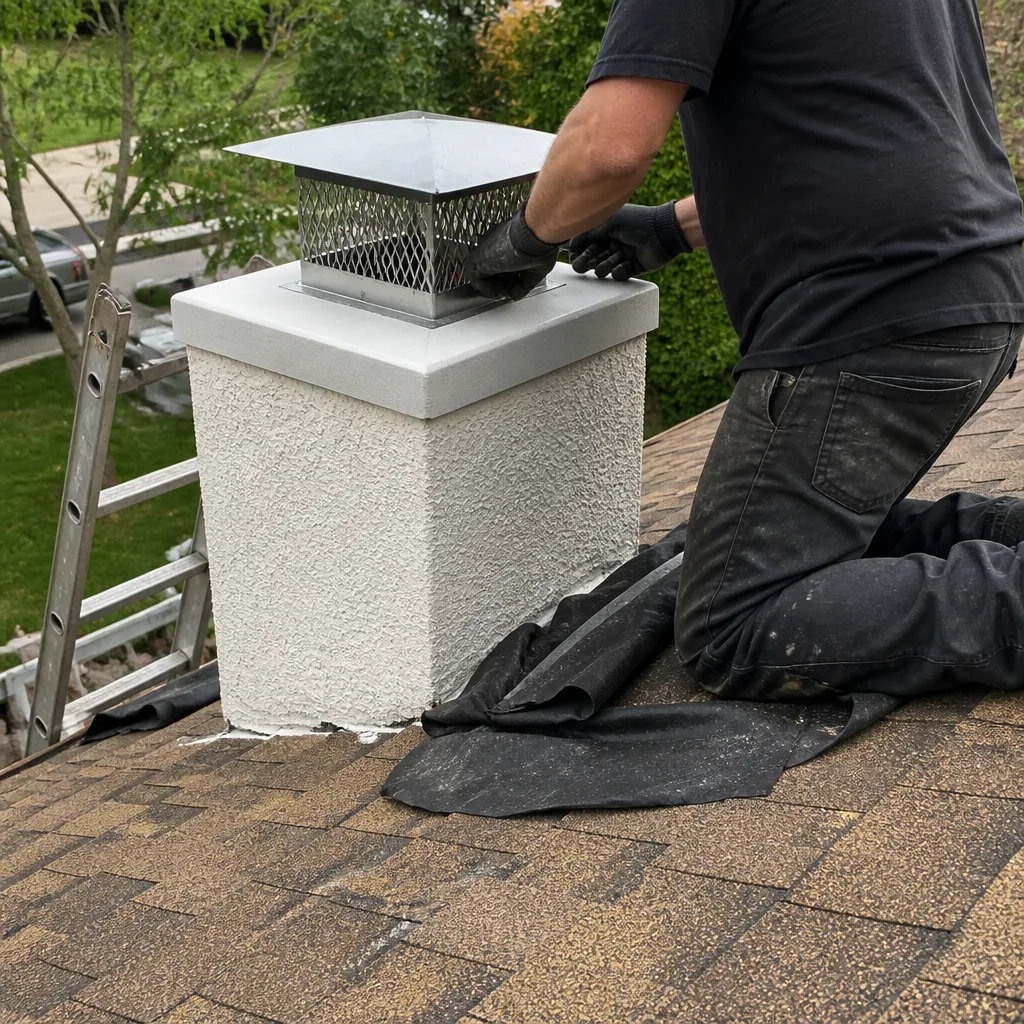
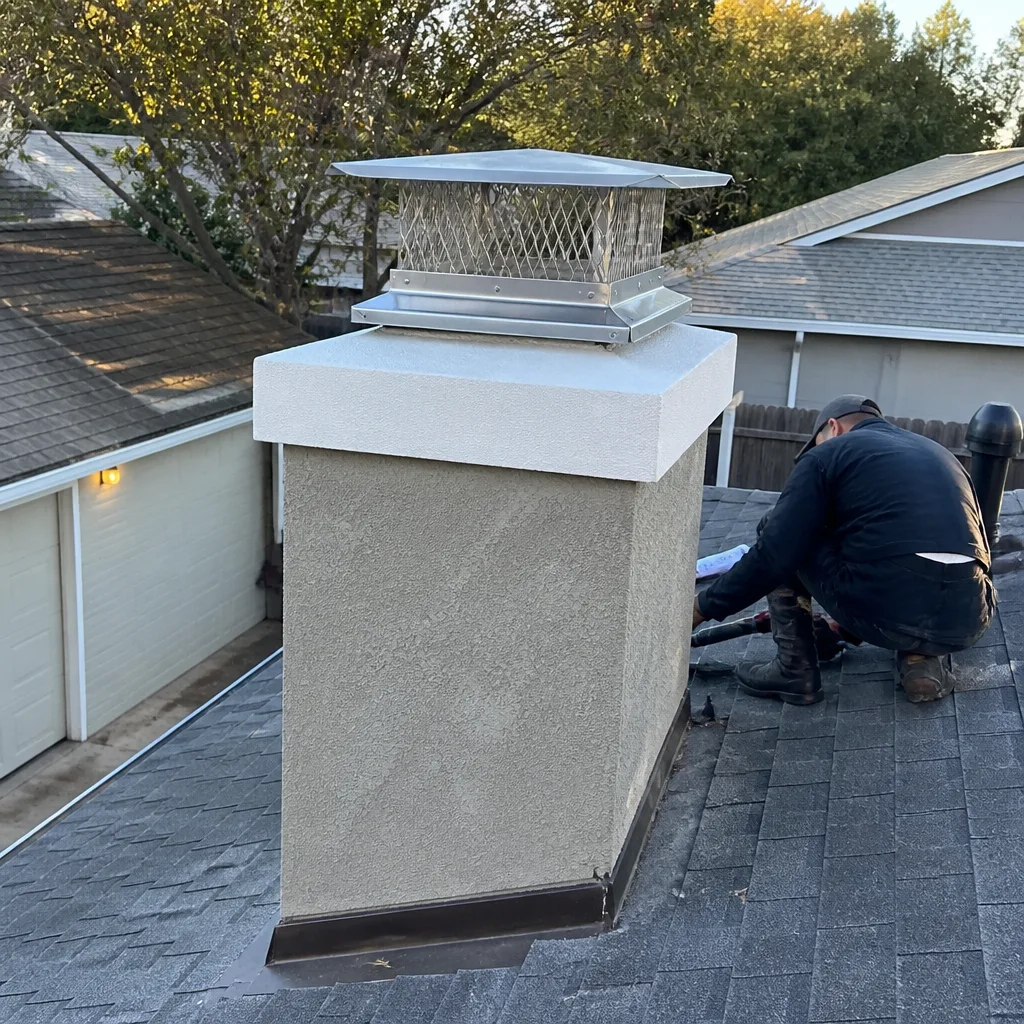
We install HeatShield chimney caps in Sacramento for between $380 and $720 installed, depending on the flue size and how much of the existing mounting hardware is still sound. Most HeatShield cap replacements take 45 to 90 minutes on site, and we keep the common sizes on the truck. Owners usually find us after a storm pulls a damaged cap loose and they notice water staining on the ceiling near the fireplace chase, or after birds start working their way past a cap that’s lost its mesh.
The cap is the first line of defense for a HeatShield system. When it fails, water gets into the flue, and Sacramento’s wet winters do the rest. A rusted cap on a HeatShield-lined chimney is a fixable problem. A rusted cap that’s been ignored for a season is a liner problem. We’d rather catch it at the first stage, and that’s what this page is for.
Which HeatShield Models This Applies To
HeatShield caps are sized to the flue, not to a specific liner series, so the same cap works across their Cerfractory and joint-repair applications. What matters is the inside diameter of the flue tile and the outside dimensions of the crown. We measure both before quoting. If you have the original cap, check the underside for a stamped size: most HeatShield caps carry a number like 6, 7, 8, or 13, which corresponds to the flue diameter in inches. If the stamp is gone, we measure the flue tile opening and the crown edge-to-edge to pick the right cap with proper overhang.
HeatShield does not sell caps directly to homeowners in most cases. We source OEM HeatShield caps and keep equivalent professional-grade aftermarket options from Copperfield on hand for situations where a custom crown size makes an OEM cap a poor fit. The aftermarket equivalents we carry match the mesh gauge and stainless grade of the OEM part. The one compatibility gotcha we see in Sacramento: homes built in the 1980s with oversized clay flues often measure 13 inches or larger, and both OEM and aftermarket caps in that size can take a few days to bring in. We’ll tell you that up front rather than putting a 6-inch cap on a 13-inch flue and calling it done.
Styles & brands we work with
Signs Your HeatShield Chimney Cap Installation Is Failing
- Water staining on the ceiling or wall near the fireplace. This is the most common first sign. A cap with damaged seams or a broken spark arrestor lets rain run down the flue and pool where the chase meets the ceiling line. In Sacramento homes with flat chase tops, the water usually shows up as a brown ring about 12 to 18 inches from the fireplace opening.
- Rust streaks on the cap itself when viewed from the yard. Sacramento’s winter rain followed by summer heat accelerates rust on caps made from lower-grade stainless. If you can see orange streaking without climbing up, the cap’s protective layer is already gone and water is working on the seams below.
- Birds, squirrels, or bees entering the chimney. A torn or missing mesh screen turns the flue into a nesting cavity. We’ve pulled live birds out of HeatShield chimneys in Land Park and East Sacramento more times than we can count, always behind a cap that looked fine from street level but had a mesh failure at the back corner.
- Debris falling into the firebox when the wind blows. If you’re finding small pieces of mortar, leaf fragments, or what looks like cap material in the firebox, the cap is breaking down. Wind gusts in the Delta corridor will shake a loose cap against the crown, and the pieces end up where the draft carries them.
- A cap that sits visibly crooked or loose after a storm. The cap should sit level on the crown with no gap between the cap base and the mortar. If you can see daylight under one side, water is getting in regardless of how intact the cap looks. We see this consistently in Sacramento after the January and February wind events.
See the difference
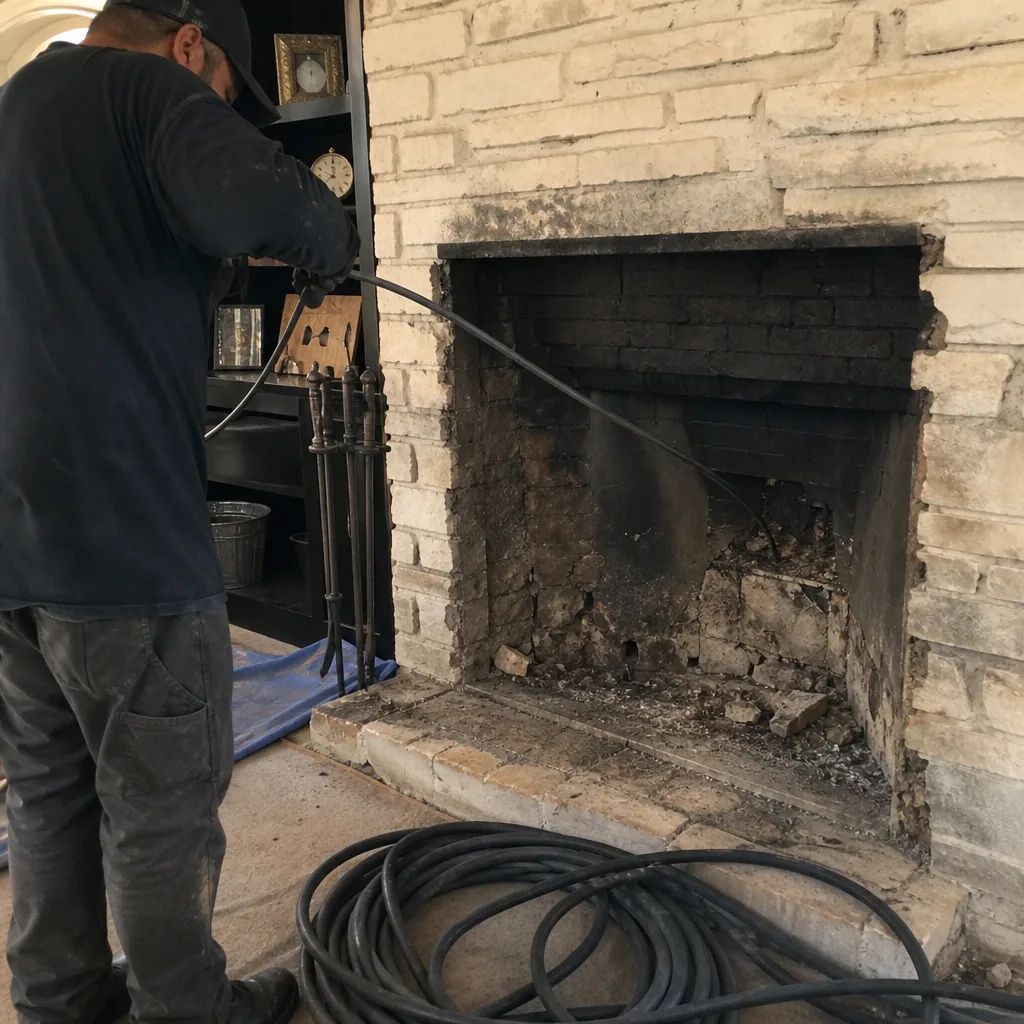 Before
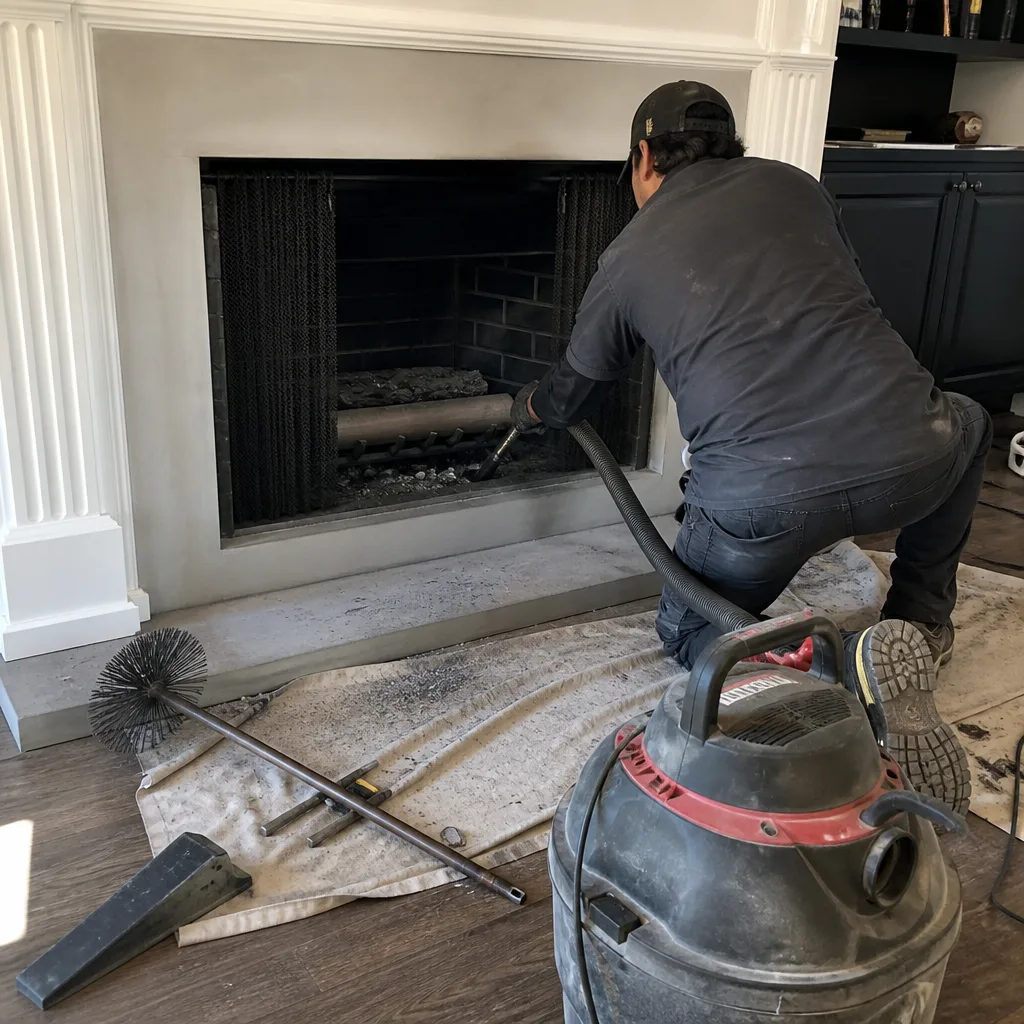 After
After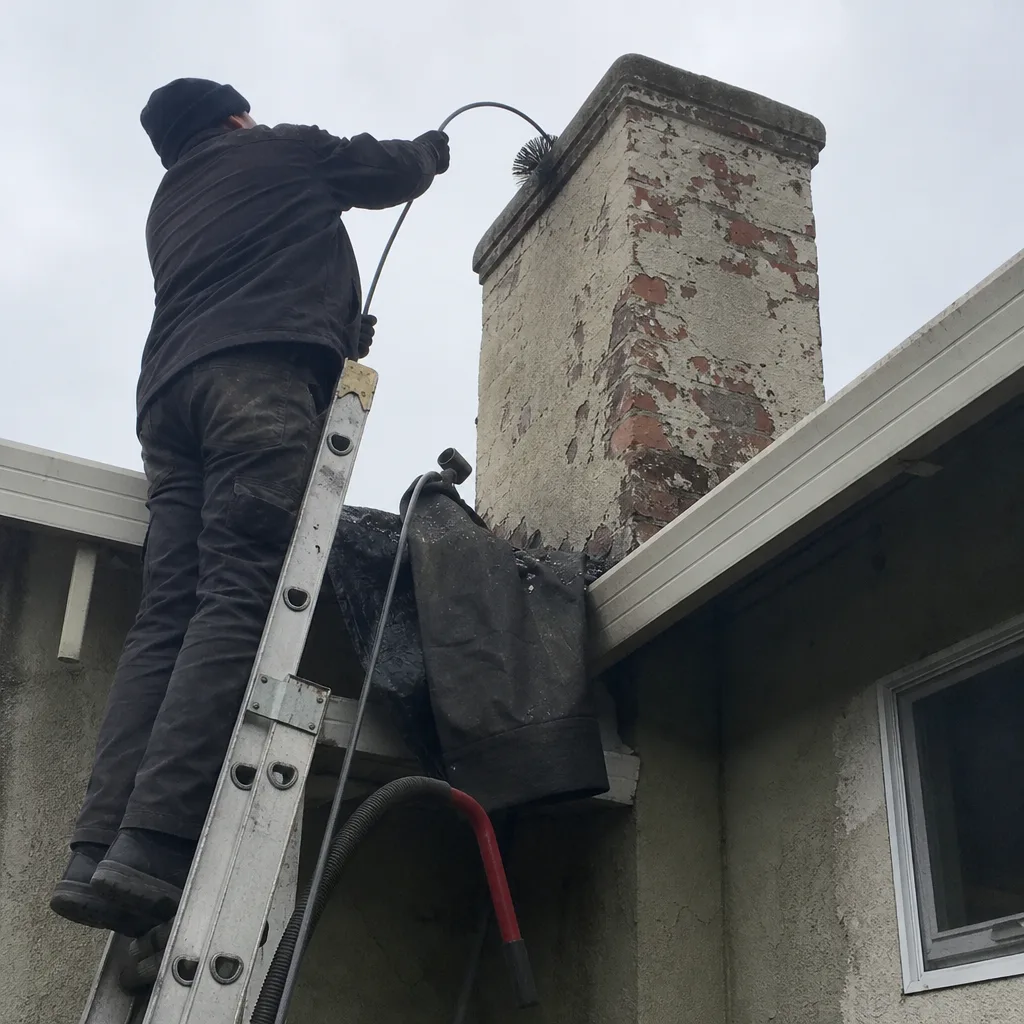 Before
 After
After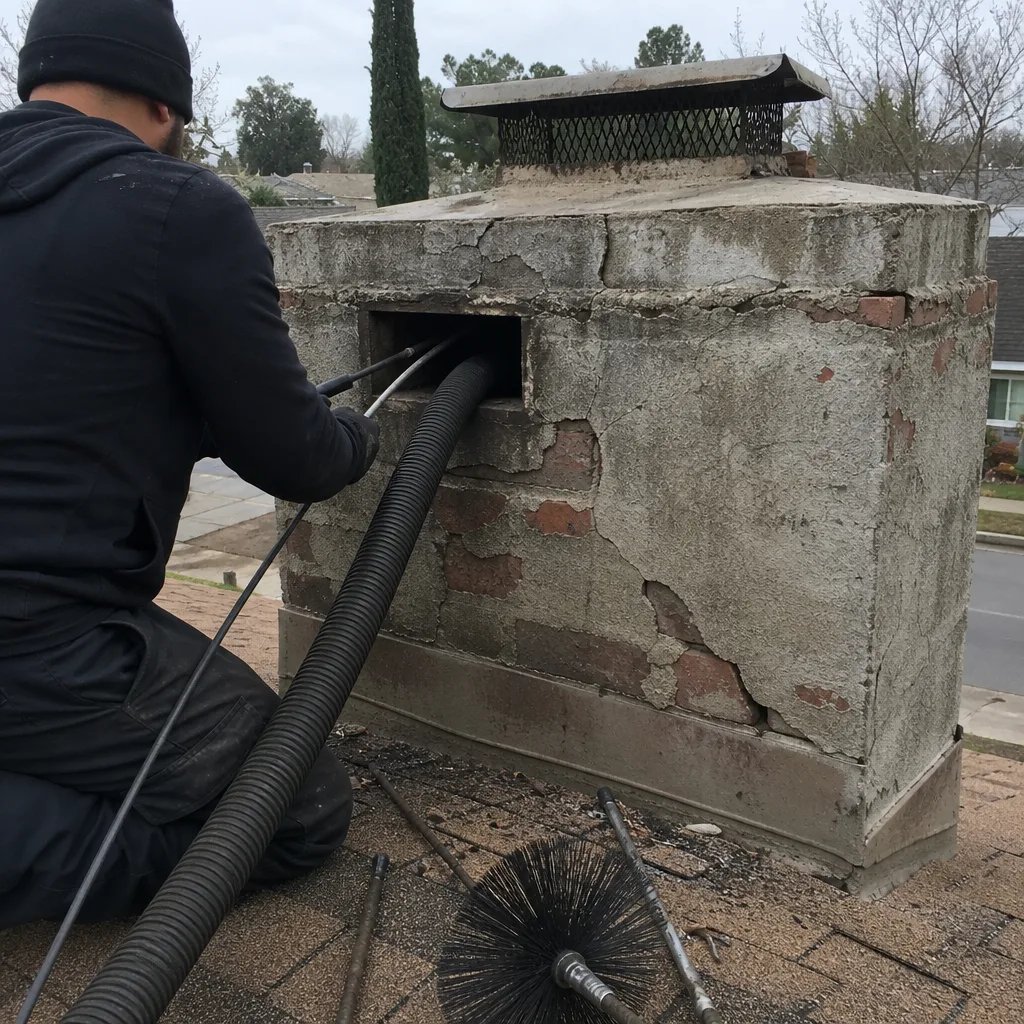 Before
 After
AfterReplacement Cost & What’s Included
For a standard single-flue HeatShield cap replacement in Sacramento, plan on $380 to $520 installed. That includes the new cap, new stainless mounting hardware, removal of the old unit, and sealing the base to the crown with a proper chimney-grade sealant. Multi-flue caps run higher, usually $450 to $720, because the cap itself is a larger fabricated piece and the crown often needs additional sealing work.
What changes the price: flue size (a 13-inch flue is a specialty order), crown condition, roof accessibility, and whether the old mounting hardware has rusted to the point where we need to drill and set new anchors. A chase-top mounted cap on a zero-clearance HeatShield system runs toward the upper end because the chase pan often needs cleaning and resealing before the new cap seats correctly.
Every quote is written before work starts. You’ll see the cap cost, labor, and any sealing work itemized. The installation is covered by our 365-Day Done Right Promise: if the cap leaks, shifts, or fails due to our install, we fix it on our schedule and our dime.
DIY or Call Us?
A cap replacement means working on the roof, at height, often on a wet or steep surface. We don’t recommend DIY for this one, and not because it’s complicated: it’s because the failure mode is a fall, and the second failure mode is a cap that looks tight but isn’t sealed and leaks through your ceiling for another winter. Some Sacramento owners safely check the cap from the ground with binoculars to confirm what they’re dealing with, and we encourage that. What we don’t encourage is ladders, steep pitches, or working around a flue while holding a drill.
Our crew handles the roof access, the old hardware, the sealant, and the clean-up. Danny Cortes spent years on Sacramento rooftops before deciding that no job is worth rushing, and that’s the pace we work at: measured, with the right tie-off gear, and with the crown inspected before the new cap goes on. If you’re not sure what you have, call (279) 243-2173 and describe what you’re seeing. We’ll tell you honestly whether it needs a visit.
FAQs
A properly installed stainless HeatShield cap typically lasts 10 to 15 years in the Sacramento climate, though the mesh spark arrestor often needs replacement sooner due to rust at the weld points. Caps exposed to full western sun in areas like Natomas and Elk Grove tend to degrade faster than shaded installations. Call (279) 243-2173 if you want us to assess the cap you have now before it fails completely.
Sometimes, yes. If the lid or mesh is damaged but the base and mounting ring are intact, we can replace just the mesh panel or weld a small seam. If the mounting base has rusted through or the cap has separated at the welds, replacement is the honest call. We’ll show you the damage in photos before we ever ask you to choose.
Most standard single-flue cap replacements take 45 to 90 minutes on site, including the old cap removal, crown inspection, new cap installation, and clean-up. If the crown needs sealing work or the chase pan requires attention, add a half-hour or so. You’ll have a written time estimate before we start.
We keep the most common HeatShield-compatible cap sizes on the truck, along with aftermarket equivalents from Copperfield for emergency replacements. Uncommon flue sizes, especially 13-inch and larger, usually require a special order that takes a few days. We’ll tell you at the quote stage whether what you need is on hand or needs to be brought in.
Written by Danny Cortes, Owner, Kindling Chimney Sacramento at Kindling Chimney Sacramento, serving Sacramento and nearby areas.