
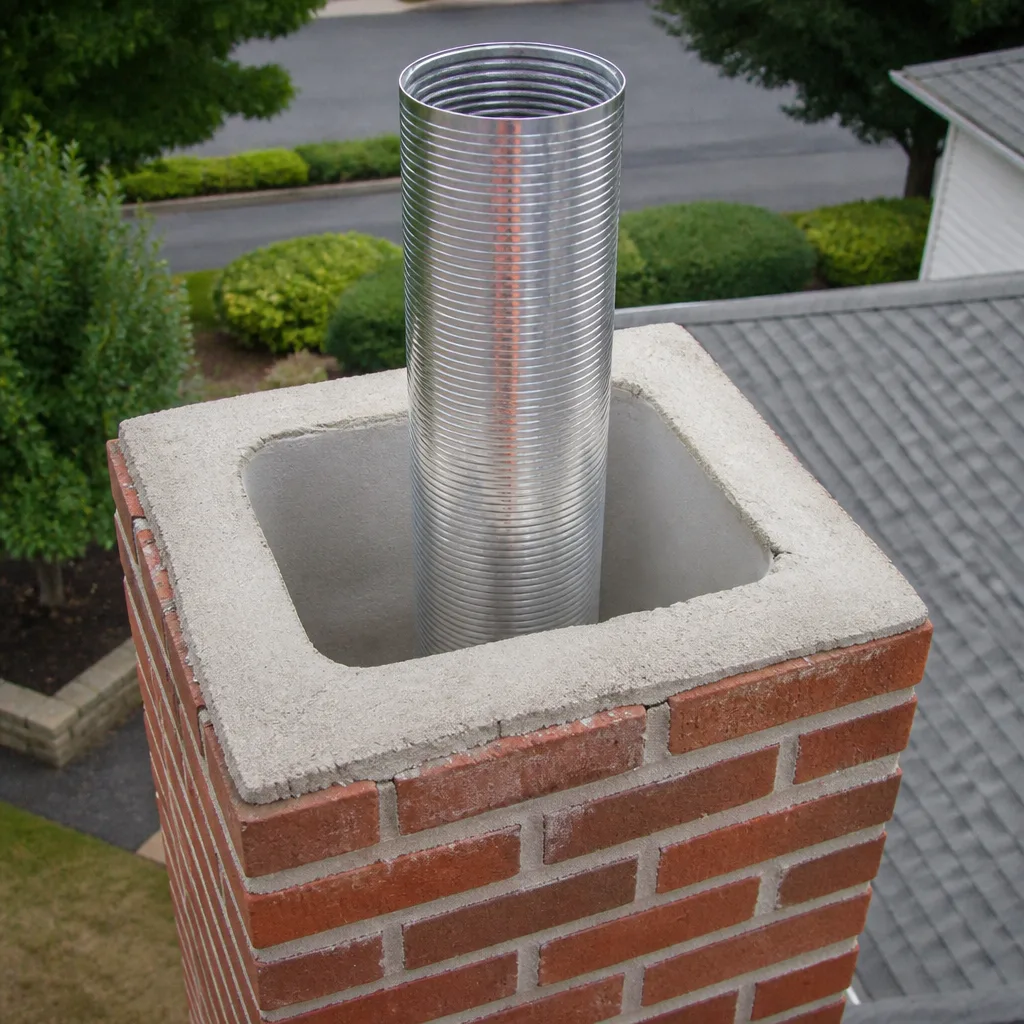
 Flue relining
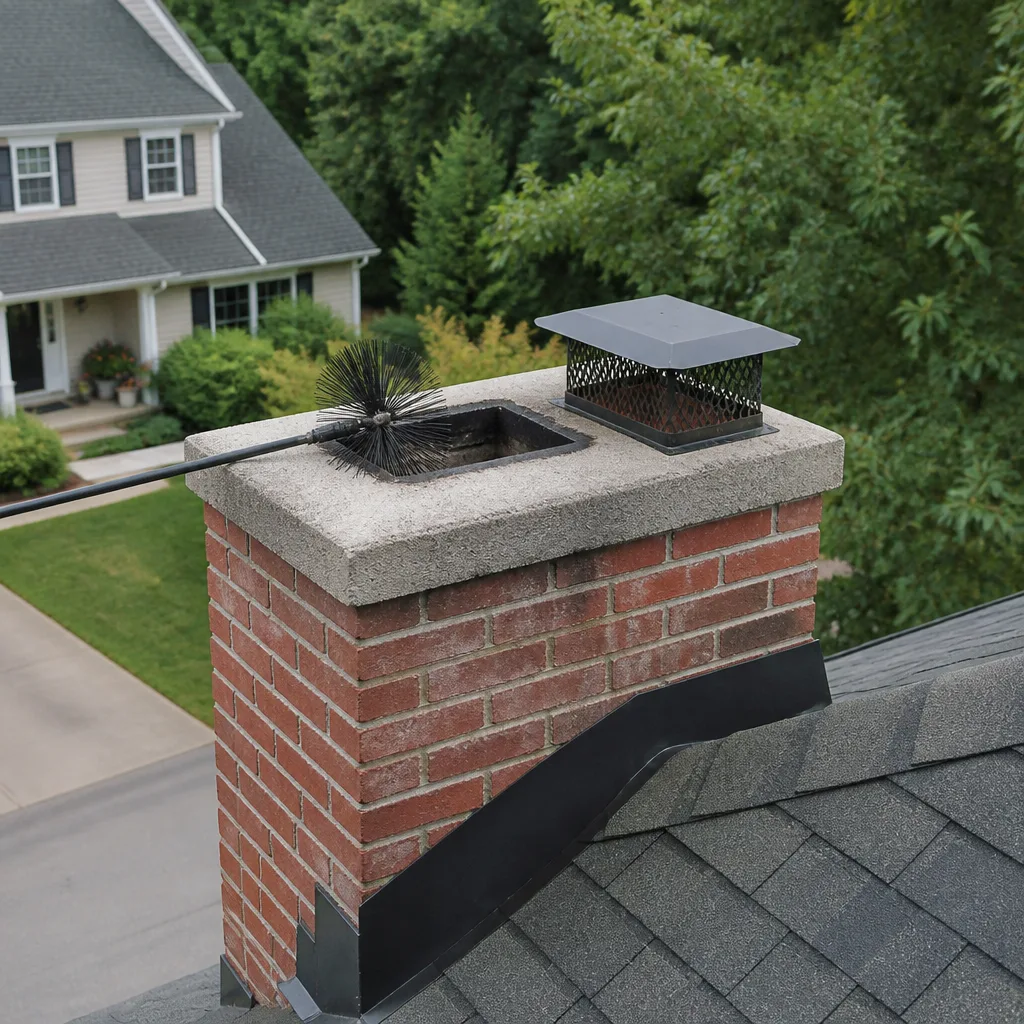 Sweep & inspection
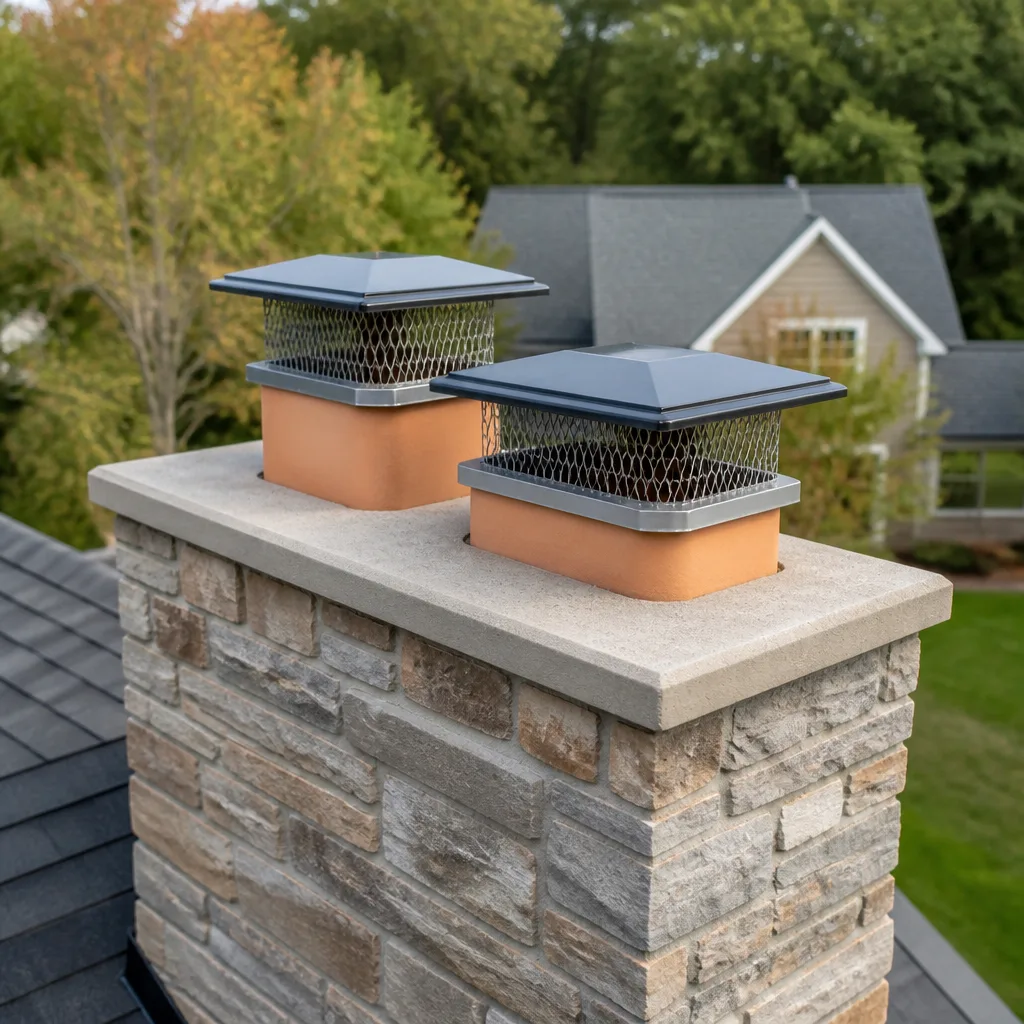 Caps & crowns
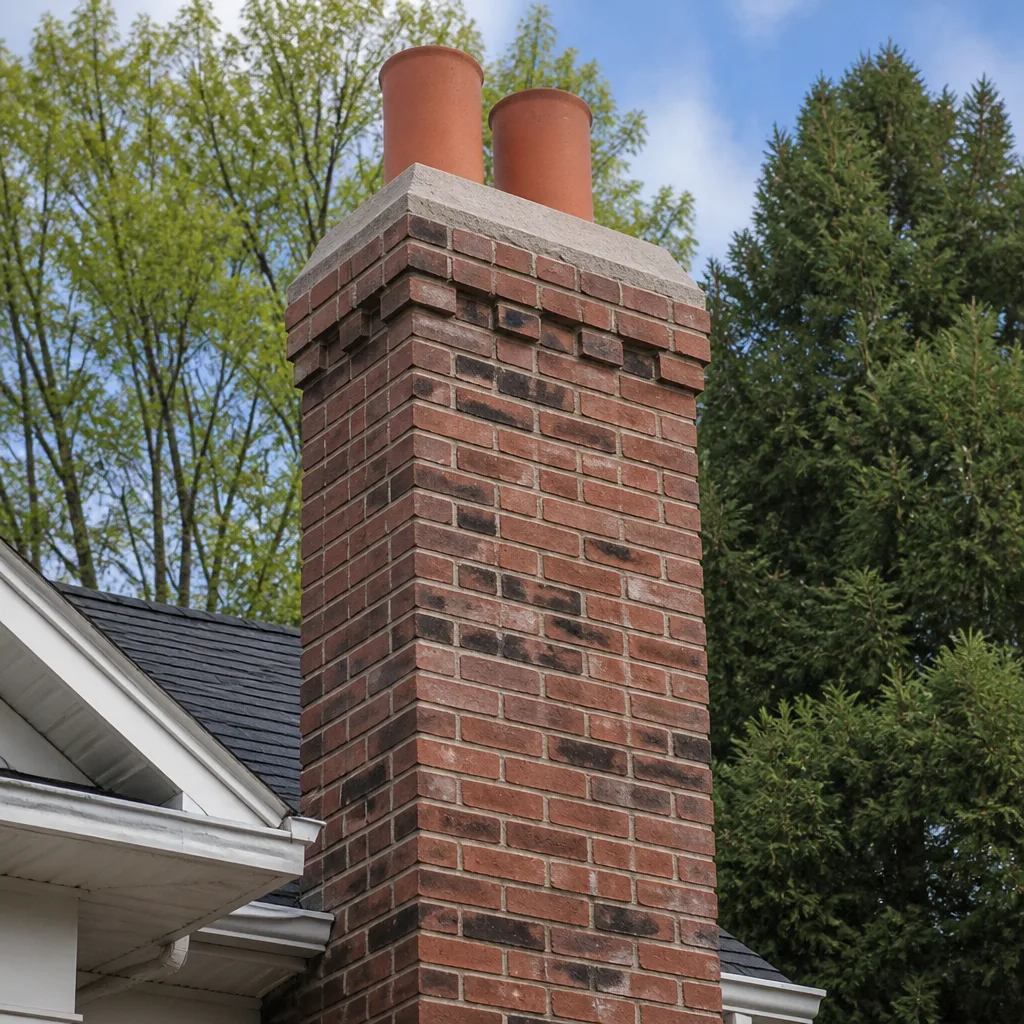 Masonry repair
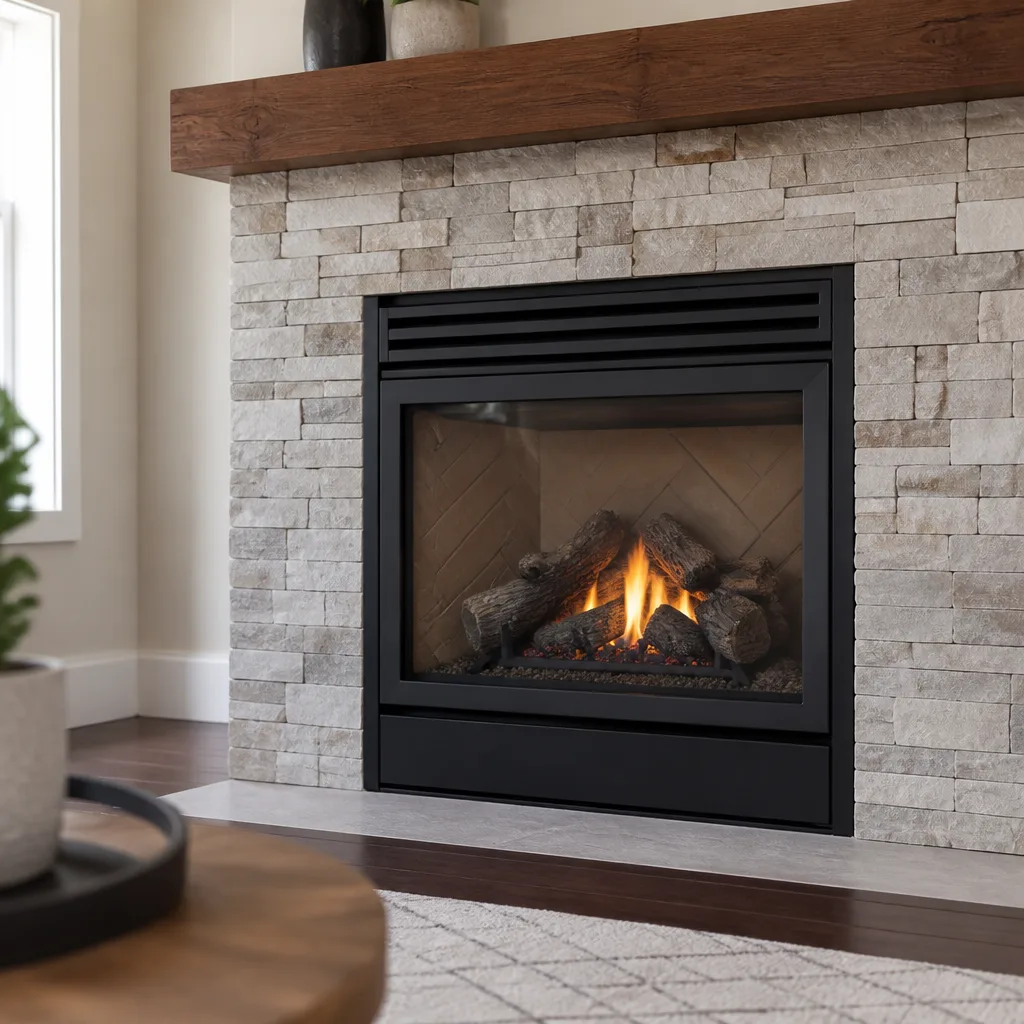 Gas fireplace service
Level 1 sweep and inspection to the NFPA 211 annual standard - flue, crown, cap, and flashing checked and photographed
Chimney sweep logs do not sweep chimneys. They loosen some creosote - which then falls where a brush and vacuum still have to collect it.
Famco Flue Liner Replacement: The Sacramento Owner’s Guide
If you own a Famco flue liner and it’s cracking, separating at the seams, or showing rust-through, we stock Famco-compatible replacement liners and can typically install one in a single visit. Most Famco flue liner replacements in Sacramento run between $900 and $2,400 installed, depending on the diameter, length, and whether the existing liner comes out cleanly or fights us on the way. Owners usually discover the problem during a routine sweep when we run the camera up and find a seam that’s begun to open, or after noticing rust flakes at the base of the chimney.
A Famco liner is a rigid stainless steel pipe that runs the full length of your flue, carrying smoke and combustion gases from the fireplace or stove up and out of the house. When it fails, it fails slowly at first: a pinhole here, a corroded seam there. By the time you see visible damage, it’s been working harder than it should for a while. Danny Cortes has pulled enough of these out of Sacramento chimneys to know the failure patterns by heart, and we’ll show you the camera footage before we recommend anything.
Key takeaways:
- We stock Famco-compatible rigid and flexible replacement liners in the most common Sacramento diameters
- Installed cost typically runs $900 to $2,400, with a written price before we touch the job
- Every replacement is backed by the 365-Day Done Right Promise
- We are an independent service provider, not affiliated with Famco
Which Famco Models This Applies To
Famco has manufactured rigid stainless steel chimney liners for decades, and the model lines most Sacramento homes have fall into two camps: the standard .005-inch thick 304 stainless liners used with wood stoves and zero-clearance fireplaces, and the heavier .006-inch thick 316L alloy liners built for higher-temperature or corrosive exhaust. The 316L version matters in Sacramento because it holds up better against the acidic condensation that forms during our damp winter burn cycles. If your liner is stamped 316L, you have the better stock, and we’ll match it when we replace it.
Identifying your exact Famco part usually means checking two things: the diameter, which is stamped on the liner itself and typically runs 5.5, 6, 7, or 8 inches for most residential installs, and the connection style. Famco liners use a twist-lock or crimped male-to-female joint system depending on the era, and mixing an aftermarket liner with a mismatched joint profile is a common install mistake. We measure on-site and match the replacement to the existing connections, so you don’t end up with a liner that fits the flue but won’t seal at the appliance collar.
One thing we hear often: “Can’t you just use the aftermarket stuff?” For Famco specifically, aftermarket equivalents are generally fine when they match the alloy and diameter, but the critical part is the gauge. Cheaper substitutes are often .004-inch thick or less, and in Sacramento’s heating season, that thinner metal expands and contracts more aggressively against the mortar and framing. It’s a false economy. We’ll show you the difference in hand before you decide.
Styles & brands we work with
Signs Your Famco Flue Liner Replacement Is Failing
- Rust flakes or discolored metal at the cleanout or firebox. Stainless steel doesn’t rust the way mild steel does, but it does corrode under sustained heat and moisture. If you’re finding reddish-brown flakes where the liner meets the appliance, the liner wall is thinning and will continue to do so.
- Visible seam separation during a camera inspection. This is the one we catch most often. A Famco liner’s locked seams can begin to separate after years of thermal cycling, and a separated seam means combustion gases are no longer contained in the flue. We show you the footage so you can see the gap yourself.
- A smell of smoke or soot in the house during or after a fire. When a liner develops holes or open seams, the draft weakens and smoke can spill back into the living space. This is not a draft problem in most cases. It’s a liner problem.
- White or gray staining on the exterior brick near the chimney crown. Moisture and flue gases escaping through a failed liner can wick through masonry and leave mineral deposits on the outside of the chimney. In Sacramento’s wet winters, this shows up more than people expect.
- Sudden, unexplained draft changes. If your fireplace used to pull cleanly and now smokes or backdrafts on certain days, the flue may have developed an obstruction or a structural break. A camera inspection tells us within minutes whether the liner is the culprit.
See the difference
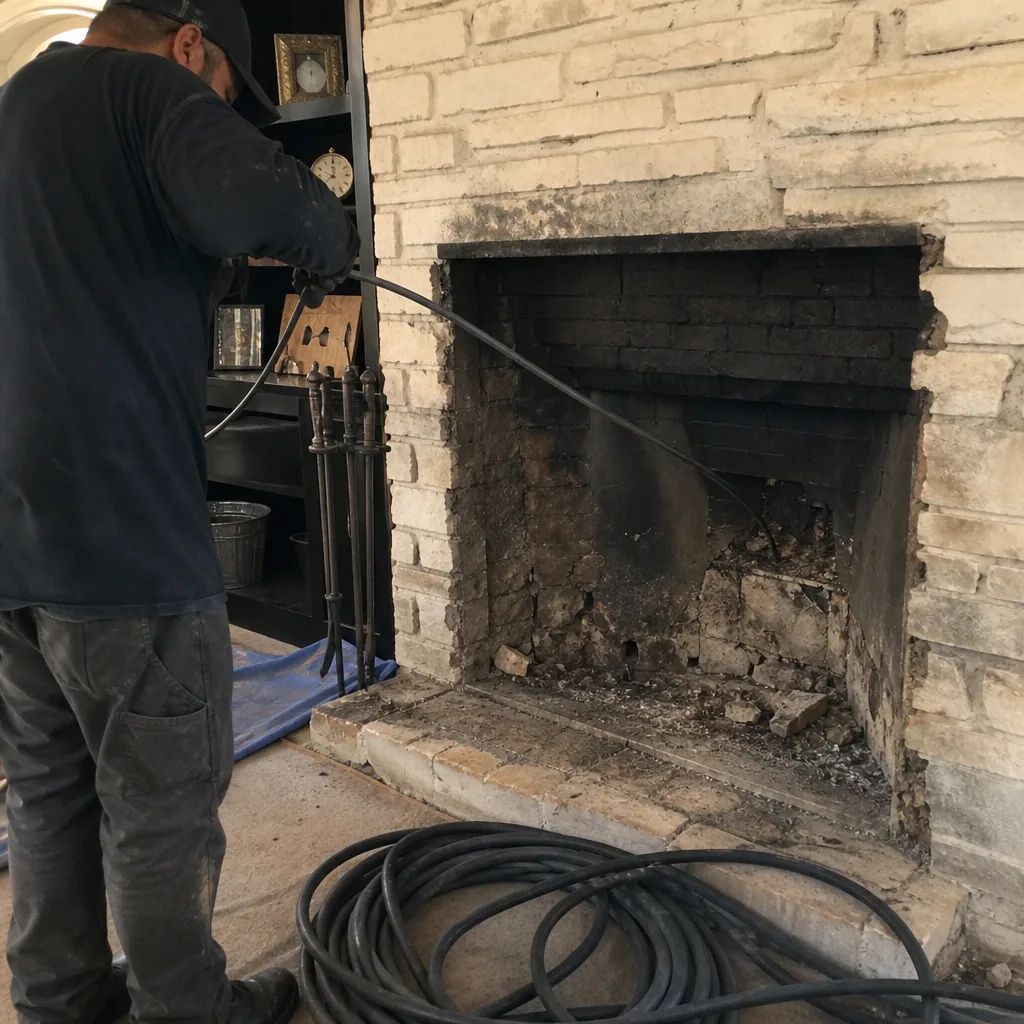 Before
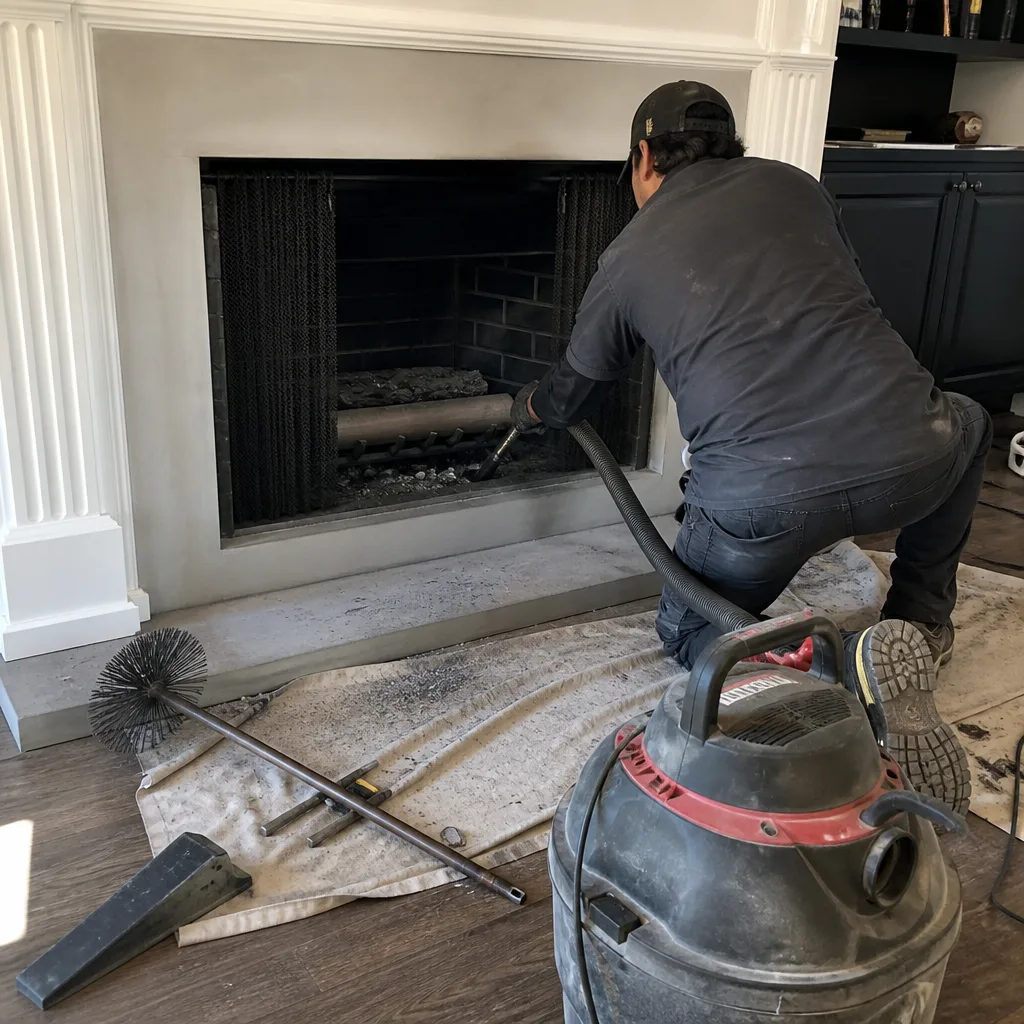 After
After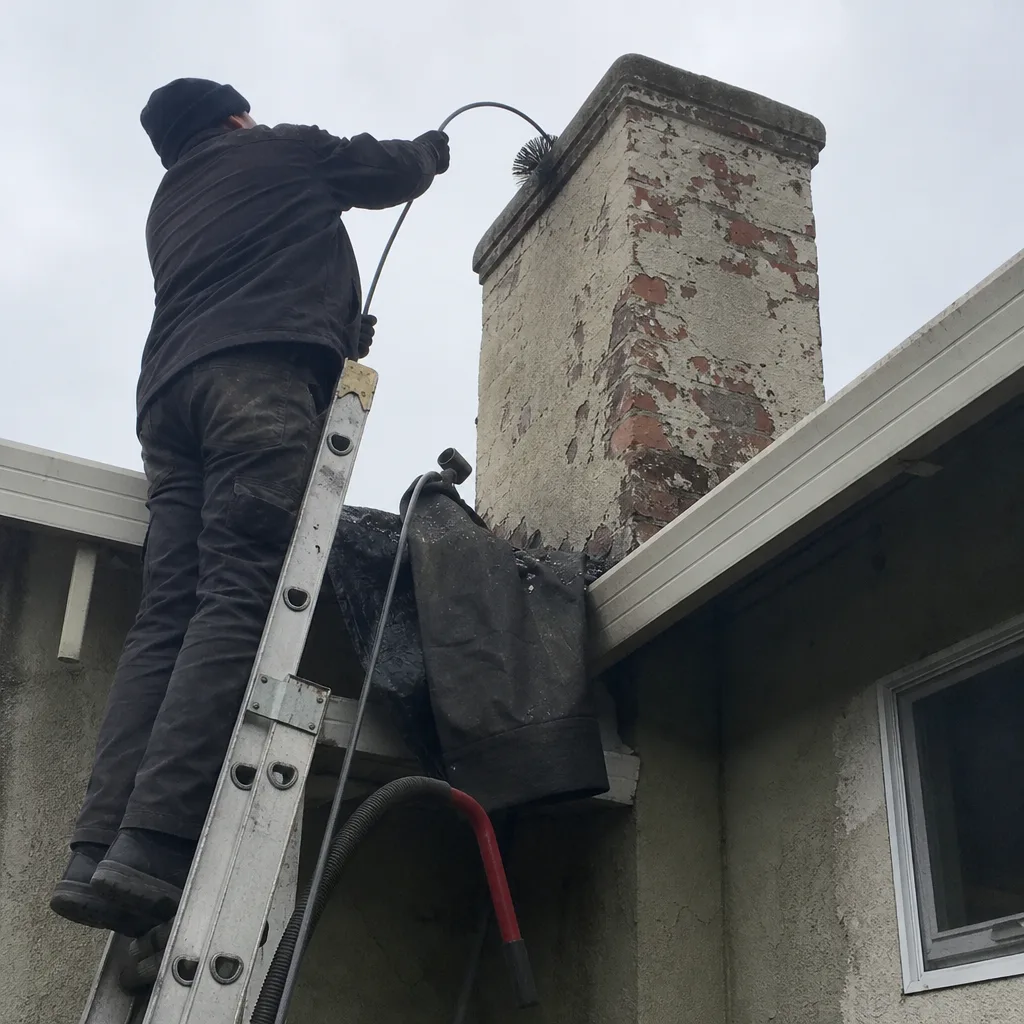 Before
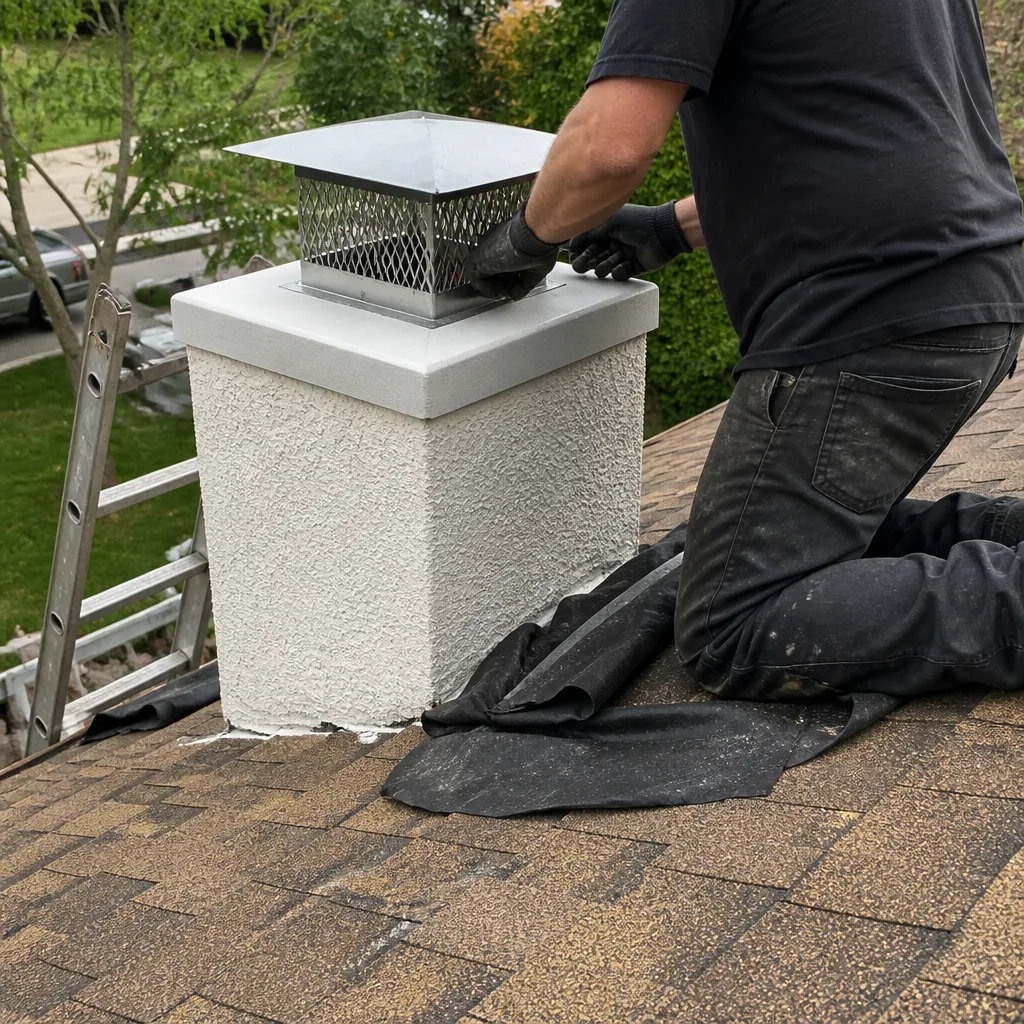 After
After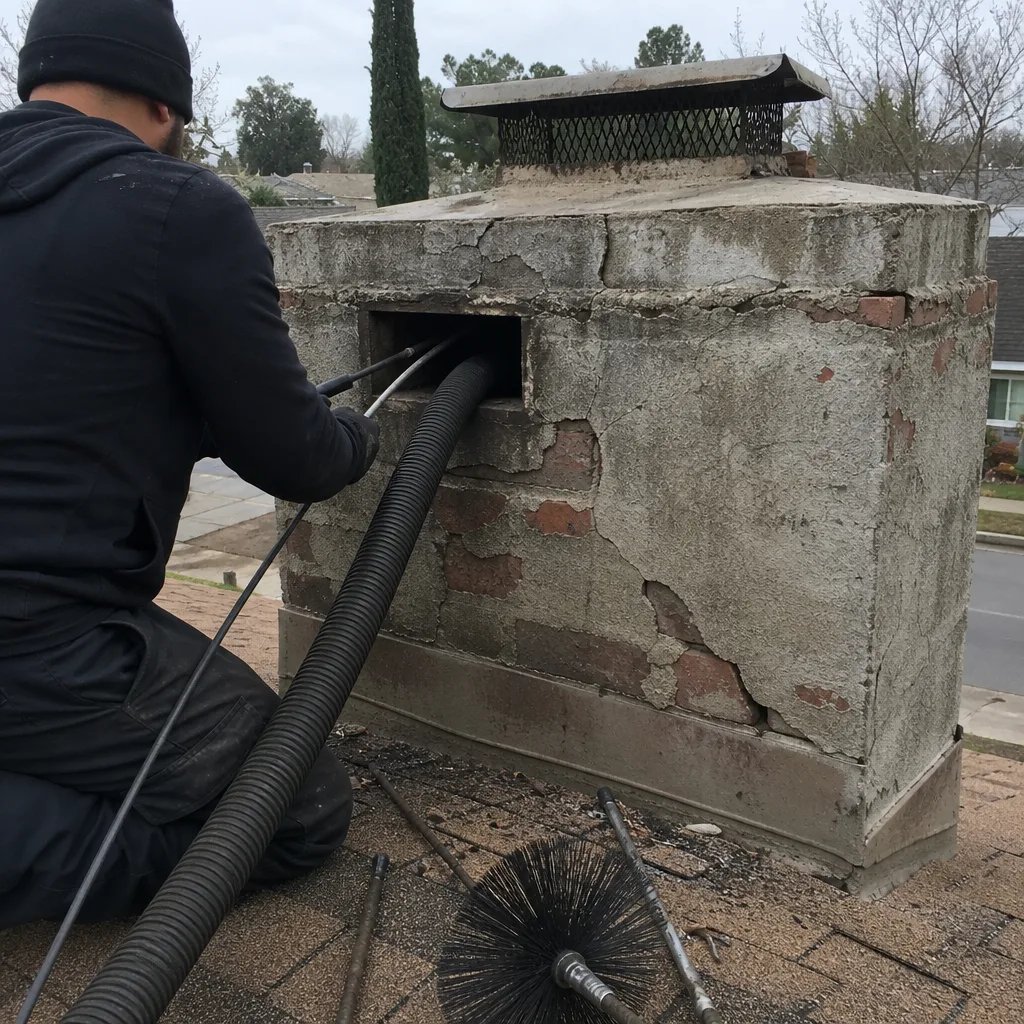 Before
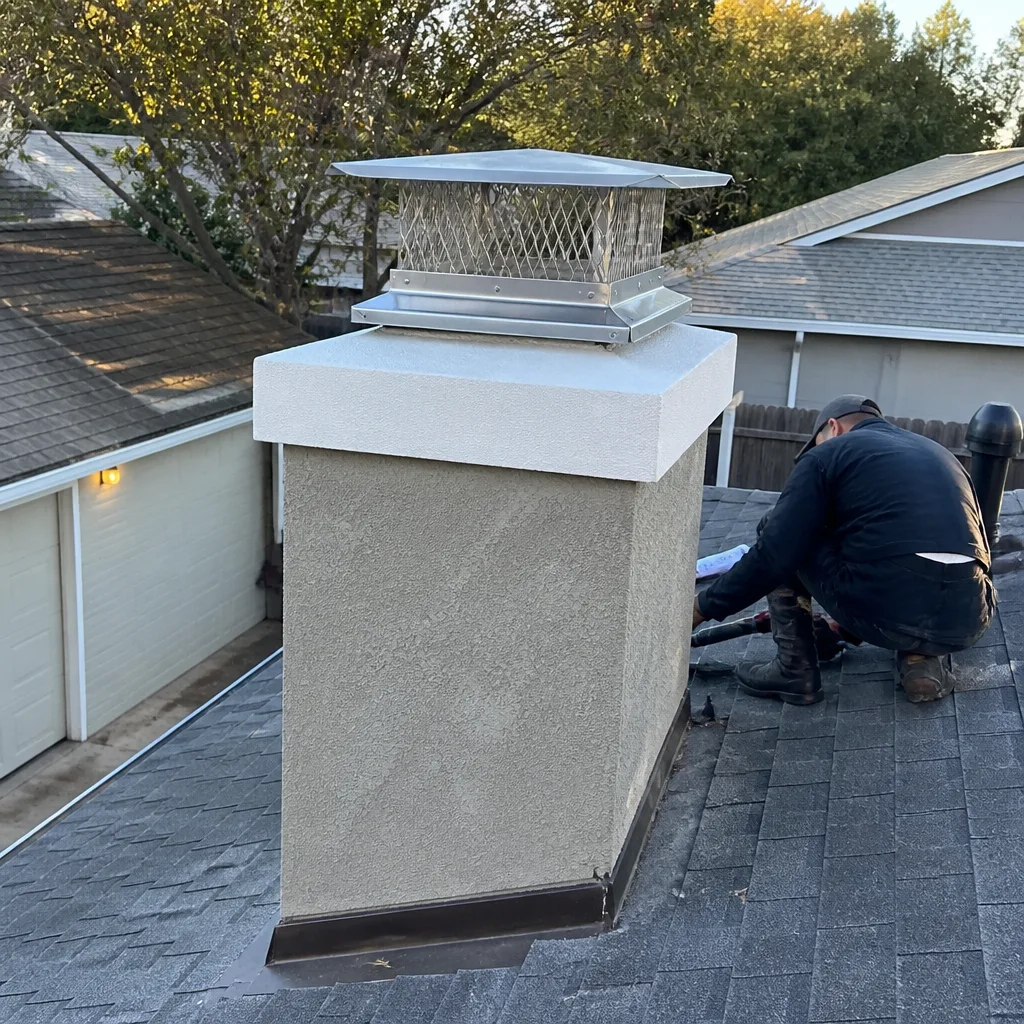 After
AfterReplacement Cost & What’s Included
For a straight Famco flue liner replacement in Sacramento, you’re looking at $900 to $1,800 for most single-story homes with standard 6-inch liners and straightforward access. Two-story homes, longer runs, or liners that have to be extracted in pieces push the range to $2,000 to $2,400. What drives the price is rarely the liner itself. It’s access, removal of the old liner, and the condition of the surrounding masonry and crown.
| Job component | Typical Sacramento range |
|---|---|
| Famco-compatible liner (6-inch, per foot installed) | $38 – $55 |
| Removal of old liner and disposal | $150 – $350 |
| Appliance collar connection and sealing | $80 – $160 |
| Crown repair (if required for proper cap seating) | $200 – $700 |
| Full single-story replacement (parts + labor) | $900 – $1,800 |
Every quote we write includes the liner, labor, disposal, and the connection work in one number that doesn’t change unless we uncover something structural we couldn’t see from the ground. That’s the Cedarwell Care Promise: a written price before work begins, shoe covers and drop cloths down on arrival, and a photo of the clean-up before we leave. No surprises at the door, and no family in Sacramento should have to wonder what the bill will be at the end of the day.
DIY or Call Us?
Here’s what’s safe to do yourself: check the cleanout door for rust flakes, note any smoke smells during burns, and take a flashlight to the firebox to look for obvious corrosion at the liner base. That’s good information to bring to a sweep or inspection.
Installing or replacing a flue liner is not a weekend project. You’re working at height, handling a rigid metal tube through a masonry chase, and making a connection that must seal combustion gases completely. If the liner is seated wrong, if the gauge is too thin, or if the cap doesn’t fit the crown properly, you’ve created a carbon monoxide pathway that works against your family rather than for them. The savings disappear the moment you need a second visit to fix the first one. Call us at (279) 243-2173 and we’ll measure, quote, and install with the 365-Day Done Right Promise behind it. You don’t need to own the problem. You just need to point at it.
FAQs
A properly installed Famco or Famco-compatible liner in Sacramento’s climate typically lasts 15 to 25 years, with the shorter end applying to wood-burning fireplaces used heavily each winter. The damp, cool burn cycles we get in the Sacramento Valley, particularly from November through February, create more acidic condensation than dryer climates, which accelerates corrosion. Annual or biannual camera inspections catch liner thinning before it becomes a full replacement.
In most cases, no. If the damage is a small pinhole or a single failing seam in an otherwise sound liner, a patch may extend the liner’s life by a season or two, but patches on rigid stainless steel liners are temporary by nature. The metal continues to expand and contract around the patch, and the surrounding area is usually thinner too. We’ll show you exactly what we’re seeing on camera before recommending anything, and we won’t recommend a patch if we don’t think it’ll hold. Call (279) 243-2173 for an honest assessment.
A standard single-story Famco flue liner replacement in Sacramento takes one day, typically four to six hours from setup to final clean-up photo. Two-story homes or liners that come out in pieces add time, and masonry repairs at the crown can push the job into a second day. We book the work around your schedule and never rush the sealing or connection work.
Yes. We keep Famco-compatible rigid and flexible liners in 5.5, 6, 7, and 8-inch diameters on the truck, along with matching appliance collars, caps, and the sealing materials we use for every install. For less common sizes, we source directly within a few days. We also work with DuraFlex, HeatShield, and Gelco parts where those are the better fit for the job, but if your home has a Famco liner, we match it.
If you’ve got a Famco liner that’s showing its age, or you just want a second set of eyes on what the last inspection flagged, call (279) 243-2173. A live person answers, 24 hours a day, seven days a week. We’ll book a sweep and camera inspection, show you exactly what the flue looks like inside, and quote the replacement with a written price before any work begins. A clean flue isn’t a luxury. It’s just what a working fireplace actually is.
Written by Danny Cortes, Owner, Kindling Chimney Sacramento at Kindling Chimney Sacramento, serving Sacramento and nearby areas.