
Last updated October 15, 2026
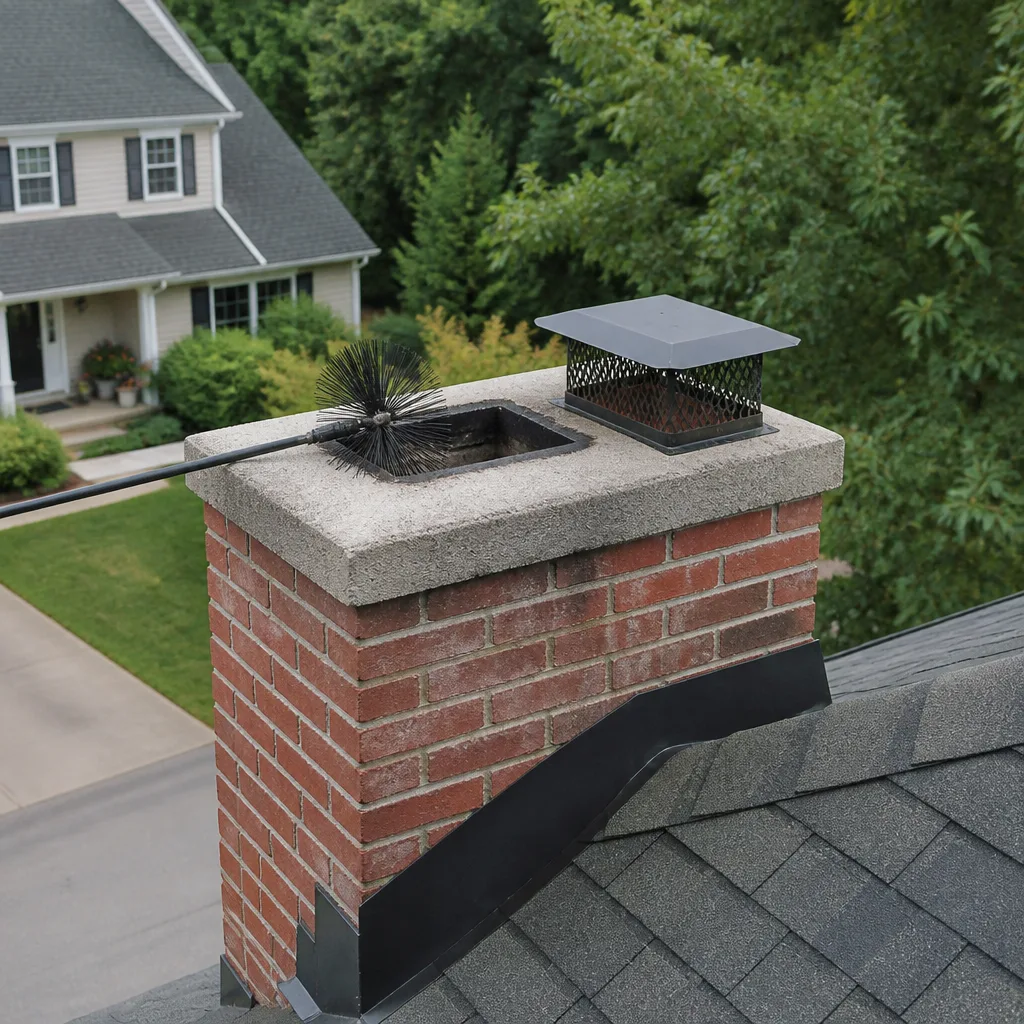 Sweep & inspection
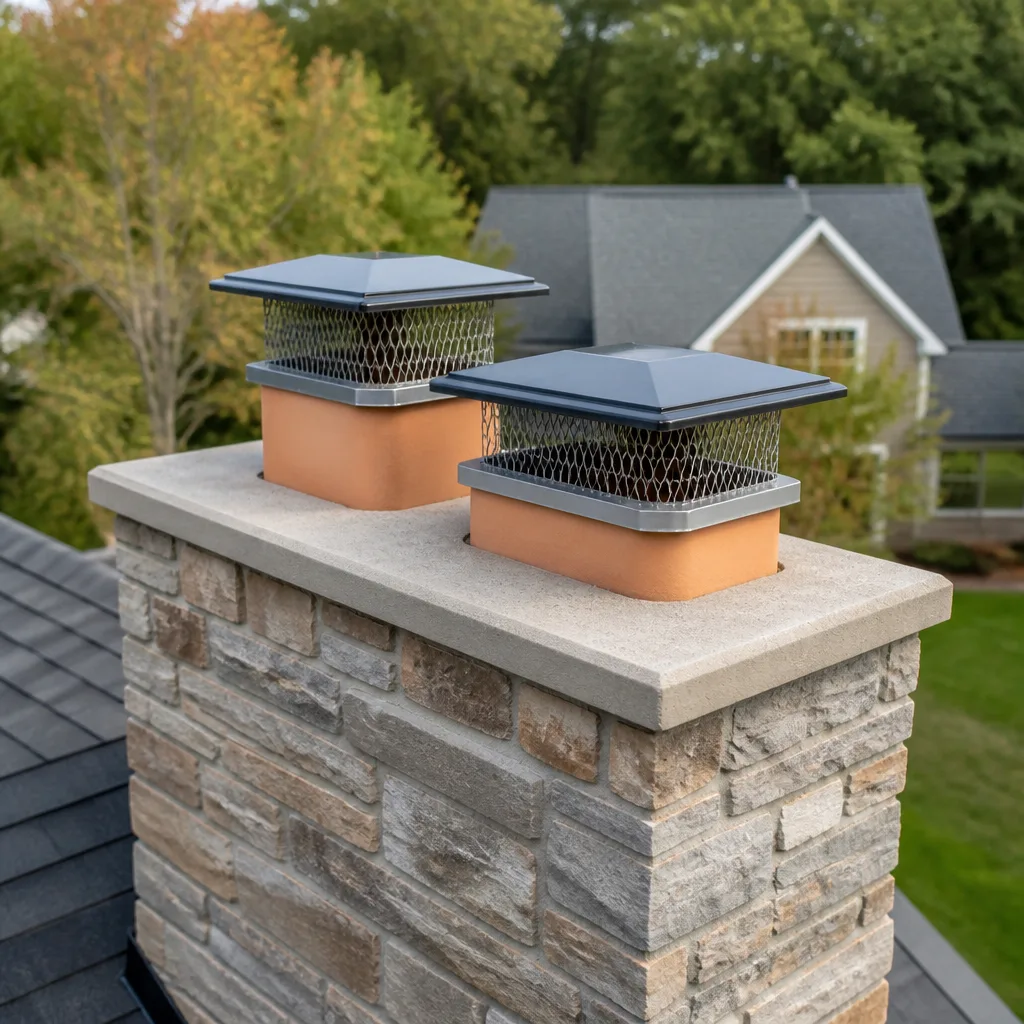 Caps & crowns
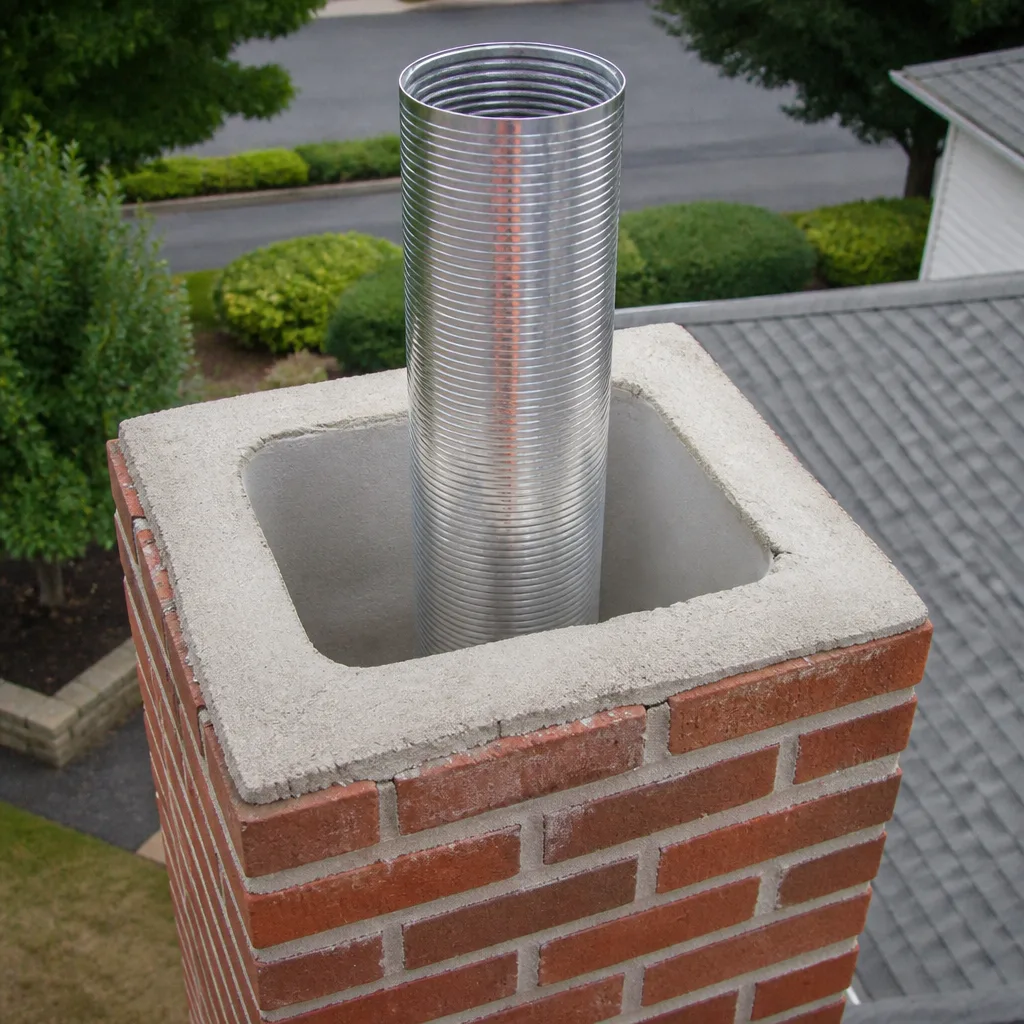 Flue relining
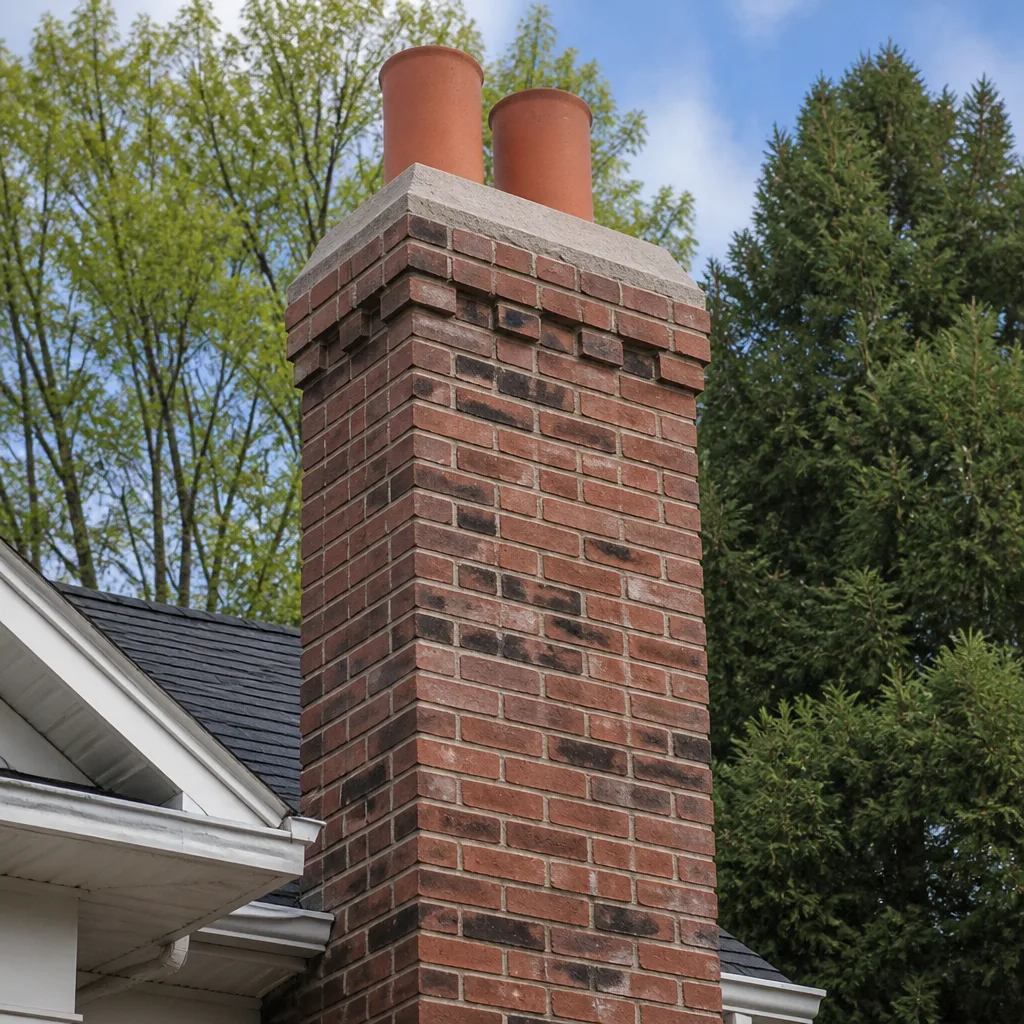 Masonry repair
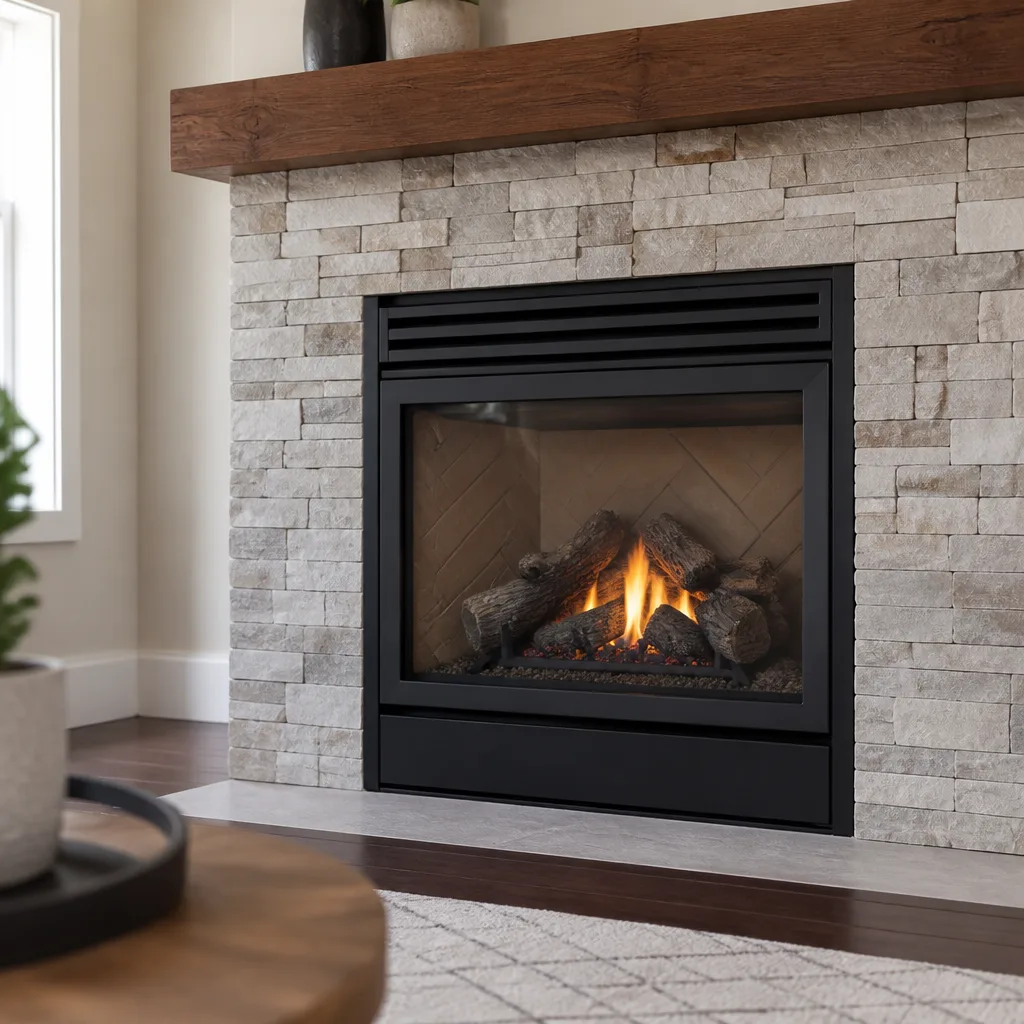 Gas fireplace service
Level 1 sweep and inspection to the NFPA 211 annual standard - flue, crown, cap, and flashing checked and photographed
Chimney sweep logs do not sweep chimneys. They loosen some creosote - which then falls where a brush and vacuum still have to collect it.
The Complete Guide to Chimney Cleaning in Sacramento
A chimney only needs one-eighth of an inch of glazed creosote to sustain a fire hot enough to crack a flue liner. That’s thinner than two stacked pennies. And here’s what surprises most Sacramento homeowners: the people who light fires just 20 or 30 times between November and February are often the ones carrying the most dangerous creosote loads, because low-temperature, short-duration fires produce residue faster than hot, roaring ones. This guide explains why Sacramento’s mild burn season creates a false sense of security, what actually builds up inside your flue, and exactly what a thorough chimney cleaning in Sacramento should include, cost, and protect. For more guides & resources, visit our blog.
Styles & brands we work with
Quick Answer
Chimney cleaning in Sacramento typically costs between $189 and $329 for a standard sweep with a Level 1 visual inspection, depending on flue size, creosote stage, and accessibility. Most homes with regular fireplace use need a sweep every 1 to 2 years, even in Sacramento’s short burn season, because low-use fires create the sticky, dangerous form of creosote that a quick visual check won’t catch. A proper cleaning removes creosote, soot, and blockages from the flue, smoke chamber, and firebox, and should always include shoe covers, drop cloths, and a written confirmation of price before any work begins. For help choosing who to hire, see our guide on how to hire a chimney cleaning contractor in Sacramento.
Table of Contents
- Why Sacramento’s Short Burn Season Doesn’t Mean a Cleaner Chimney
- The Three Stages of Creosote (and Which One Sacramento Homes Get)
- Level 1, Level 2, and Level 3 Inspections: What Actually Gets Checked
- How Sacramento Firewood Affects Creosote Buildup
- How Much Does Chimney Cleaning Cost in Sacramento?
- What Happens During a Kindling Chimney Sweep Visit, Step by Step
- How Often Should You Clean a Chimney in Sacramento?
- What Homeowners Can Check Themselves (and What They Shouldn’t)
- Common Mistakes to Avoid
- When to Call a Professional
- Frequently Asked Questions
- The Bottom Line
Why Sacramento’s Short Burn Season Doesn’t Mean a Cleaner Chimney
Sacramento’s fireplace season runs roughly November through February. Compare that to Tahoe or the Sierra foothills, where burn seasons stretch six or seven months, and it’s easy to think a Sacramento chimney sees half the use and therefore needs half the maintenance. That assumption is the single most common one we correct.
Here’s what actually happens. Sacramento winter evenings are cool, not cold. Homeowners build a fire at 6 p.m., enjoy it for two or three hours, then let it die out before bed. That short, moderate fire keeps the flue temperature in the 250°F to 400°F range for most of the evening. Complete combustion of wood smoke requires flue gas temperatures above roughly 600°F. Below that, the volatile compounds in the smoke condense on the flue walls as creosote instead of burning off.
Heavy-use fireplaces, like those in mountain cabins burning all day, run hot enough to burn off much of what they produce. Low-use Sacramento fireplaces produce a smaller total volume of creosote, but a higher proportion of it sticks. And the sticky, flaky creosote from low-temperature fires is exactly the kind that builds up fastest and ignites most readily.
The National Fire Protection Association’s chimney inspection in Sacramento guideline, NFPA 211, doesn’t distinguish between heavy-use and light-use fireplaces. It recommends an annual inspection and cleaning “as needed.” The “as needed” part is where Sacramento homeowners get tripped up, because a firebox can look clean while the flue above it carries a significant creosote load.
We also see seasonal timing at play. The first cold snap in November sends everyone to their fireplace at once, often before the chimney has been looked at since the previous spring. That’s why October and early November are the busiest months for chimney cleaning in Sacramento. Booking before the first fire is the simplest way to avoid the rush, and it means the first cold evening is spent in front of a fire, not waiting on a service call.
The Three Stages of Creosote (and Which One Sacramento Homes Get)
Creosote is not one substance. It forms in three distinct stages, and each requires a different approach to remove. Understanding which stage your chimney carries is the difference between a simple sweep and a more involved removal process.
Stage 1: Flaky soot. This is powdery or flaky black residue that brushes off easily with standard sweep tools. It forms during hot, efficient fires. Many Sacramento fireplaces carry Stage 1 creosote in the upper flue, especially if the homeowner uses dry, seasoned hardwood. A standard chimney sweep in Sacramento handles Stage 1 without issue.
Stage 2: Crunchy, tar-like flakes. This forms when flue temperatures stay moderate and smoke condenses as a thicker, shiny black layer with a texture like granulated sugar that’s begun to melt. Stage 2 is extremely common in Sacramento fireplaces because of the short-burn pattern described above. It requires more aggressive mechanical brushing, often with rotary loops or stiff wire brushes. A standard sweep can usually remove Stage 2 creosote, but it takes more passes and more time.
Stage 3: Glazed or tarlike creosote. This is the dangerous one. Stage 3 creosote looks like a dark, glossy coating, often with a dripped-candle appearance. It’s dense, it’s fuel-rich, and it burns ferociously once ignited. Mechanical brushing cannot reliably remove Stage 3 creosote. It typically requires chemical treatment, often a product applied over multiple visits to break down the glaze before brushing, or in severe cases, removal with specialized tools. A flue carrying one-eighth of an inch of Stage 3 glazed creosote has enough fuel for a chimney fire.
The uncomfortable truth is that Sacramento’s burn pattern, short and moderate, skews toward Stage 2 and early Stage 3 buildup. It’s not how many fires you light. It’s how hot they burn. Two dozen lukewarm fires a season can produce a flue coating that twenty sweeps couldn’t envy.
Level 1, Level 2, and Level 3 Inspections: What Actually Gets Checked
Chimney inspections are standardized by the Chimney Safety Institute of America into three levels. Each level answers a different question, and knowing which one you need prevents paying for either too little or too much.
Level 1 Inspection: This is the inspection included with most standard chimney cleanings. The technician examines the readily accessible portions of the chimney interior and exterior, the firebox, and the damper. It confirms that the chimney is clear of obstructions and that the basic structure is sound. A Level 1 inspection is appropriate when the chimney has not changed since its last cleaning and the fireplace is being used the same way it always has. Most annual visits for a Sacramento fireplace fall under Level 1.
Level 2 Inspection: This goes further. It includes everything in Level 1, plus access to attic and crawl space areas, and video scanning of the flue interior with a camera. A Level 2 inspection is required by NFPA 211 whenever a property is sold or transferred, after a chimney fire, after an earthquake or weather event that may have damaged the chimney, or when the fireplace is being put into service after being unused for years. Sacramento sits in an active seismic zone, so a Level 2 inspection after any noticeable shake is a prudent step. If a real estate transaction is part of your picture, the buyer’s inspector will almost certainly require a Level 2 chimney evaluation.
Level 3 Inspection: This is reserved for cases where a Level 1 or Level 2 inspection reveals a concealed hazard that requires investigation. A Level 3 inspection involves removing building components, such as a section of chimney crown, interior wall, or flue liner, to examine the concealed interior. Level 3 inspections are rare, but they’re the only way to fully assess certain structural problems, concealed cracks in the flue, or damage behind a wall.
The practical takeaway for Sacramento homeowners: a basic “sweep” is not an inspection. If the technician hasn’t looked at the flue interior with a camera when the situation calls for it, you haven’t been inspected. Ask which level applies to your situation before booking. The answer should be specific and tied to a reason.
How Sacramento Firewood Affects Creosote Buildup
What you burn matters as much as how often you burn it. Sacramento’s firewood supply is dominated by two species: valley oak and almond wood, both abundant and affordable in the Central Valley and Sacramento Delta region.
Valley oak is a dense hardwood with high BTUs per cord. Burned well-seasoned, it’s an excellent fuel. The catch is that valley oak is slow to season. Oak cut and split in March and burned in December may still carry 30% or more internal moisture. Wet oak smolders, producing low flue temperatures and heavy smoke, which translates directly into creosote condensation. Properly seasoned oak, split and stacked in a dry, ventilated area for 12 to 24 months, burns hot and clean. The problem is that most Sacramento firewood sellers don’t hold inventory that long.
Almond wood is lighter and seasons faster than oak, often in 6 to 12 months. It burns hot and produces less smoke than wet oak, but it also burns faster, meaning you’ll feed the fire more often. Almond’s resin content is moderate, lower than pine or fir from coastal and mountain regions, which makes it friendlier to flues than softwoods. But any wood burned below 20% internal dryness creates smoke, and smoke creates creosote.
The comparison to other California woods matters. Coastal redwood and Monterey pine, common in the Bay Area, carry heavy resin loads that produce stubborn, sticky creosote quickly. Sierra lodgepole and Jeffrey pine, common among weekenders hauling wood down the hill, are also resin-rich. Sacramento’s valley oak and almond are comparatively clean-burning, which is a point in favor of local fuel. But the advantage only holds if the wood is actually dry.
A moisture meter is a forty-dollar tool that answers the question definitively. If the wood reads above 20% on a freshly split face, it needs more time. If you’re buying from a Sacramento firewood lot in November, assume it hasn’t been seasoned long enough and dry it yourself or buy a full season ahead.
How Much Does Chimney Cleaning Cost in Sacramento?
Sacramento chimney cleaning prices are more consistent than you might expect. Here’s what current local market rates look like:
| Service | Typical Price Range | What’s Included |
|---|---|---|
| Standard chimney sweep (Level 1 inspection included) | $189 – $329 | Flue brushing, smoke chamber cleaning, firebox cleanout, damper check, basic visual inspection |
| Level 2 inspection (video scan) | $249 – $499 | Full camera scan of flue interior, attic/crawl access check, exterior structure review |
| Chase cover or crown reseal | $150 – $400 | Depending on material and size of repair |
| Damper replacement | $200 – $500 | Depending on type and access |
| Flue liner repair or replacement | $1,800 – $6,000+ | Varies widely by liner type, flue height, and material. HeatShield or DuraFlex stainless liner work falls mid-range |
A few factors move the price. Very tall chimneys on two-story or three-story Sacramento homes add labor. Heavily glazed Stage 3 creosote adds time and chemical treatment. Fireplaces that haven’t been cleaned in years may require multiple passes. And if the sweep turns up a damaged liner, cracked crown, or failing damper, those repairs are separate from the cleaning.
When Kindling Chimney Sacramento books a sweep, we provide a written price before any work begins. That number covers the sweep itself and the Level 1 inspection. If the crew finds something that needs attention, a separate written quote for that work comes first, with no on-the-spot pressure and no requirement to proceed. The price you agreed to is the price you pay for the cleaning, period.
Every visit also includes the Cedarwell Care Promise: shoe covers and drop cloths go down on arrival, nothing is moved without asking, and a photo of the clean-up is taken before the crew leaves. Families with kids and pets shouldn’t have to wonder what the crew did upstairs or whether soot dust got tracked into the nursery. The photo answers that.
What Happens During a Kindling Chimney Sweep Visit, Step by Step
A predictable process matters. When our team arrives at a Sacramento home, the sequence is the same every time. Here’s what to expect:
- Arrival and floor protection. The technician parks, introduces themselves, and brings in drop cloths and equipment. Shoe covers go on before entering. Drop cloths are laid from the entry to the fireplace and beneath the work area. Furniture near the fireplace is covered unless you prefer we move it, in which case we ask first.
- Written price confirmation. Before any work starts, the technician walks you through the job and hands you a written price for the full sweep. No surprise charges, no upsell pitch at the door. The number is the number.
- Firebox and damper inspection. The technician examines the firebox, damper, and throat area. This catches obvious issues early: cracked refractory panels, a warped damper, debris from a prior season, or evidence of animals.
- Flue brushing. Using a properly sized brush for your flue dimensions, the technician sweeps the full length of the flue from the firebox or from the roof, depending on chimney configuration. For Stage 2 creosote, rotary loops or stiffer wire brushes may be used. For any early Stage 3 indications, we’ll flag it and discuss options before proceeding.
- Smoke chamber and shelf cleaning. The smoke chamber sits above the damper and below the flue. It collects creosote and soot and is the single most neglected area in a typical chimney. We brush and vacuum this area thoroughly.
- Firebox cleanout. Ash and debris are removed from the firebox. The area is vacuumed and left clean.
- Final visual review. The technician checks flue alignment, damper operation, and the chimney crown or cap where accessible. Any findings go into a written report.
- Clean-up photo. The work area is vacuumed, drop cloths are removed, and a photo is taken to confirm the home is left as found. You receive the photo along with your written report.
The whole visit typically runs 45 to 90 minutes for a standard single-flue fireplace. If we find something that needs a fireplace repair in Sacramento separate from cleaning, you’ll get a written quote and the final decision is entirely yours.
How Often Should You Clean a Chimney in Sacramento?
The standard guidance, echoed by NFPA 211 and CSIA, is to have the chimney inspected annually and cleaned as needed. In practice, most Sacramento homeowners fall into one of these patterns:
- Occasional users (fewer than 20 fires per season): A cleaning every 2 years is often sufficient, provided the wood is properly seasoned and the fires burn moderately hot. But we still recommend an annual visual check. The irony of occasional use is that it produces Stage 2 creosote quickly, so don’t assume low use means clean flue.
- Regular users (20 to 50 fires per season): Annual cleaning is the right call. This matches Sacramento’s typical burn season and ensures the creosote from the previous winter is gone before the next one starts.
- Heavy users (50+ fires per season, or anyone burning unseasoned wood): You may need a mid-season cleaning or at minimum a camera check in January to verify creosote isn’t accumulating faster than expected.
- New homeowners: Clean and inspect before the first fire. You have no way of knowing how the previous owner used the fireplace or what condition the flue is in. A Level 2 inspection with a camera is the right first step here, not a standard sweep.
Sacramento’s burn season is short, but it’s followed by a long dry season. Creosote left sitting through a Sacramento summer doesn’t disappear. It hardens, sometimes to glazed Stage 3, and becomes harder to remove the next fall. Cleaning in the spring after the last fire, or in the fall before the first, are both common. Spring cleaning has the advantage of leaving the chimney clean and ready, plus vendors tend to have more availability. Fall is busier, but it aligns with the moment homeowners actually think about the fireplace.
What Homeowners Can Check Themselves (and What They Shouldn’t)
There are a few simple checks any Sacramento homeowner can do without special equipment or training. These are not substitutes for a professional Kindling Chimney Sacramento home visit, but they help you know when to call.
What you can safely check:
- Look up from the firebox with a flashlight. You may see flaky black residue on the flue walls. If it’s shiny, tarlike, or glazed-looking, that’s a sign of Stage 3 creosote and a professional is needed.
- Check the firebox for cracks in the brick or refractory panels. Hairline cracks are normal with age, but gaps that expose the metal firebox shell or allow heat to reach framing should be evaluated.
- Open and close the damper. It should move smoothly and seat fully. A stuck or rusted damper is a common Sacramento issue after a rainy winter seeps down an uncapped chimney.
- Check for debris on the roof around the chimney. Leaves, nesting material, or a missing chimney cap are all red flags. Sacramento’s tree canopy drops a lot of material onto roofs in the fall.
- Sniff the fireplace on a humid day. A strong smoky or musty odor when the fireplace hasn’t been used often indicates creosote buildup or water intrusion.
What you should not attempt:
We don’t recommend DIY sweeping. A proper chimney brush costs less than a cleaning visit, but the risk isn’t the brush. It’s the ladder work, roof access, and the inability to see what you’re doing inside the flue. Sacramento roof pitches vary widely, from flat modern homes in Natomas to steep older homes in Land Park and Curtis Park. Wet tile roofs are slick. And a do-it-yourselfer on a roof cannot verify whether the creosote was actually removed or whether the flue has a hidden crack. The most valuable part of a professional sweep isn’t the brushing, it’s the trained eye and the camera.
Also: if you’ve seen evidence of animals, don’t attempt removal yourself. Raccoons, squirrels, and birds nest in Sacramento chimneys regularly, and the droppings can carry pathogens. A professional will remove the nest and the animal handling is done safely.
Common Mistakes to Avoid
- Assuming a short burn season means a clean chimney. Sacramento’s low-use pattern creates Stage 2 creosote faster than a heavy-use pattern. A firebox that looks fine can hide a flue that isn’t.
- Burning unseasoned valley oak. Wet oak is the most common firewood mistake we see in Sacramento. Oak needs 12 to 24 months to season, and most firewood lots sell it far younger. Buy ahead or verify with a moisture meter.
- Skipping the smoke chamber. Some discount sweeps brush the flue but leave the smoke chamber untouched. The smoke chamber carries creosote too, and an ignored chamber can hold a fire just as well as a dirty flue.
- Booked a sweep without asking if it includes an inspection. A “sweep” isn’t standardized. Ask whether the price includes a Level 1 inspection and whether the technician is trained to identify flue damage, not just brush soot.
- Waiting until the first cold snap to book. November in Sacramento is a three-week bottleneck for chimney companies. Book in September or October and you’ll have your pick of dates before the season rush.
- Ignoring a missing or damaged chimney cap. An uncapped chimney in Sacramento invites rain, leaves, and animals. The cap is a hundred-dollar component that protects a multi-thousand-dollar flue.
- Choosing the lowest bid without checking what it excludes. If one Sacramento chimney company quotes $99 and another quotes $229, ask what the first one excludes. A $99 sweep usually means it excludes the smoke chamber, the firebox, the inspection, or the floor protection. There’s always a reason.
When to Call a Professional
Call a chimney professional when you notice a strong smoky odor without a fire, when you see shiny or glazed creosote inside the flue, when the damper won’t operate, when water is dripping or staining around the fireplace, or when you haven’t had the chimney looked at in more than two years. If you’ve bought a home in Sacramento with an existing fireplace, call before the first burn. If there’s been an earthquake, a roof replacement, or any structural work near the chimney, call. Kindling Chimney Sacramento offers free estimates in Sacramento – call (279) 243-2173 and a live person will answer, any hour, any day.
Frequently Asked Questions
A standard chimney sweep in Sacramento costs between $189 and $329 for most single-flue fireplaces, including a Level 1 inspection. Larger chimneys, heavy creosote buildup, and additional repairs raise the price. We provide a written price before any work begins, so the number you agree to is the number you pay. Call (279) 243-2173 for an exact quote – estimates are free.
A flue liner should be replaced when it’s cracked, spalling, or no longer contains the flue gases safely. Not every recommendation is valid, which is why we don’t make one without camera evidence you can see for yourself. If the liner is intact and the flue is clean, we’ll tell you that plainly and tell you what to watch for. When a liner does need work, options like HeatShield resurfacing or a stainless DuraFlex liner are priced before we begin.
Sweep your chimney every year if you burn 20 or more fires per season, which describes many Sacramento homes. Occasional users can often go two years between sweeps if they burn seasoned wood, but an annual visual check is still wise. The specific answer depends on your burn pattern and the wood you use.
Skipping a cleaning allows creosote to accumulate. Over multiple seasons, creosote can harden into the glazed Stage 3 form, which burns hot enough to crack a flue liner. It also increases the chance of a chimney fire and can force smoke and carbon monoxide back into the home if the flue narrows enough. The risk isn’t immediate, but it compounds every season. Call (279) 243-2173 to schedule a sweep and put the question to rest.
Chimney cleaning does not require a permit in Sacramento. Repairs that involve structural changes, such as rebuilding a chimney crown or replacing a firebox, may require a permit from the City of Sacramento Building Division. A reputable chimney company will tell you when a permit applies rather than skipping it.
Yes. Kindling Chimney Sacramento uses pet-safe products where there is a choice. We also follow the C.A.R.E. values on every visit: shoe covers and drop cloths go down on arrival, nothing is moved without asking, and the work area is left clean with a photo to confirm it. If kids or animals are in the house, let us know and we’ll keep tools quiet when the kids are asleep.
The Bottom Line
Sacramento’s mild winters create a false sense of security for fireplace owners. Burn 20 or 30 fires a season and you’ll accumulate enough creosote to matter, even if the firebox looks clean. The fix is simple: an annual inspection, a cleaning when it’s needed, and dry wood. The cost is modest, the process is predictable, and the alternative compounds every year you skip. Kindling Chimney Sacramento brings a written price, floor protection, and a clean-up photo to every job – so families with kids and pets know exactly what to expect before the crew arrives and after they leave. Call (279) 243-2173 for a free estimate, and let’s make sure your chimney is ready for the next burn.
Written by Danny Cortes, Owner at Kindling Chimney Sacramento, serving Sacramento since 2003.
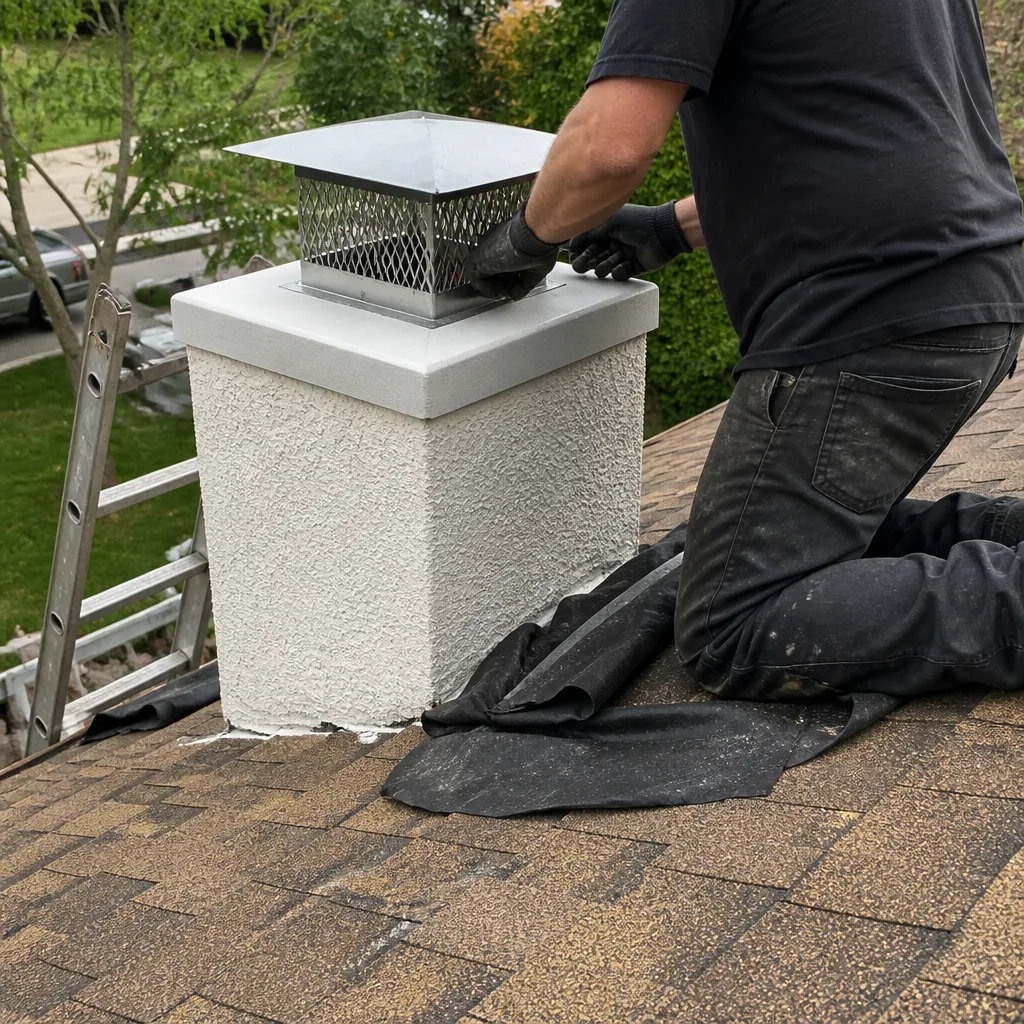
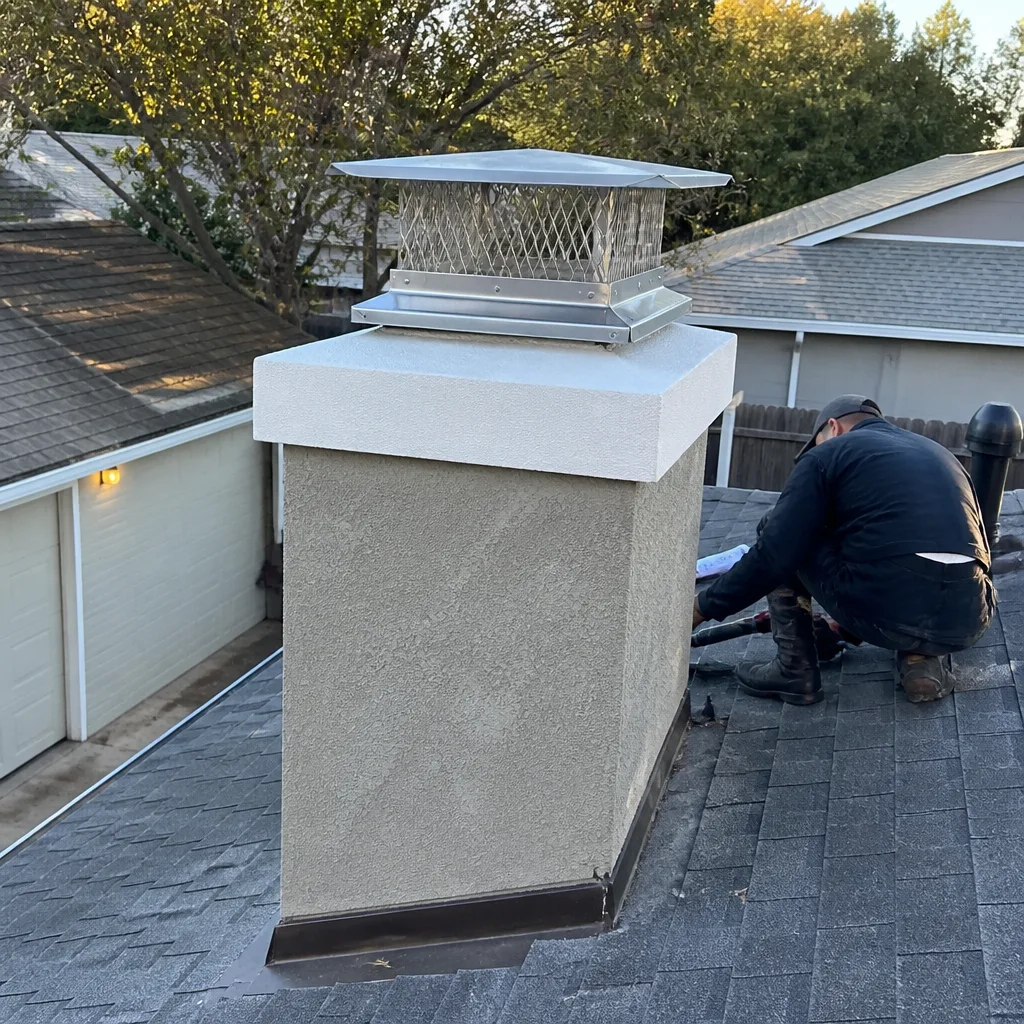
See the difference
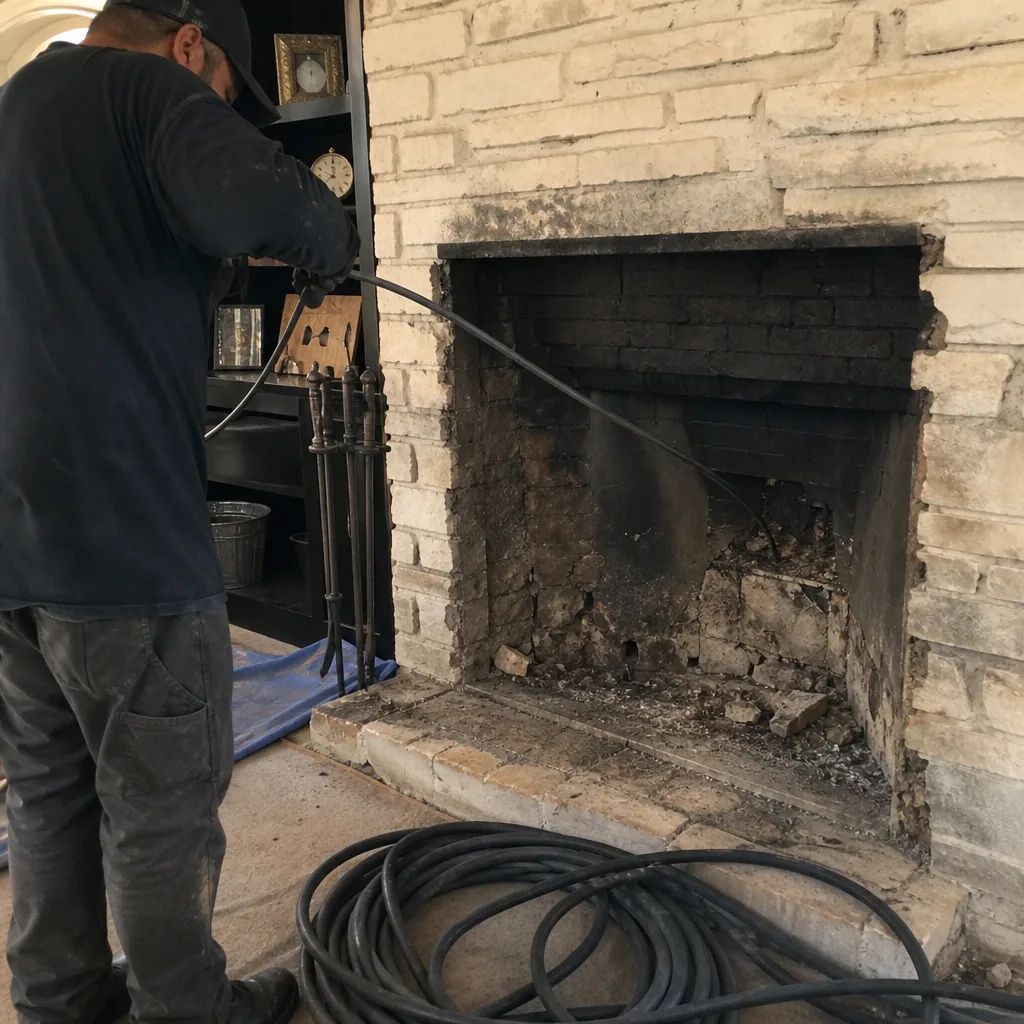 Before
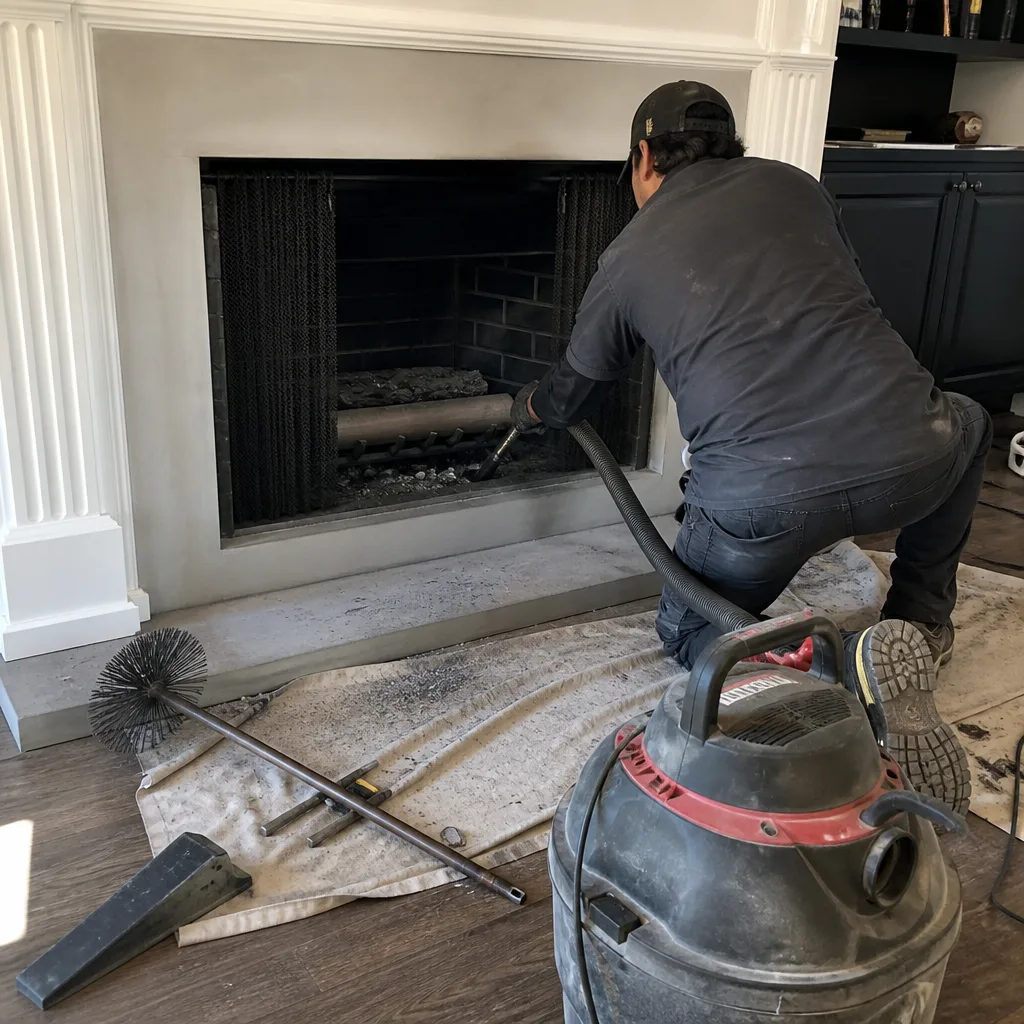 After
After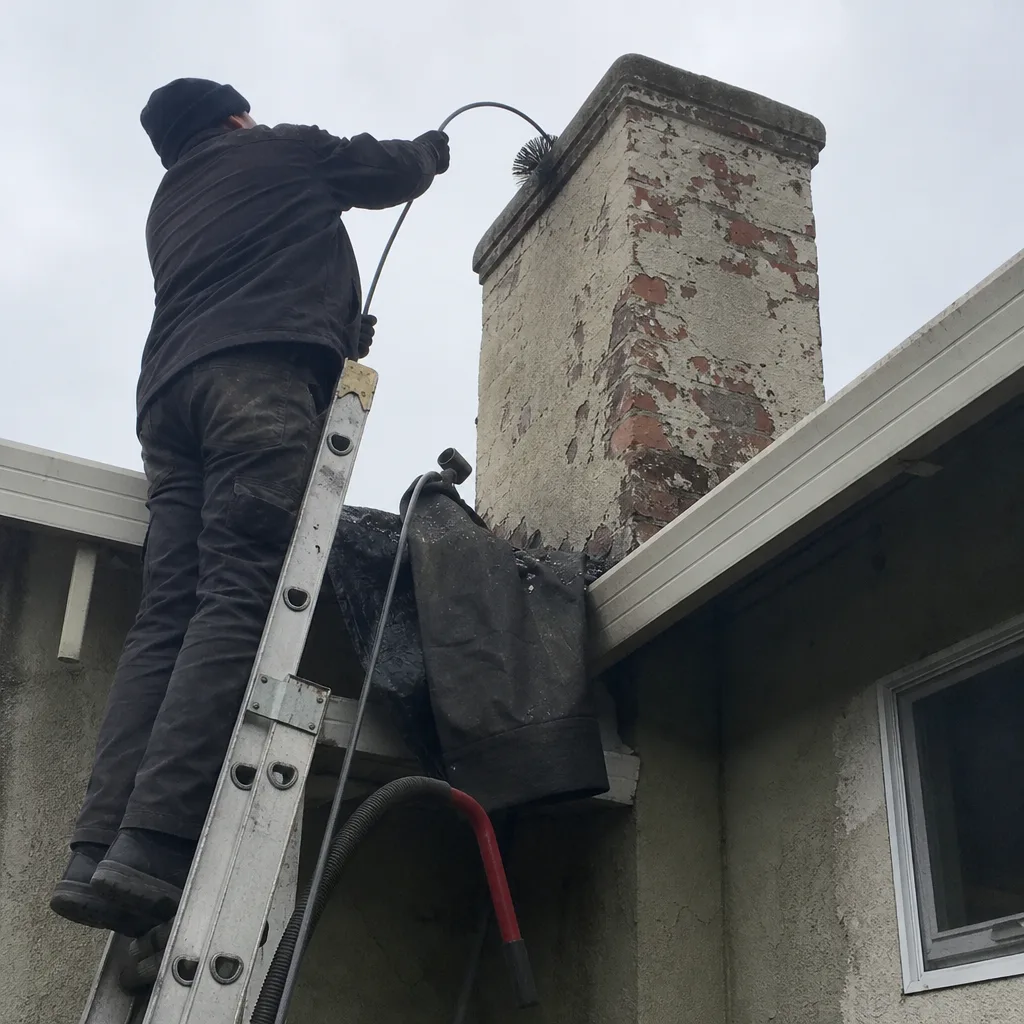 Before
 After
After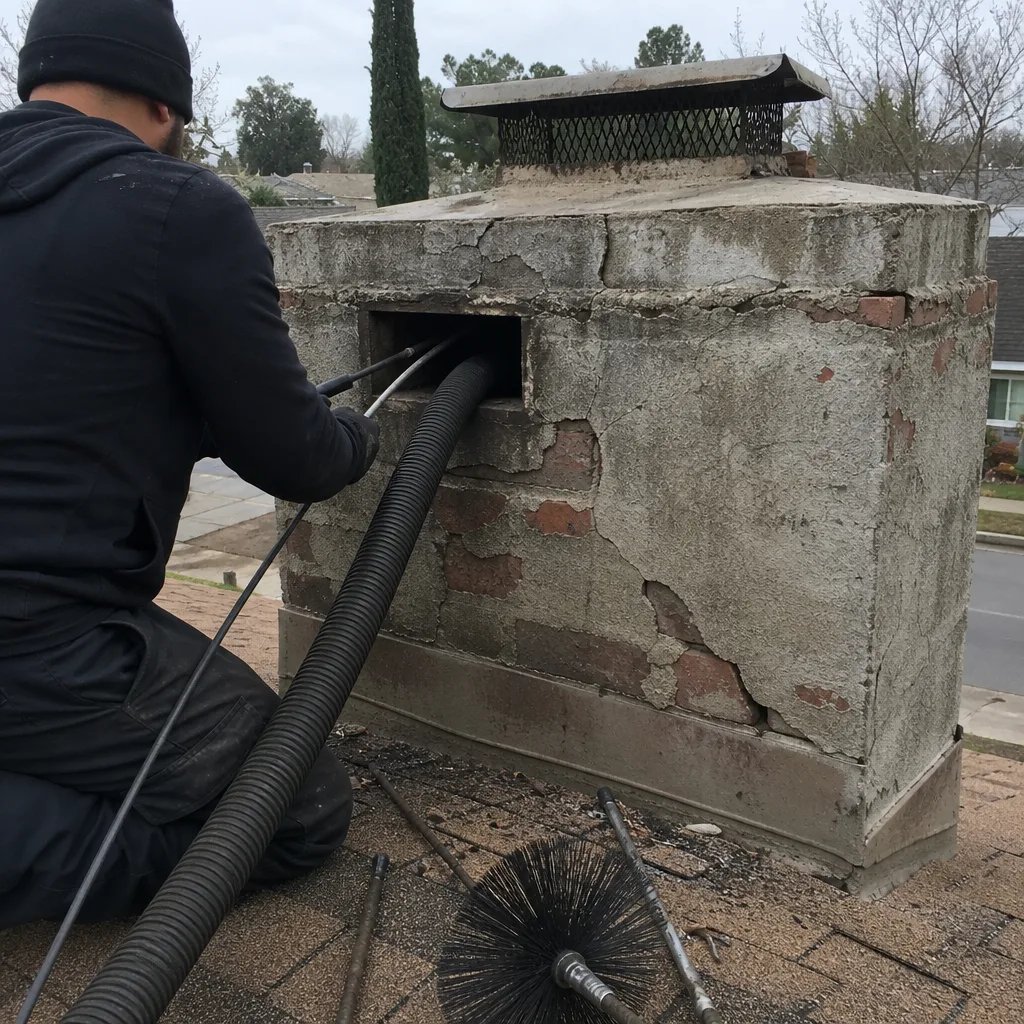 Before
 After
After