
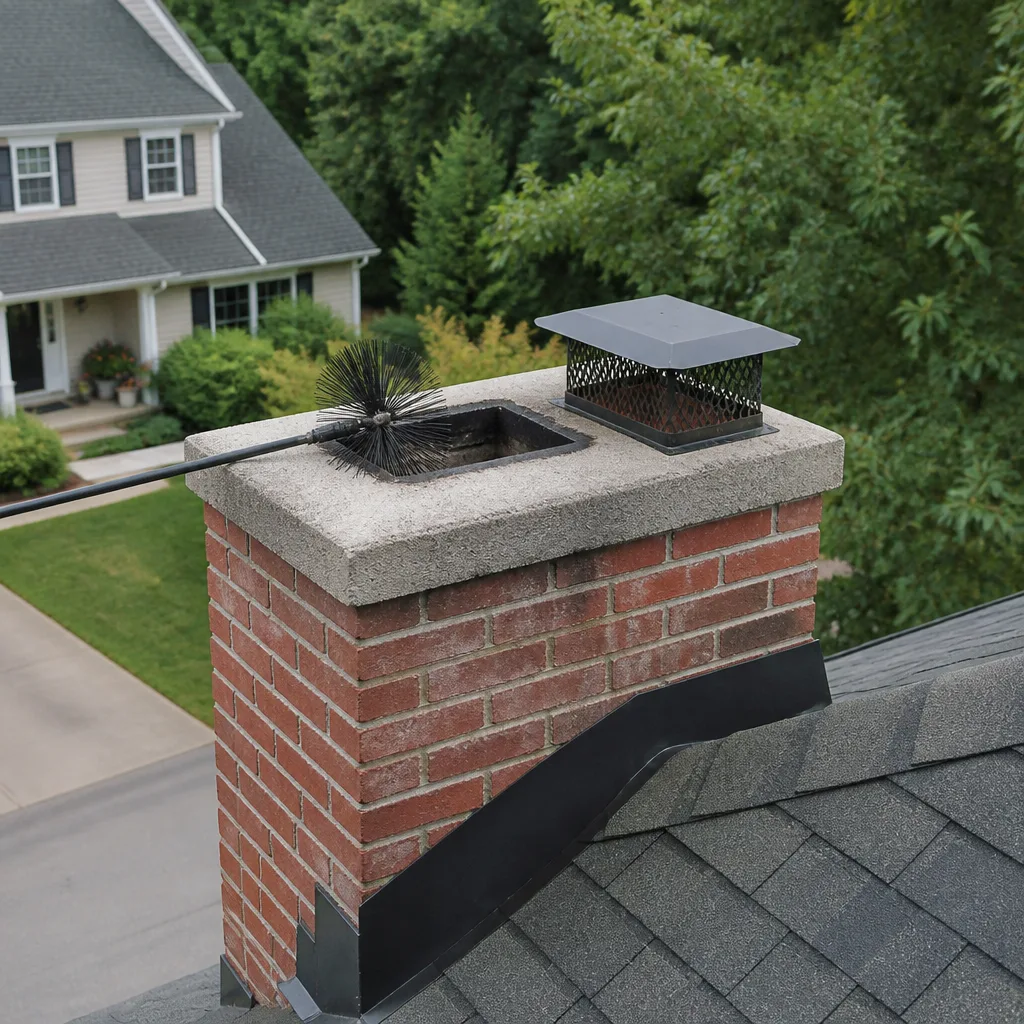
 Sweep & inspection
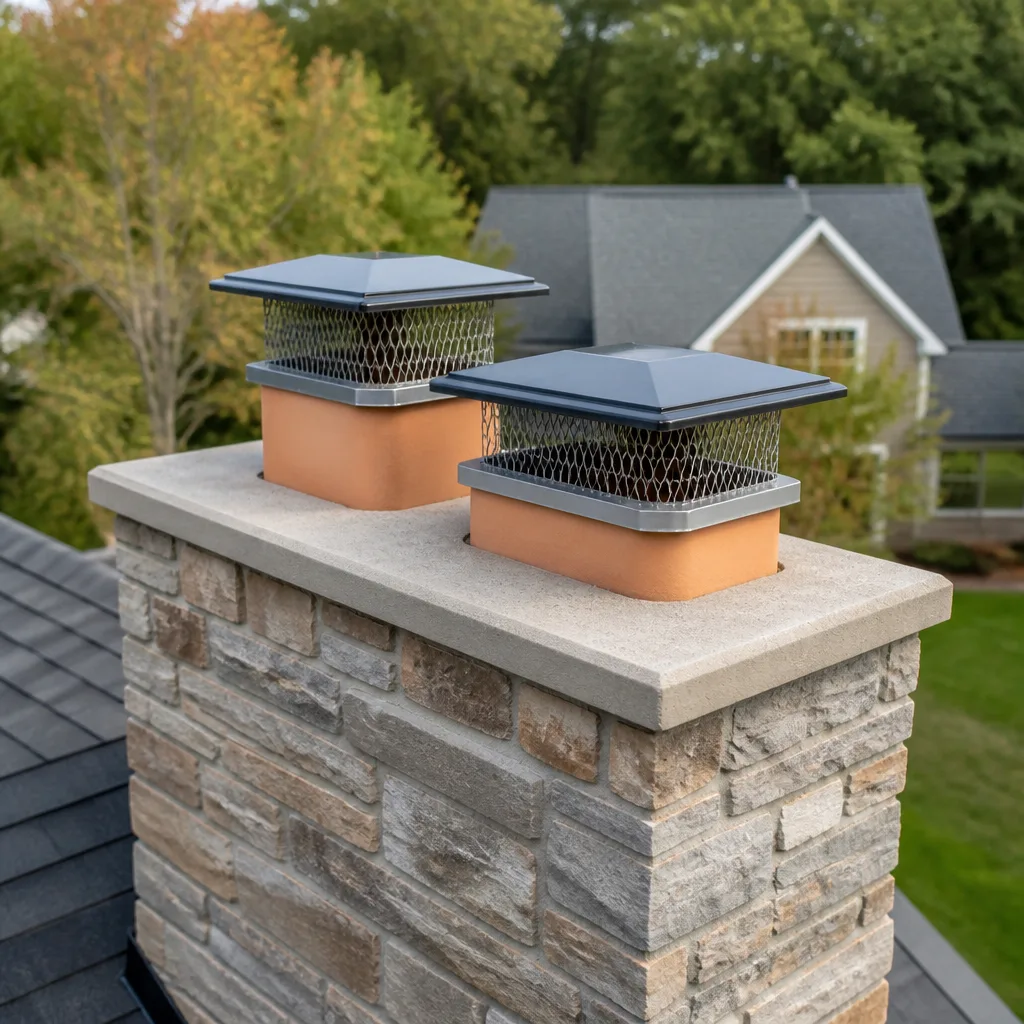 Caps & crowns
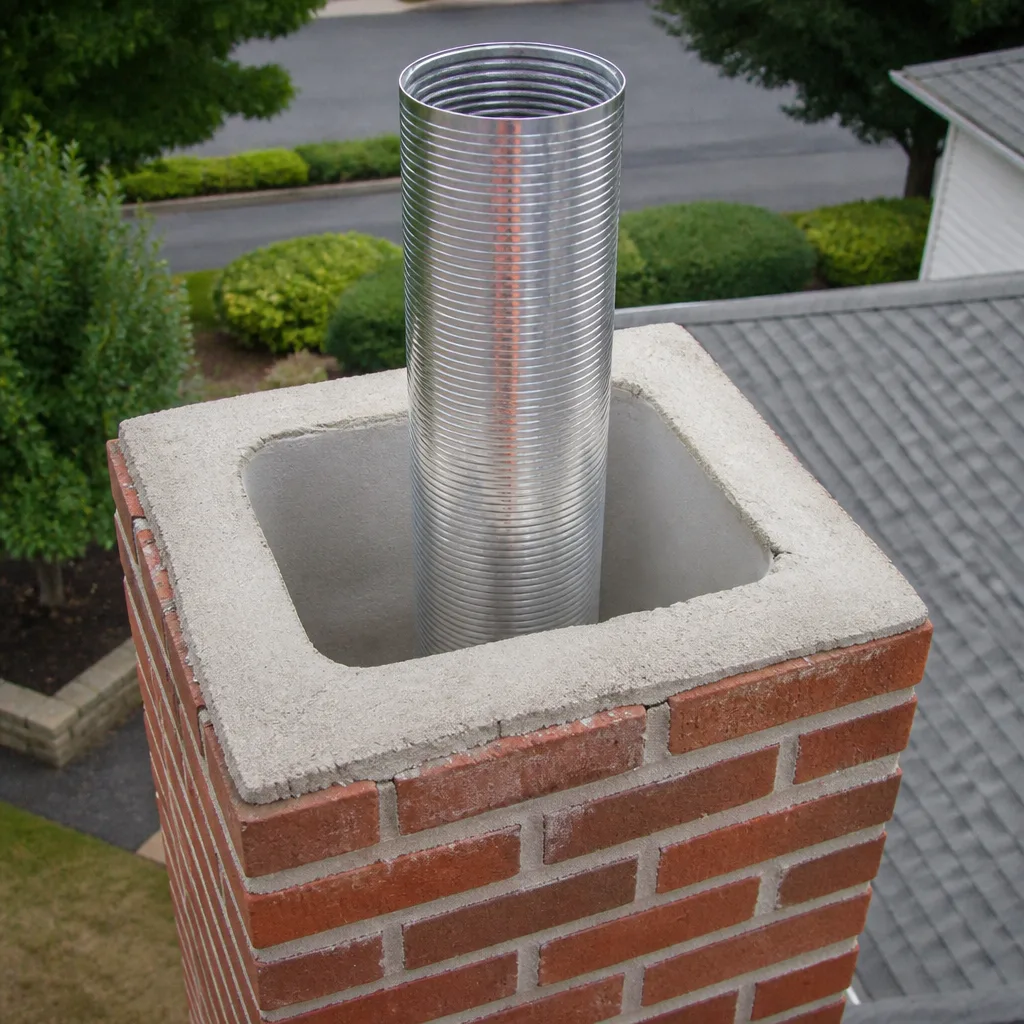 Flue relining
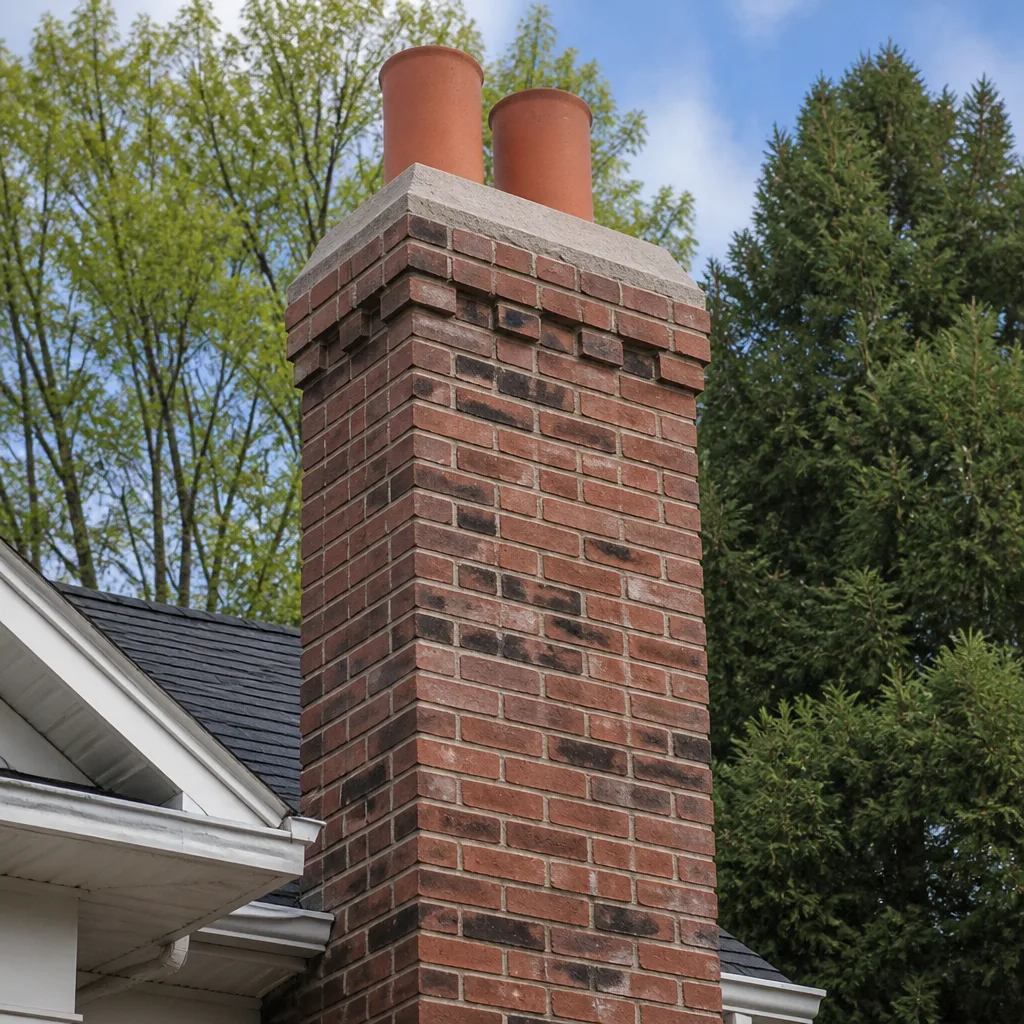 Masonry repair
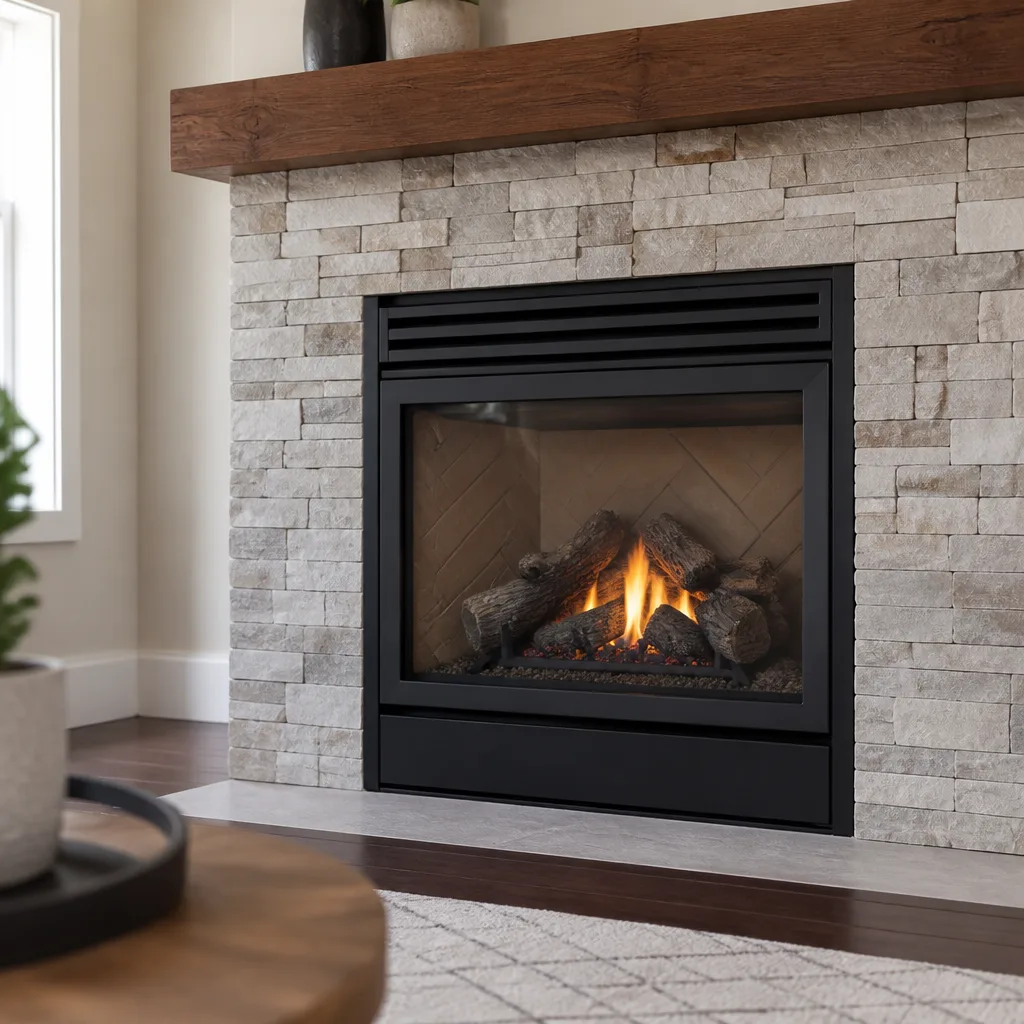 Gas fireplace service
Level 1 sweep and inspection to the NFPA 211 annual standard - flue, crown, cap, and flashing checked and photographed
Chimney sweep logs do not sweep chimneys. They loosen some creosote - which then falls where a brush and vacuum still have to collect it.
HeatShield Chimney Inspection in Sacramento: What to Know First
We provide independent HeatShield chimney inspection in Sacramento, typically completing a Level 1 or Level 2 inspection within 60 to 90 minutes, with a written report and photos before we leave. Most HeatShield inspections in Sacramento run between $189 and $349, depending on whether we’re doing a standard visual check or a full camera scan of the flue. This page is for Sacramento homeowners who have a HeatShield liner or repair system and want an honest assessment of its condition without being pushed toward work they don’t need. Call (279) 243-2173 and a live person will answer, any hour, any day.
Key takeaways:
- We inspect HeatShield systems as an independent service provider, not as a manufacturer representative.
- You’ll get a written price before any inspection work starts, always.
- Our camera equipment documents exactly what’s happening inside your flue, and you see the footage.
How HeatShield Products Fail – and How We Fix Them
HeatShield is a resurfacing system, and in Sacramento it holds up better than most. But it’s not indestructible, and the failure points are specific. Here’s what we actually see in Sacramento chimneys, year after year.
- Cerfractory joint separation in the HeatShield 1200 series. The 1200 formulation is applied in coats, and where the coats meet at the flue’s shoulders and offsets, hairline separation can develop over a decade of Sacramento’s wet-dry seasonal cycling. It shows up on camera as a faint horizontal line that widens under pressure. Our fix is a targeted reapplication at the affected joint, not a full reline.
- Premature wear in HeatShield Ecoceramic from flue gas condensation. In low-draft fireplaces common in older Midtown and East Sacramento homes, the Ecoceramic line can develop a chalky, softened texture in the upper third of the flue. It’s condensation eating at the surface, not a failed install. We document the depth with a camera probe and, where the underlying clay tile is intact, apply a surface stabilization coat.
- Disbonding at the smoke shelf for HeatShield rebuilds done over unparged brick. If the original installer skimped on parging the smoke shelf before applying HeatShield, the material can lift away from the shelf edge years later. It looks like peeling paint on the camera feed, and it traps creosote behind the lifted edge. The repair is straightforward: remove the loose section, re-parge, and reapply the HeatShield coating to match.
- Missing or worn HeatShield on the flue cap and crown junction. The system stops at the top, and the transition point between ceramic coating and masonry is prime real estate for Sacramento’s rain and sun. We commonly see the coating weathered back an inch or two from the crown, exposing the raw tile edge. Our fix is edge reprofiling and sealing, which keeps water from migrating behind the HeatShield layer.
- Installation coverage gaps where the original crew couldn’t reach. HeatShield in tight, offset flues sometimes has thin spots at the corbelled sections, because the applicator physically couldn’t get even coverage. A camera inspection identifies those thin spots early. We patch them before they become a chimney fire risk.
Here’s the thing about HeatShield: it’s a coating system, not a structural liner. It buys time for the original flue, and in Sacramento’s relatively mild winters, properly applied HeatShield can last fifteen to twenty years. But only inspection tells you which fifteen- to twenty-year mark you’re in.
Styles & brands we work with
Our HeatShield Chimney Inspection Process
Every HeatShield inspection in Sacramento follows the same written, unhurried sequence. Danny Cortes designed it so there are no surprises at the door or on the invoice.
- 1
On arrival, we protect first. Shoe covers and drop cloths go down before tools come in. That’s the C in our C.A.R.E. values: Cleanliness, and it’s non-negotiable.
- 2
We ask about history and symptoms. Has the fireplace been used heavily? Any odd smells or trouble starting? Answers guide where the camera goes first.
- 3
Visual exam of the firebox, damper, smoke shelf, and accessible liner section. We’re looking for the HeatShield-specific failures listed above, plus creosote loading and moisture staining.
- 4
Camera scan of the full flue. This is the step that matters most for a HeatShield system. The camera records continuous footage, and you can watch on our monitor. We point out exactly what’s coating wear versus harmless staining.
- 5
Moisture and draft evaluation. We check for water intrusion at the crown and assess whether the flue is drafting properly for the fireplace’s BTU output.
- 6
You get a written report with photos and a straight recommendation. If the HeatShield is sound, we say so. If patches are needed, we quote the exact scope and price. If repair can safely wait a season, we tell you that too, and we note it in your file.
If the recommendation involves parts or materials, we use professional-grade products, and we always tell you whether an OEM HeatShield product is necessary for warranty-sensitive areas or whether a quality aftermarket option from DuraFlex or Gelco will perform identically for less.
What HeatShield Chimney Inspection Costs in Sacramento
Straight numbers, because that’s how we operate:
- Level 1 visual inspection (no camera): $189 to $249, for fireplaces with no known issues and a recent service history.
- Level 2 camera inspection with written report: $289 to $349, includes full video documentation and photo report. This is what most Sacramento homeowners with a HeatShield system choose.
- Level 3 inspection (after a chimney event, fire, or suspected structural failure): $450 to $900, dep
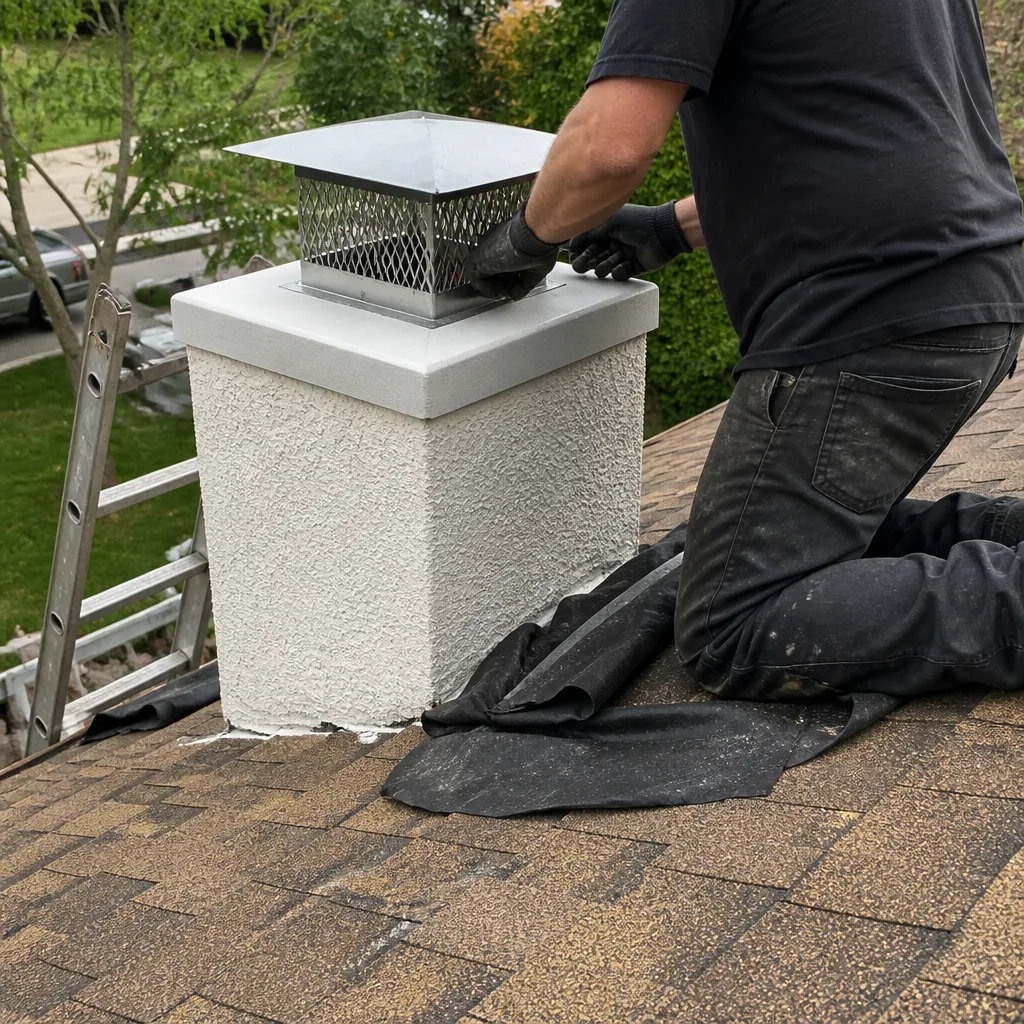
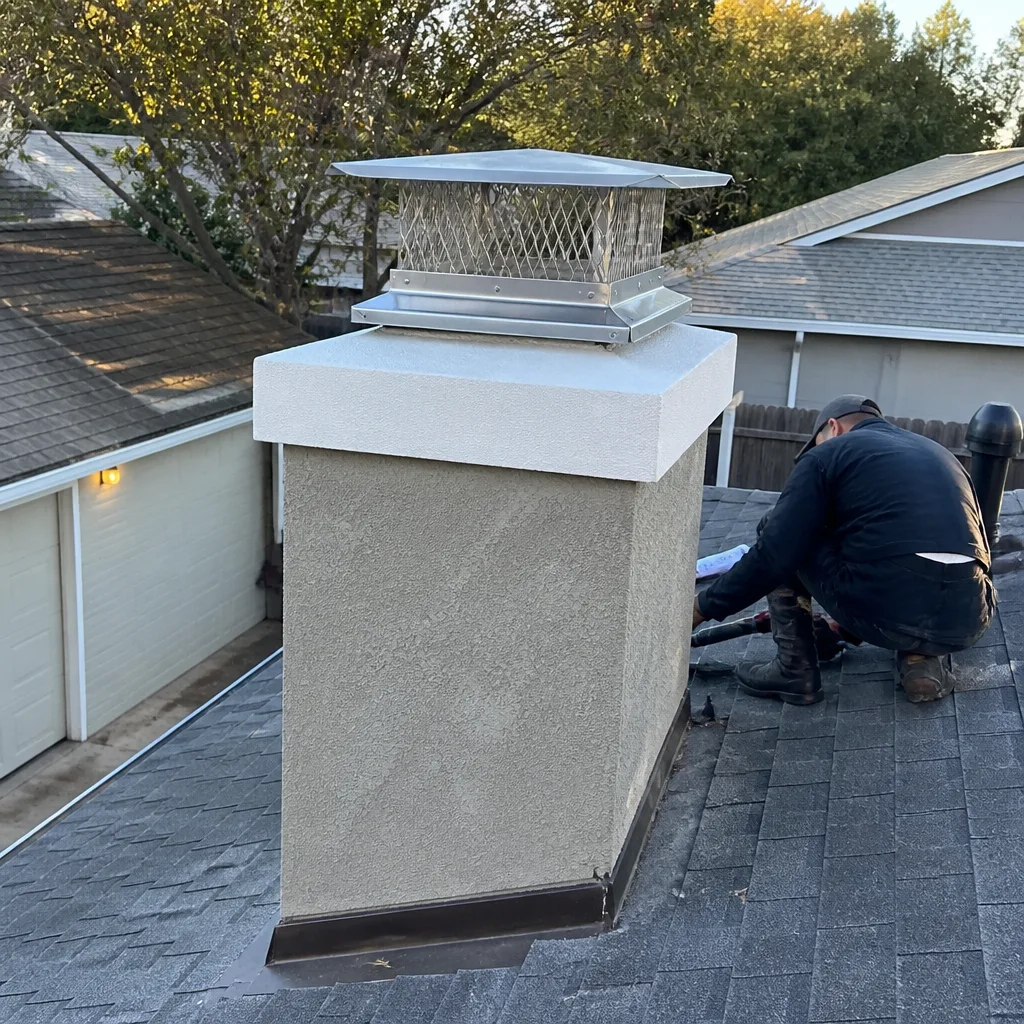
See the difference
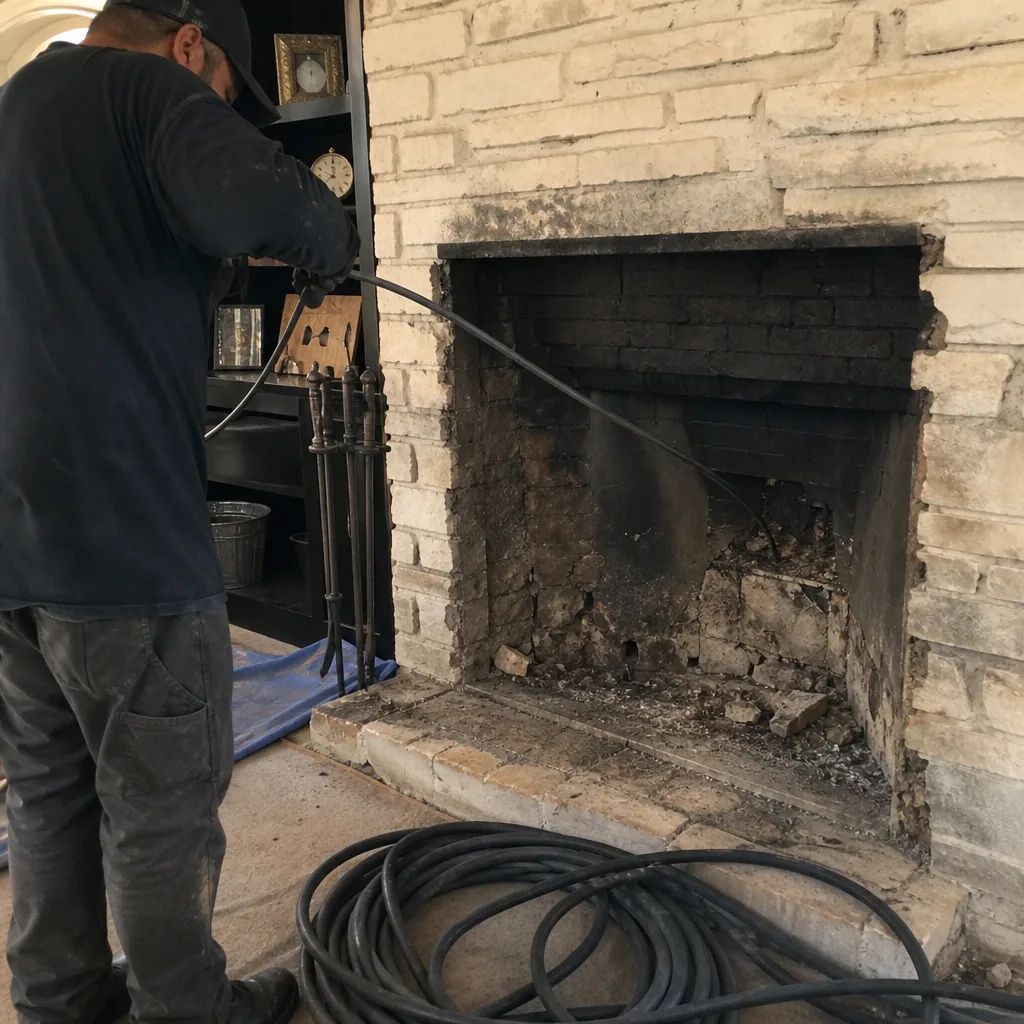 Before
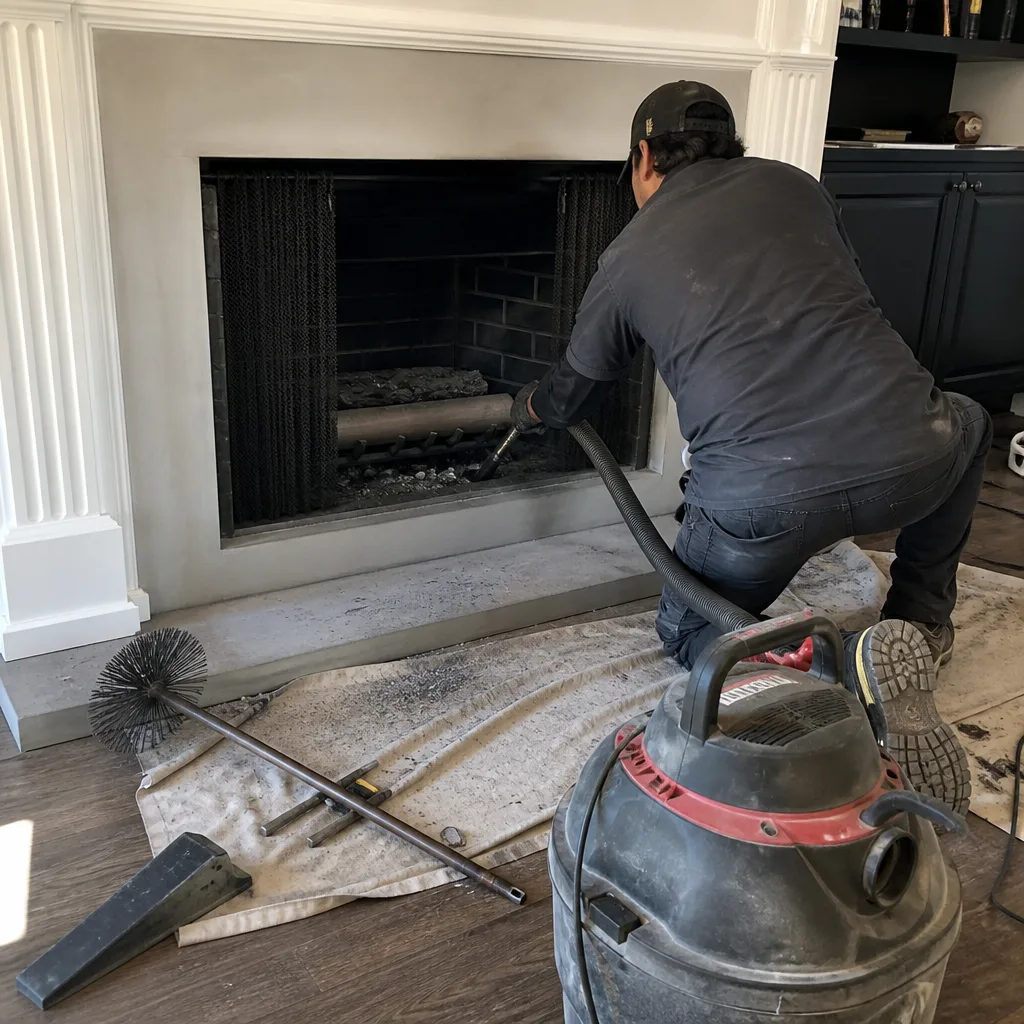 After
After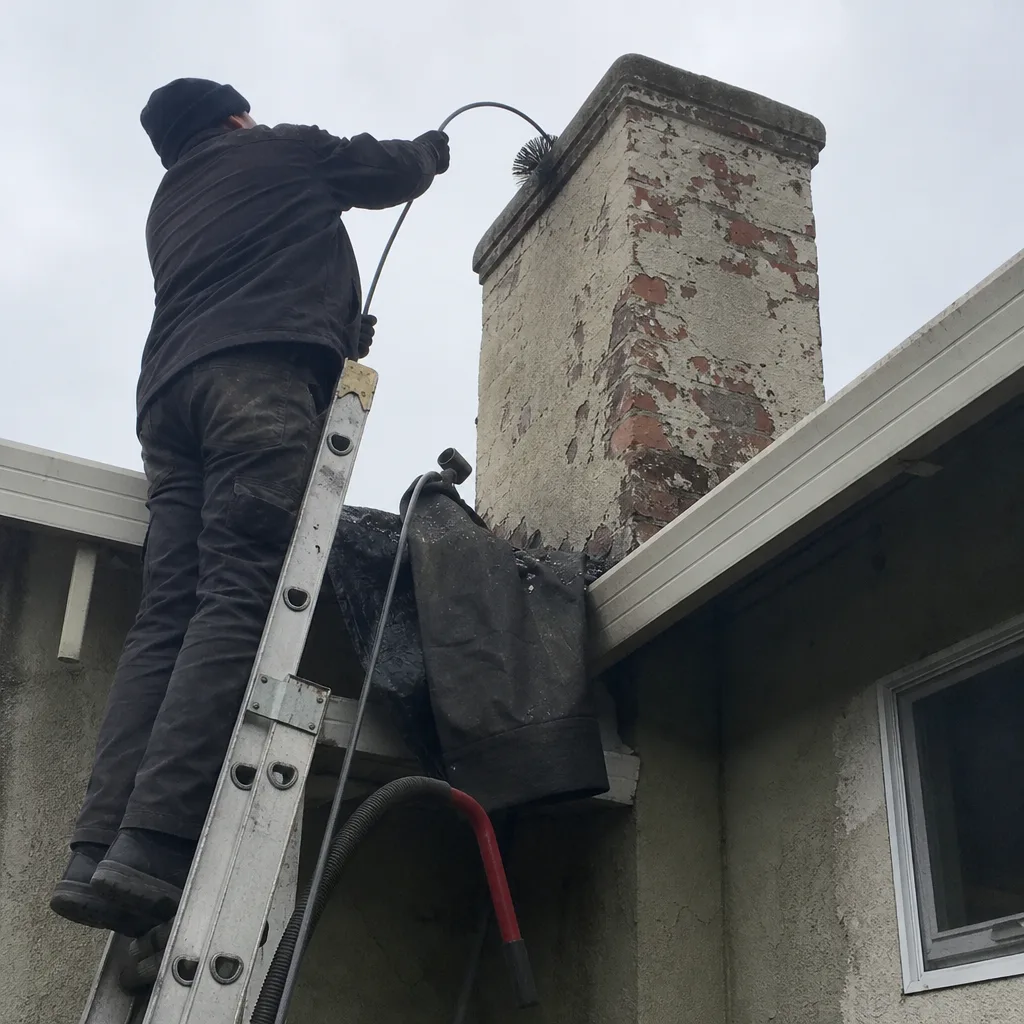 Before
 After
After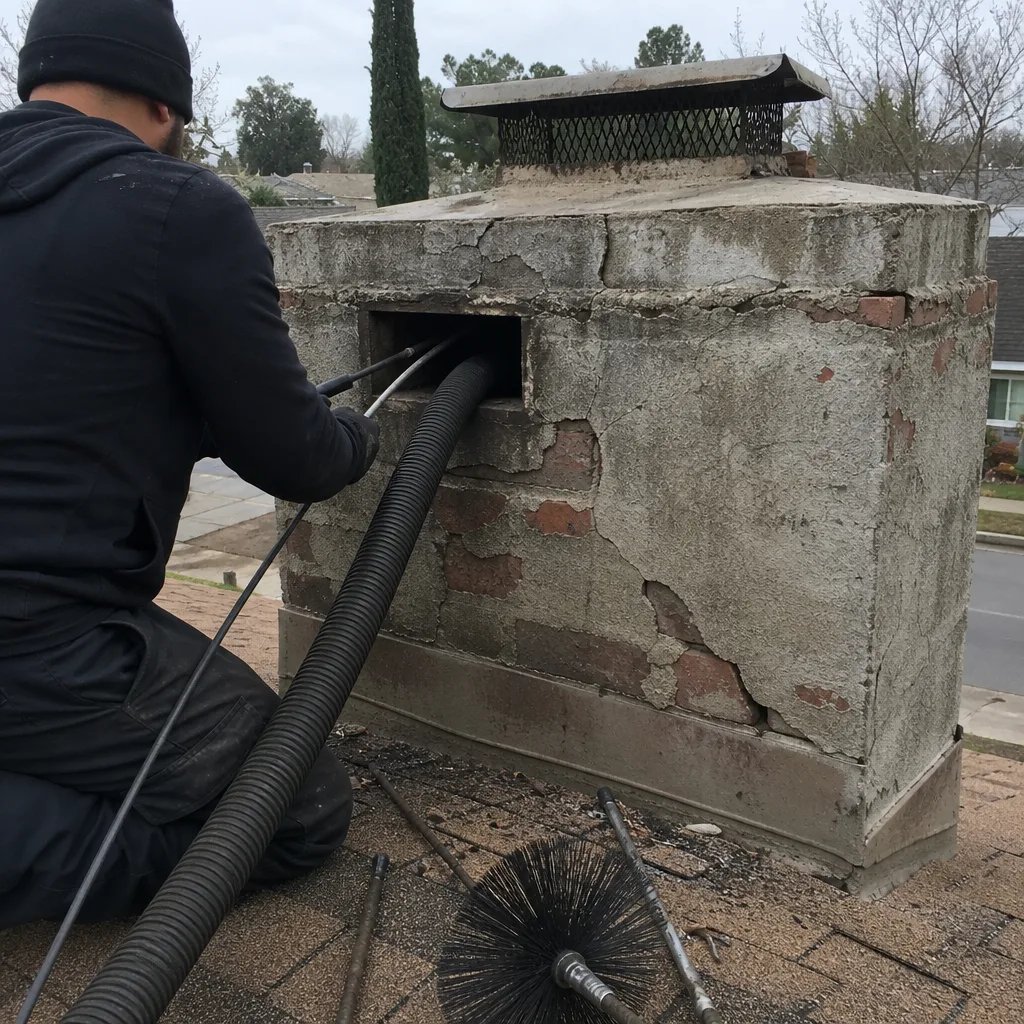 Before
 After
After