
Last updated October 15, 2026
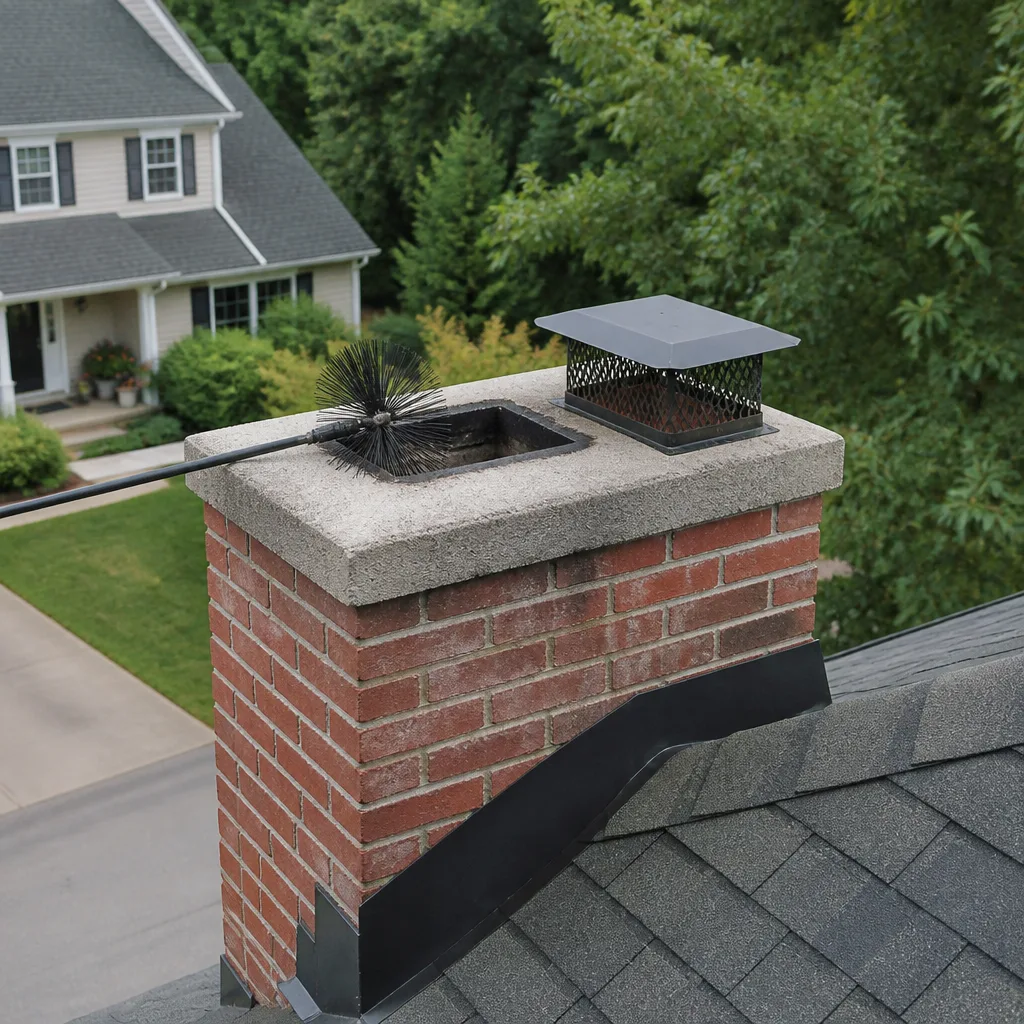 Sweep & inspection
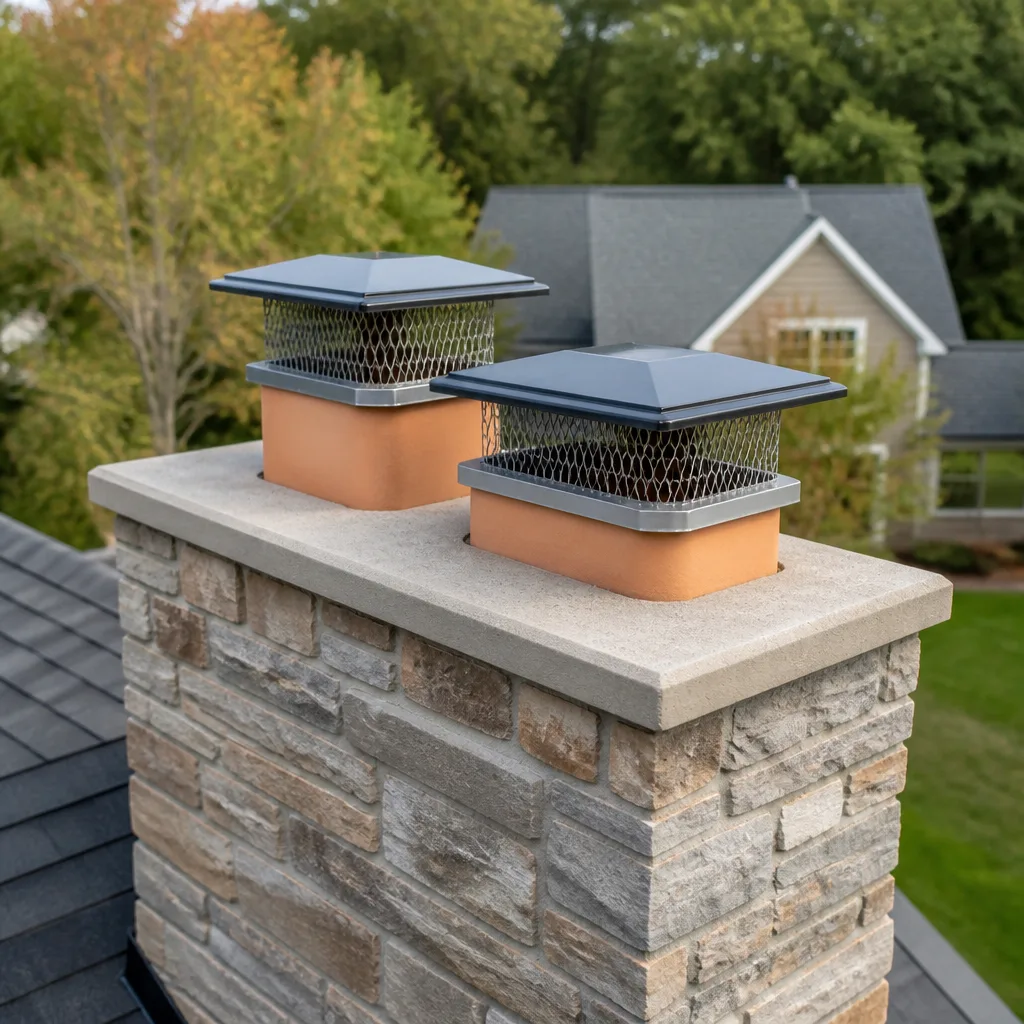 Caps & crowns
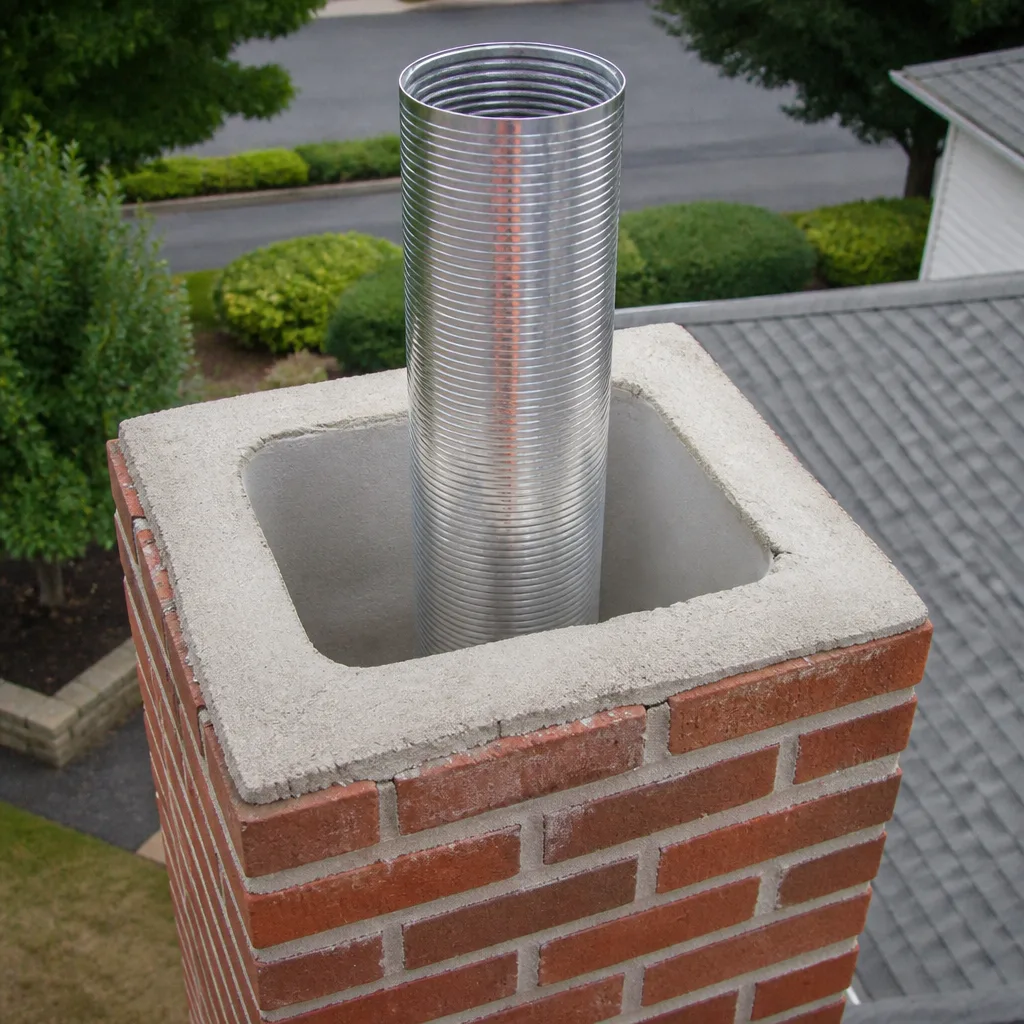 Flue relining
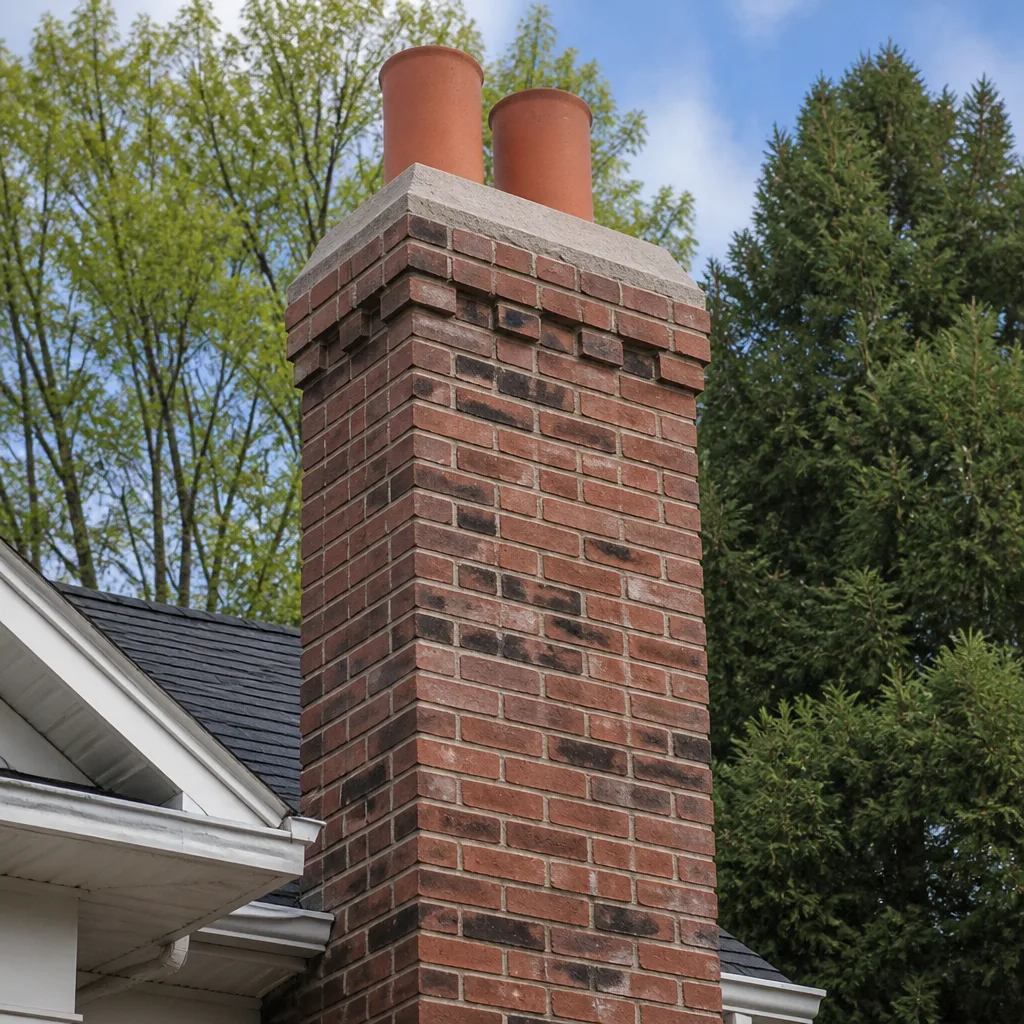 Masonry repair
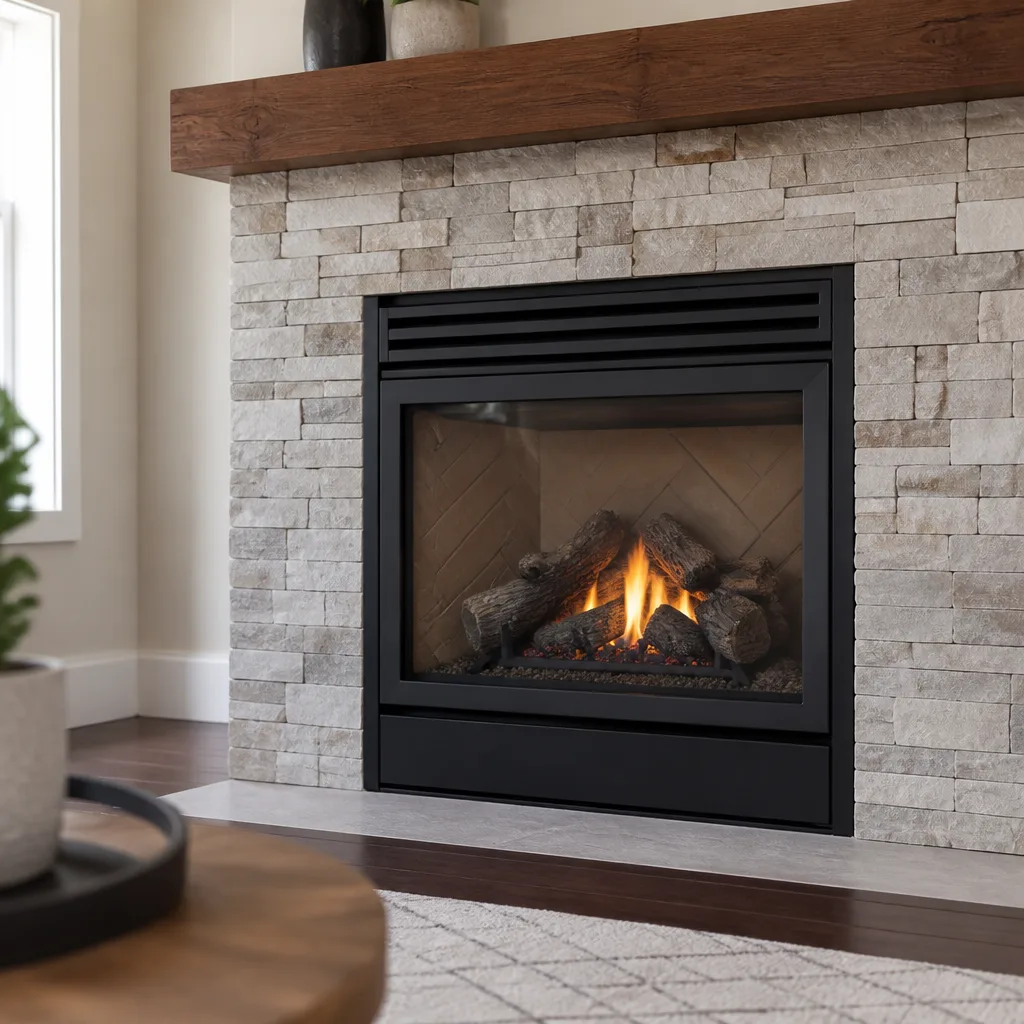 Gas fireplace service
Level 1 sweep and inspection to the NFPA 211 annual standard - flue, crown, cap, and flashing checked and photographed
Chimney sweep logs do not sweep chimneys. They loosen some creosote - which then falls where a brush and vacuum still have to collect it.
Chimney Sweep Maintenance Checklist for Sacramento Homeowners
Most Sacramento homeowners assume the annual sweep is the whole job. It isn’t. The task people skip most often is the post-sweep damper test, a 30-second check that tells you whether that metal plate still seals closed. Skip it, and August’s clean chimney becomes December’s cold draft and a $200 heat leak you didn’t know you had. This guide walks through a maintenance checklist built for Sacramento specifically: tule fog condensation, valley oak creosote, stucco chase covers, and the heat-expansion cycles that crack crowns every summer. For a deeper dive, see The Complete Guide to Chimney Cleaning in Sacramento. By the end, you’ll know exactly what to check, when to check it, and which items belong in a technician’s hands rather than yours.
Quick Answer
A complete chimney maintenance checklist for Sacramento homeowners includes a monthly visual firebox check, a damper test before and after every sweep, an annual Level 1 inspection by a credentialed technician, a chase cover and crown inspection every summer before tule fog season, and dated photos of every service. Most standard Chimney Sweep services in Sacramento run between $189 and $289, and a Level 1 inspection is often included with the sweep.
Styles & brands we work with
Table of Contents
- Month-by-Month Sacramento Chimney Maintenance Checklist
- What You Can Safely Self-Inspect (and What You Can’t)
- The Damper Test Nobody Does (and Why It Matters)
- Chase Covers, Crowns, and Sacramento’s Heat-Expansion Problem
- How to Document Your Chimney with Dated Photos
- What “Passed Inspection” Actually Means in Writing
- Tule Fog, Spare-the-Air Days, and Burn Season Timing
Month-by-Month Sacramento Chimney Maintenance Checklist
Sacramento’s climate doesn’t operate on a generic four-season calendar, and your chimney maintenance shouldn’t either. We have a wet winter, a long dry summer, and two shoulder seasons where the problems that started in one show up in the other. Here’s a month-by-month rhythm that catches problems when they’re small and cheap to fix.
January through March: Winter Burn Season
These are the heaviest burn months in Sacramento. Valley oak and almond firewood have been burning since November, and creosote accumulation is at its fastest when fires run low and slow overnight.
- Monthly firebox check: Before you light the first fire of each week, shine a flashlight up from the firebox. Look for flaking creosote that looks like black cornflakes, or shiny, tar-like glazing. Either one means the flue is narrowing.
- Check for downdrafts on foggy mornings: Tule fog sits heavy in the Central Valley, and a chimney that draws fine in dry air can reverse when that cold, dense fog presses down. If you smell smoke inside on foggy days, it’s not your firewood. It’s a draft problem.
- Listen for dripping in the firebox after rain: A steady drip after a winter storm tells you the chase cover or crown has failed and water is entering the flue. This is the most common Sacramento chimney failure mode.
- February spare-the-air awareness: Sacramento Metro Air District can call no-burn days when particulate matter spikes. Burning during a no-burn day in Sacramento County can bring a fine of $50 for a first offense. Well-seasoned hardwood burns far cleaner and is far less likely to trigger complaints from neighbors in tight-packed neighborhoods like Tahoe Park or Curtis Park.
April through May: Post-Season Assessment
Burn season is winding down. This is the window when we recommend booking the annual sweep and inspection, before the summer rush pushes wait times out two or three weeks.
- Book your annual chimney sweep and Level 1 inspection: Spring pricing is more flexible, technicians aren’t racing between emergency calls, and you’ll get a thorough inspection while the full burn season’s creosote is still visible.
- Damper test after the sweep: After the sweep, close the damper and check the seal from the firebox with a flashlight. If you can see daylight around the edges, the damper needs adjustment or replacement. More on this below.
- Check the exterior crown and chase cover: Walk outside and look at the top of the chimney. Hairline cracks in the concrete crown open up during spring temperature swings and become water entry points by next winter.
- Look for efflorescence on the stucco chase: A white, chalky residue on the outside of a stucco-framed chimney means moisture is moving through the masonry. In Sacramento’s clay soils, this often shows up after a wet year.
June through August: Heat-Expansion Season
Sacramento summers are hard on chimneys. Daytime highs above 100°F followed by overnight drops into the 60s create thermal cycling that opens and closes cracks in masonry and metal components. This is when small problems become visible problems.
- Walk-around inspection in daylight: Check the full length of the chimney. Look for vertical cracks in the stucco or masonry, especially at corners where the chase meets the roofline. Those corners are stress concentrators.
- Check the chimney cap screen: Sacramento has raccoons, squirrels, and chimney swifts. A torn or missing screen on the cap is an open door. Chimney swifts are federally protected and their nests cannot be removed once occupied, so screen repair in summer prevents an October eviction problem.
- Test the damper cable and handle: Operate the damper open and closed five times. Stiffness, grinding, or a handle that won’t stay in position means the cable or bracket needs replacement. It’s a lot easier to fix in July than in December.
- Photograph the firebox and flue: Use your phone’s flash. These dated photos are your baseline for comparing next year’s condition. More on this in the documentation section below.
September through October: Pre-Season Prep
This is the window that makes or breaks your winter. The rain hasn’t started, the flue is dry, and any repair that’s going to protect your home through the wet season needs to happen now.
- Schedule any recommended repairs from your spring inspection: If the crown needs waterproofing, the chase cover needs replacement, or the damper needs adjustment, this is the time. October rains in Sacramento arrive fast and stay.
- Stock firewood properly: Stack seasoned hardwood off the ground, covered on top, with open sides for airflow. Sacramento’s dry summers actually work in your favor here, but that first October rain will soak uncovered wood and make it unusable for months.
- Clean the firebox before first burn: Vacuum out rubble, ash, and any debris that accumulated over summer. Check for spider webs around the damper seal – they’re a sign the damper leaks and has been left open.
- Pre-season damper test: Run the damper through its full range. If it doesn’t seal, you cannot effectively keep warm air in your home when the first cold snap hits in November.
November through December: Winter Startup
First fires of the season. This is the month when a skipped September inspection shows up as a cold, smoky living room.
- First-fire smell check: On your first fire of the season, burn a small, hot fire with one or two logs. If you smell anything beyond clean wood smoke – a chemical smell, acrid burning dust, or a campfire smell when the fire is out – you have creosote buildup from last year.
- Test carbon monoxide detectors: This is a Sacramento-specific point: winter brings tule fog, and tule fog brings poor draft. A chimney that draws perfectly in October can reverse in November fog. A working CO detector is your backup.
- Check the chimney from outside during a burn: Walk outside and look at the chimney. White or light gray smoke should rise and dissipate quickly. Dark smoke that hangs low means incomplete combustion or a restricted flue.
If you’re looking for a Chimney Sweep in Sacramento who will walk you through this entire seasonal rhythm in person, we’d rather spend an hour teaching you than sell you a repair you don’t need.
What You Can Safely Self-Inspect (and What You Can’t)
There’s a line between homeowner maintenance and technician work. Crossing it doesn’t just void your insurance; it can put you in a hospital. High-tension chimney components, roof work, and flue internals belong with a trained professional. But there’s a significant amount of monitoring you can safely do from ground level or from inside the firebox.
Safe for Homeowners (No Ladder, No Roof)
- Firebox visible inspection: Open the damper, shine a flashlight up, and look for creosote flakes, debris, or animal nesting material. If you see anything moving, back away and call a professional.
- Damper handle movement: Open and close the damper. It should move smoothly and stay where you put it. A damper that won’t close is a heat leak; one that won’t open is a burn hazard.
- Chase exterior from the ground: Walk your yard and look at the chimney. Cracks in stucco, rust streaks, or a chimney cap leaning to one side are all visible from the ground with good lighting.
- Smoke behavior during a burn: Stand in the backyard while a fire burns. Healthy smoke rises white or light gray. Lazy, dark smoke curling out the top indicates a draft problem or excess creosote.
- Smoke smell after the fire is out: A campfire smell inside the home hours after the fire is out means the flue is leaking into the house. This is one of the clearest early warnings of a liner or damper problem.
Leave to a Credentialed Technician
- Anything requiring roof access: Sacramento roofs in summer can hit 150°F. Roof work of any kind requires fall protection, proper footwear, and training. We’ve seen homeowners hospitalized from a single slipped step on a Spanish tile roof in Land Park.
- Flue interior inspection: A proper flue inspection requires a camera or specialized tools to examine the full length of the chimney. What you can see from the firebox is roughly 10 percent of what a technician sees.
- Chase cover removal or replacement: Chase covers sit at the top of the chimney and are usually secured with multiple fasteners. Removing one without the right tools and balance is a fall risk.
- Damper replacement or repair: Damper mechanisms in a prefab fireplace often involve springs and brackets under tension. In a masonry chimney, they’re heavy. Both are best left to a technician with the correct replacement parts.
- Creosote removal beyond surface brushing: Glazed, tarry creosote in the third degree cannot be removed with a standard chimney brush. Attempting to scrape it yourself can damage the flue liner and ignite the creosote.
If you’re uncertain about anything you see, call us. A Chimney Inspection in Sacramento with Kindling includes a camera scope of the flue interior, so you’ll see exactly what we see, and nothing gets recommended without photo evidence. That’s part of the Cedarwell Care Promise: no surprises, no pressure, no repair you can’t verify with your own eyes.
The Damper Test Nobody Does (and Why It Matters)
The damper is the one component that fails silently. A cracked flue tile shows up as smoke backing into the house. A failed chase cover shows up as a water stain. A damper that no longer seals just… sits there, letting heated air escape up the chimney all winter long. The test takes less than a minute, and it’s the single most skipped item in Sacramento chimney maintenance.
How to Test Your Damper Seal
- Fully close the damper. Do this during daylight.
- Crouch in the firebox and look up. If you can see daylight around the edges of the damper plate, it isn’t sealing.
- Use a flashlight if needed. In a prefab chimney with an offset flue, you may need to angle the light to see the seal edges clearly.
- Run the test both before and after a chimney sweep. Sweeps can dislodge damper mechanisms, and alignment can change. Test before to know your baseline, and after to confirm the sweep didn’t affect the seal.
- Repeat the test every fall before first fire. Between heat-expansion cycles and general use, a damper that sealed in April may not seal in November.
What a Failed Damper Test Means
A damper that won’t fully close is an efficiency problem first and a comfort problem second. In a typical Sacramento winter, the difference between a sealed damper and a leaking one is the difference between your furnace running normally and your furnace fighting a cold air column dropping down the flue into the living room. Over a full winter, that’s real money on the SMUD bill.
Sometimes the fix is an adjustment. Sometimes the damper needs replacement. On prefab fireplaces from brands like HeatShield or older units, we can usually source exact replacement damper assemblies. On masonry fireplaces, a top-sealing damper installed at the crown can solve the problem permanently. The point is: a failed damper test doesn’t mean a big repair. It means we know the problem exists in October instead of January.
Danny Cortes often points out to Sacramento homeowners that a 30-second test in October saves more than either a $189 sweep or a $1,800 repair ever will.
Chase Covers, Crowns, and Sacramento’s Heat-Expansion Problem
Sacramento has a specific chimney failure pattern that national checklists don’t mention because most of the country doesn’t get 100°F days followed by 60°F nights for three straight months. The top of your chimney expands during the day and contracts at night, every single day, from June through September. Metal components warp. Concrete cracks. Seals fail. This thermal cycling is the reason Sacramento sees more chase cover and crown failures than coastal cities with moderate temperatures.
What to Look For on Your Chase Cover
- Rust streaks down the stucco or siding: Galvanized steel chase covers eventually rust through in the Sacramento Valley. Those orange-brown streaks on the side of your chimney are early-stage chase cover failure.
- Standing water on the chase top: If you can see water pooled on the top of the chimney, or if it looks like a birdbath after rain, the chase cover is bowed. Water that pools eventually finds its way into the framing below.
- Separated seams or caulk: Chase covers are typically fabricated from sheet metal and sealed at the seams. Summer heat cycles will eventually split silicone caulk and open seams.
- Loose or missing fasteners: Wind and thermal expansion work screws loose over time. A chase cover that rattles in the Delta breeze needs tightening.
What to Look For on Your Crown
- Hairline cracks: Concrete crowns crack under repeated thermal cycling. A hairline crack in July becomes a water path by December.
- Spalling or flaking concrete: When Sacramento’s wet winters push water into the crown and summer’s heat forces it back out, the concrete face pops off in chunks.
- Gaps between the crown and the flue tile: This is a common Sacramento issue given our clay soils and seismic activity. A gap here allows water directly into the chimney system.
- Missing or deteriorated waterproofing: Crowns need a breathable waterproofing membrane. If you can see bare concrete, it’s past time to reseal.
We use Famco chase covers for most replacements in Sacramento. They fabricate in stainless steel and galvanized options, and they hold up far better than the original equipment on most builder-grade chimneys. Copperfield components also appear frequently on our repair trucks when brackets, caps, or damper hardware are needed.
If your chase cover or crown is showing any of these signs, call (279) 243-2173. We’ll give you a written price before any work starts, and we’ll show you exactly what we’re seeing with photos.
How to Document Your Chimney with Dated Photos
Dated photos are your cheapest insurance policy, and almost no Sacramento homeowner takes them. The reasons are practical: when you sell your home, a buyer’s inspector will ask for chimney maintenance records. If you file a claim after a chimney-related water leak, your insurance adjuster will want proof of regular maintenance. A folder of dated photos answers both questions without a single phone call.
The Documentation System That Works
- Photograph the same four locations every time: the firebox interior looking up, the exterior chase from ground level on both sides, the chimney cap if visible, and the damper plate in the closed position.
- Use the same angles: Stand in the same spot in the living room. Stand in the same spot in the backyard. Consistency makes year-over-year comparison possible.
- Enable geotagging and date stamps: Your phone does this automatically. If it doesn’t, write the date on a piece of paper and include it in the shot.
- Store photos in a dedicated folder: Google Drive, iCloud, or a folder called “Chimney” in your camera roll. The system matters less than the consistency.
- Add a one-line note: “Chimney swept by Kindling, flue photographed by technician, no creosote at second stage.” A sentence is all you need.
When This Documentation Becomes Important
Home sale: Sacramento real estate markets in neighborhoods like East Sacramento and Elmhurst have seen buyers request chimney inspection reports as standard conditions. If you have a documented maintenance history with photos, you answer the chimney questions before they’re asked. If you don’t, the buyer’s inspector has leverage to demand a credit.
Insurance claims: Most homeowners policies in California cover sudden and accidental chimney damage. What they often contest is slow, progressive damage from lack of maintenance. Dated photos of your annual sweep and inspection make the case that you maintained your chimney and the damage was sudden.
Warranty claims: Chases and liners installed by some manufacturers carry warranties that are voided without proof of regular inspection. Dated photos of a clean flue and a documented sweep log keep those warranties enforceable.
Our Chimney Inspection in Sacramento service includes a written report with photos from the camera scope. You’ll leave with exactly the kind of documentation that holds up in a real estate transaction or an insurance discussion.
What “Passed Inspection” Actually Means in Writing
A verbal thumbs-up from a chimney technician means nothing when your insurance adjuster asks for documentation. A written Level 1 inspection report, on the other hand, is a specific, standardized document that states exactly what was inspected, what was found, and what condition each component is in. The difference matters in ways most Sacramento homeowners don’t hear about until after something goes wrong.
The Difference Between Verbal and Written
When a technician says “your chimney passed inspection,” what they usually mean is that they didn’t see anything that would prevent safe operation. That’s useful, but it’s not a document. A written Level 1 inspection report, prepared to the standard set by the Chimney Safety Institute of America (CSIA), lists the condition of the flue liner, damper, smoke chamber, firebox, cap, crown, and exterior masonry, each with a specific status rating.
Why the Written Report Matters for Your Homeowner’s Policy
If you ever file a claim related to chimney damage, your insurer will ask one question first: “When was the last inspection, and what did it say?” A verbal “the tech said it was fine” is not evidence. A written Level 1 report dated within the past 12 months is.
In Sacramento, where chimney fires account for a measurable share of cold-weather structure fires every year, insurance companies have become more rigorous about proof of maintenance. A homeowner who can produce written inspection reports over several years is in a far stronger position than one who relied on a handshake.
What Kindling Provides
Every Fireplace Repair in Sacramento and chimney inspection we perform comes with a written report. It’s not a form we fill out in the truck after the fact; it’s a structured document produced from the camera scope footage and the technician’s observations during the actual inspection. You get a copy, and we keep a copy. If you sell your home in Sacramento next year or the year after, call us and we’ll pull the records.
A written report protects you, and it protects the buyer of your home too. When everybody has the same document, there’s nothing to argue about.
Tule Fog, Spare-the-Air Days, and Burn Season Timing
Sacramento doesn’t get a four-month winter like Minneapolis or Boston. What we get is a three-month stretch from November through January when tule fog sits in the Central Valley for days at a time, the sun doesn’t burn it off, and cold, dense air presses down on every chimney in the region. That fog changes how your chimney drafts, and it changes when you should and shouldn’t burn.
How Tule Fog Affects Chimney Draft
Tule fog forms when cold, still air holds moisture close to the ground. That same cold, still air sits over your chimney and creates a pressure inversion. Your chimney relies on the stack effect: warm air inside the home rises up the flue and pulls combustion gases out with it. When a cold, dense fog layer presses down from above, the stack effect weakens. In severe cases, the chimney reverses entirely and pushes smoke back into the house.
This is why the foggy mornings in neighborhoods like Natomas and Pocket routinely produce “smoke in the house” calls for us every winter. The chimney that worked perfectly in October stops drawing in November, and the problem isn’t the chimney; it’s the weather. After the fog burns off by late morning, the draft returns.
What This Means for Your Burn Routine
If you light a fire on a foggy Sacramento morning and smell smoke inside, check the time. If the fog is still thick, postpone burning until afternoon. Build your first fire after the fog clears, and the draft will almost always return. If the smoke smell persists after the fog burns off, that’s when you have a real problem worth calling about.
Spare-the-Air Days in Sacramento
The Sacramento Metropolitan Air Quality Management District calls Spare-the-Air days on winter days when fine particulate matter is expected to exceed federal standards. On those days, burning wood in a fireplace or uncertified wood stove is prohibited in Sacramento County. First-time violations bring a $50 fine, and repeat violations escalate.
A well-maintained chimney and properly seasoned hardwood burns significantly cleaner than a neglected one. But the regulation doesn’t care about the condition of your chimney; it cares about the air quality outside. Check the Air Quality Index before you burn on winter days, especially during stagnant fog events.
Timing Your Annual Service
Given the fog season and the no-burn days, we recommend booking your annual sweep and inspection in April or May, with any repair work scheduled for September. This gives you a guaranteed-clean flue going into winter and a full burn season’s worth of creosote removed before the weather turns.
The Kindling Chimney Sacramento home team serves the entire greater Sacramento area, including North Natomas, Rancho Cordova, Roseville, Elk Grove, Folsom, Fair Oaks, Carmichael, Citrus Heights, and Davis. If you’re burning wood in this region, this checklist applies to you.
Common Mistakes to Avoid
- Skipping the damper test after a sweep. A sweep can shift the damper mechanism. Test it before and after, every time, and write down the result.
- Burning unseasoned wood during tule fog season. Wet wood produces more creosote and more smoke, both of which compound the fog-draft problem and the air-quality problem.
- Ignoring rust streaks on the chase cover. Those streaks are water entry, not surface rust. The longer they’re ignored, the more the framing behind the stucco deteriorates.
- Waiting until November to book a sweep. Sacramento chimney companies are busiest in the first cold snap of the season. Book in April or May and you’ll have your choice of appointment times.
- Painting over cracks in the stucco chase without sealing the underlying crown. The crack reappears because the water entry is at the top, not the face. Seal the crown, then repaint.
- Assuming a verbal “passed inspection” is enough for insurance. It isn’t. Ask for a written Level 1 report and file it with your home maintenance records.
- Burning on Spare-the-Air days. The fine is small, but multiple violations add up, and your neighbors in dense Sacramento subdivisions will report you.
See the difference
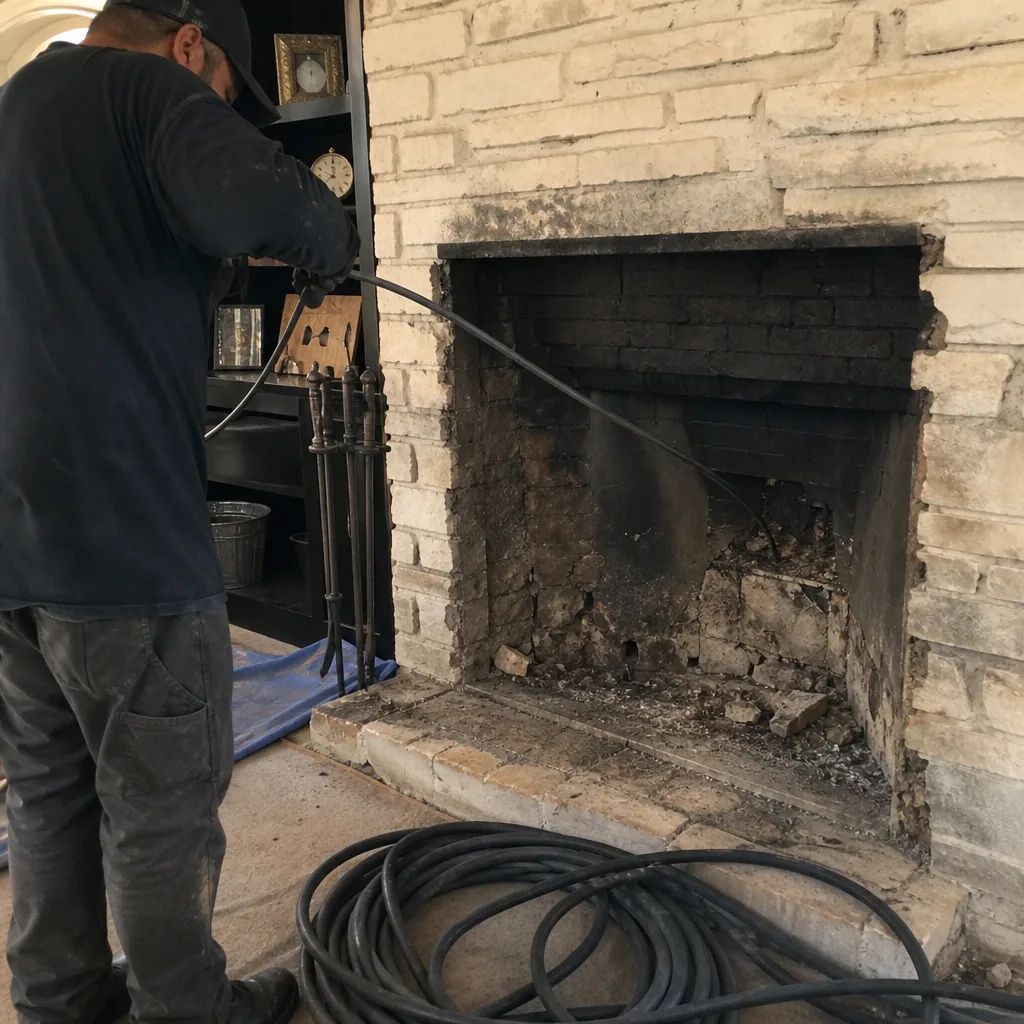 Before
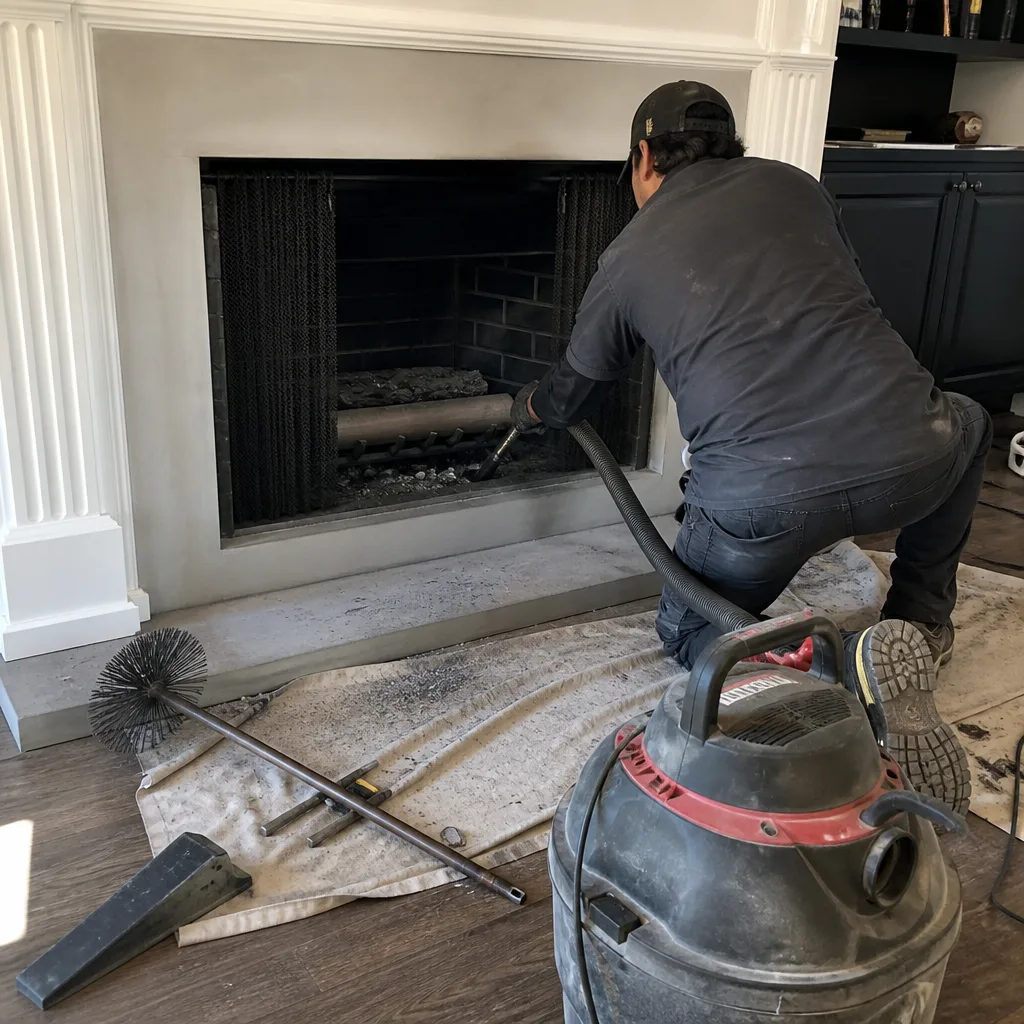 After
After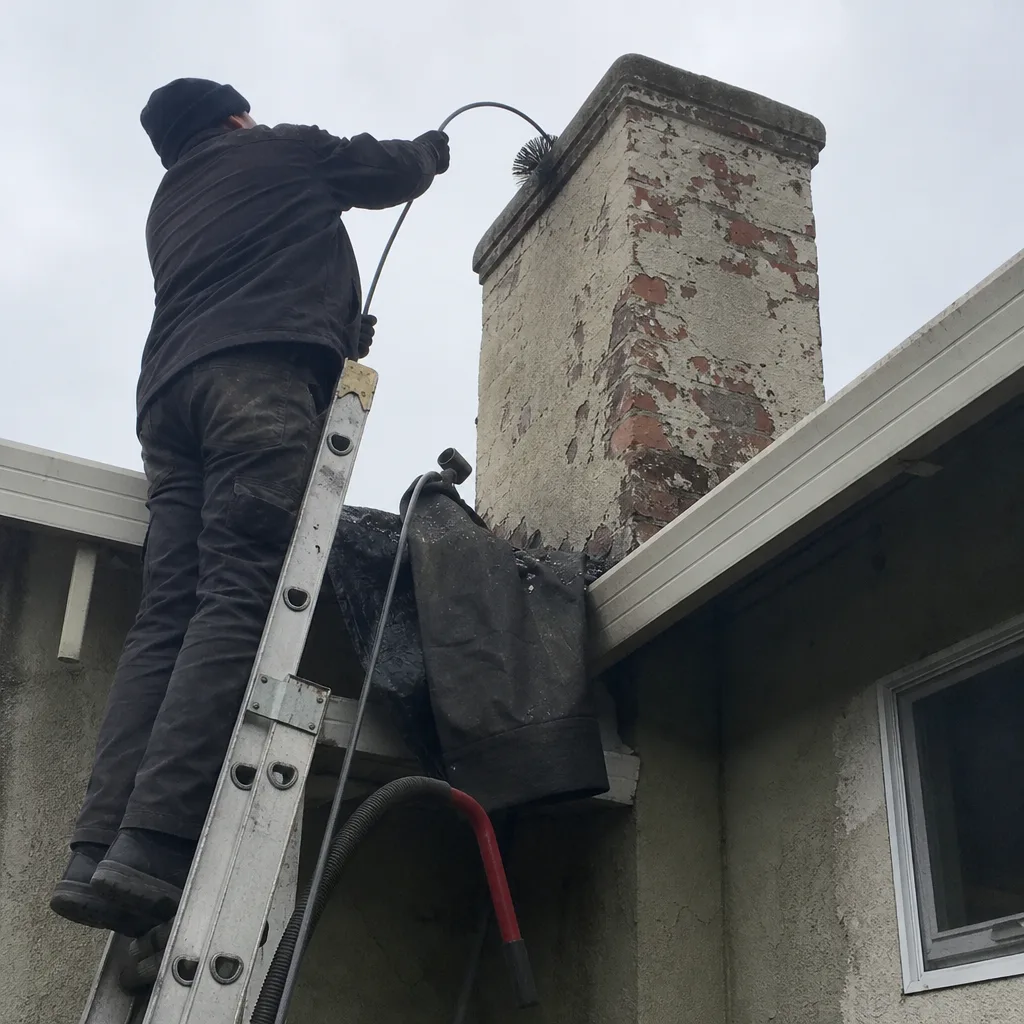 Before
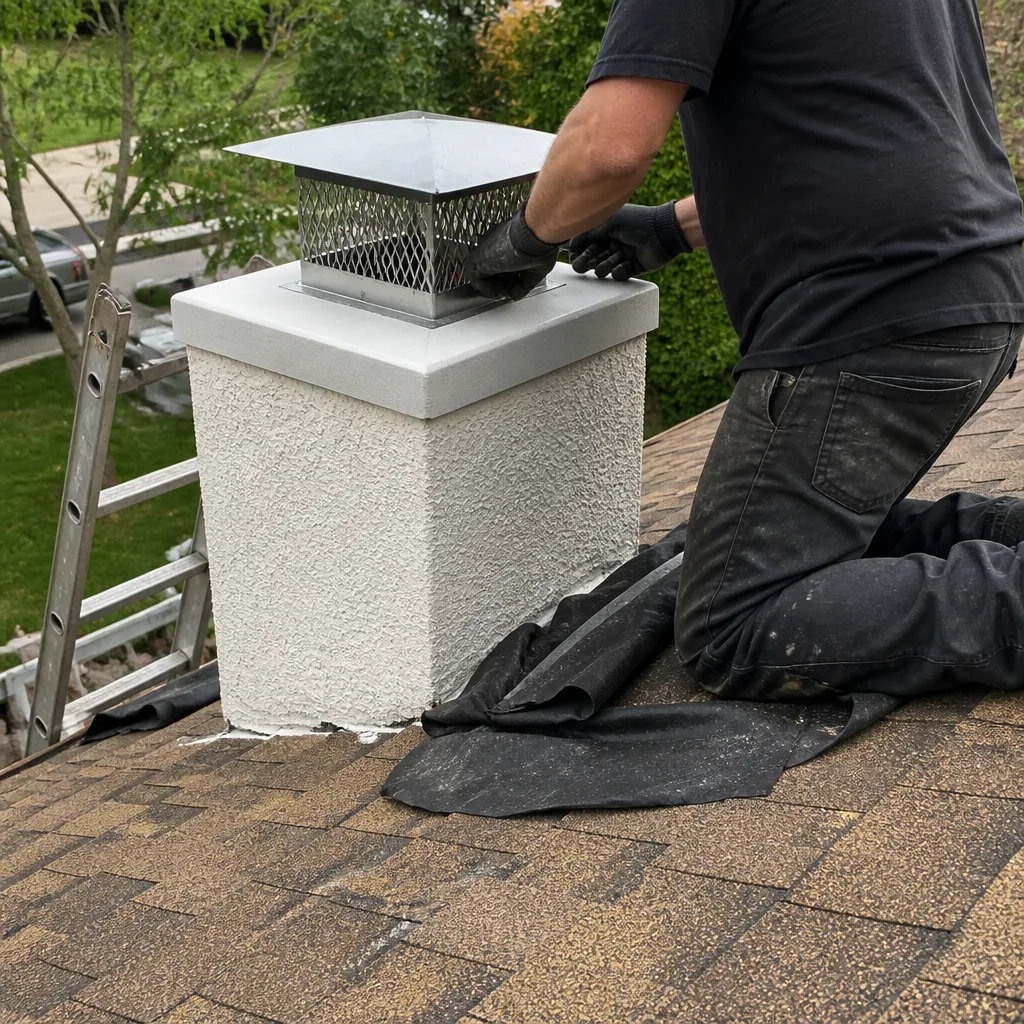 After
After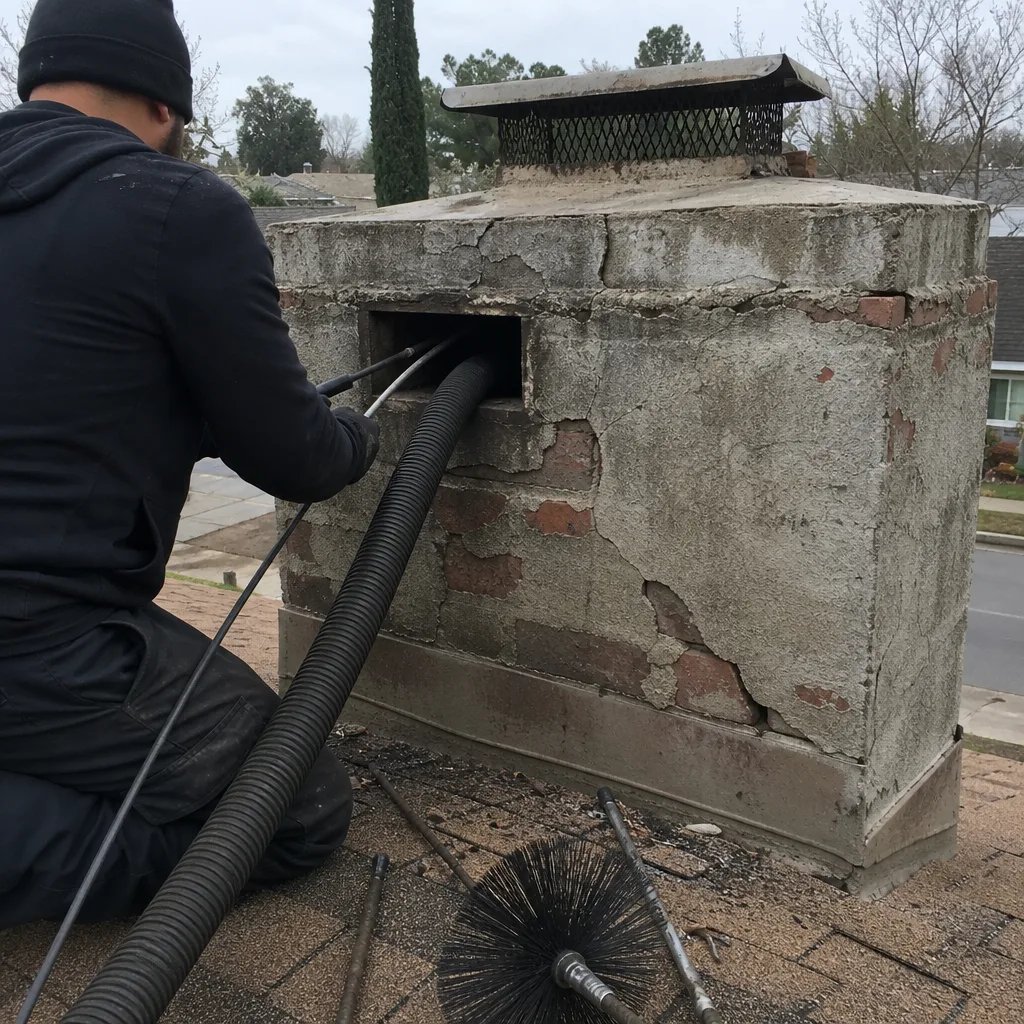 Before
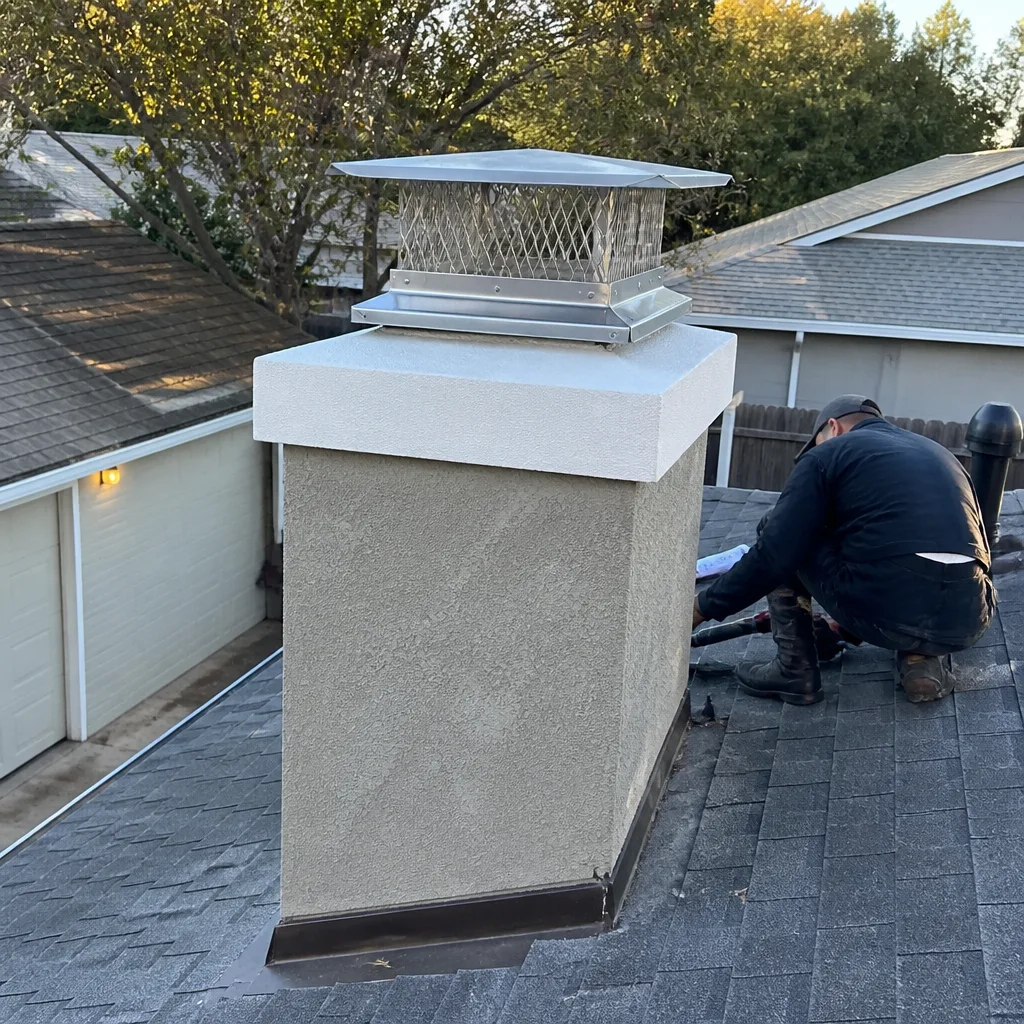 After
AfterWhen to Call a Professional
Call a chimney professional when you see glazed or third-degree creosote in the flue, when you smell smoke inside the home after the fire is out, when you see cracks in the crown or rust streaks on the chase cover, when the damper won’t hold its position, when water is entering the firebox, or when you see any sign of animal nesting in the chimney. These are not DIY fixes. High-tension components, roof access, and flue internals all require training and proper equipment. A failed repair attempt on a chimney damper or a chase cover can turn a $300 fix into a $3,000 one, and some of the repairs we do involve working at height with hot metal and tensioned parts that can injure without warning. Kindling Chimney Sacramento offers free estimates in Sacramento – call (279) 243-2173 and a live person will answer.
Frequently Asked Questions
A standard chimney sweep in Sacramento typically costs between $189 and $289, with a Level 1 inspection usually included or available for a modest add-on. Prices vary based on the size of the flue, the amount of creosote present, and whether any repair work is needed. Call (279) 243-2173 for an exact quote – estimates are free, and you’ll get a written price before any work begins.
If you burn wood more than twice a week during Sacramento’s burn season (November through February), schedule a sweep once a year. If you burn only occasionally or use a gas fireplace, every two years is typically sufficient. A fireplace that’s used daily through the winter may need a mid-season check in January, especially if you’re burning valley oak or almond.
Creosote accumulates in layers, and after two or three years of regular burning, it can enter the glazed, tarry third-degree stage that a standard brush cannot remove. Glazed creosote is a fire hazard and requires chemical treatment or specialized removal tools. The longer you wait, the more expensive the removal becomes, so the economics of skipping a sweep never work in your favor. Call (279) 243-2173 if you haven’t had a sweep in more than two years – we’ll show you exactly what’s in the flue with a camera scope.
A cracked flue liner is a safety issue, not a cosmetic one. Gaps and cracks in the flue allow heat and combustion gases to reach combustible framing inside your home’s walls. In prefab fireplaces, a damaged liner often means replacing the entire system. In masonry chimneys, a stainless steel liner from DuraFlex can typically be installed to restore safe operation without rebuilding the chimney. Nothing gets recommended without camera evidence, and we’ll show you the exact crack we’re seeing. If it can wait, we’ll tell you.
You can burn any properly seasoned hardwood, but Sacramento’s most common firewood choices are valley oak, almond, and eucalyptus. The key variable is moisture content: wood should be seasoned for at least six months and have a moisture content below 20 percent. Wet wood creates more creosote, more smoke, and more wasted heat. It also increases the chance of a Spare-the-Air violation on high-particulate days.
Summer chimney odor in Sacramento is usually caused by creosote residue absorbing humidity and releasing odor into the house, especially when the damper doesn’t seal completely. Our hot, dry summers don’t produce much humidity, but the first humid days in May and June are enough to activate the smell. A full sweep removes the creosote, and a damper adjustment or top-sealing damper keeps the odor from entering the living space.
The Bottom Line
Sacramento chimneys fail in predictable ways: tule fog chokes the draft, summer heat cycles crack crowns and warp chase covers, and skipped damper tests leak heat all winter. The maintenance checklist in this guide is built to catch those specific failures at the right time of year, not to recycle a generic national template. Your job as a homeowner is the monthly visual check, the damper test, and the dated photos. Everything else belongs to someone with training, a camera scope, and the professional-grade parts to fix what’s actually broken. Start with the checklist. For more guides & resources, explore our blog. If something looks wrong, call (279) 243-2173 for a free estimate. We’ll give you a written price before any work starts, and we’ll show you the evidence of whatever we find.
Written by Danny Cortes, Owner at Kindling Chimney Sacramento, serving Sacramento since 2003.