
Last updated October 15, 2026
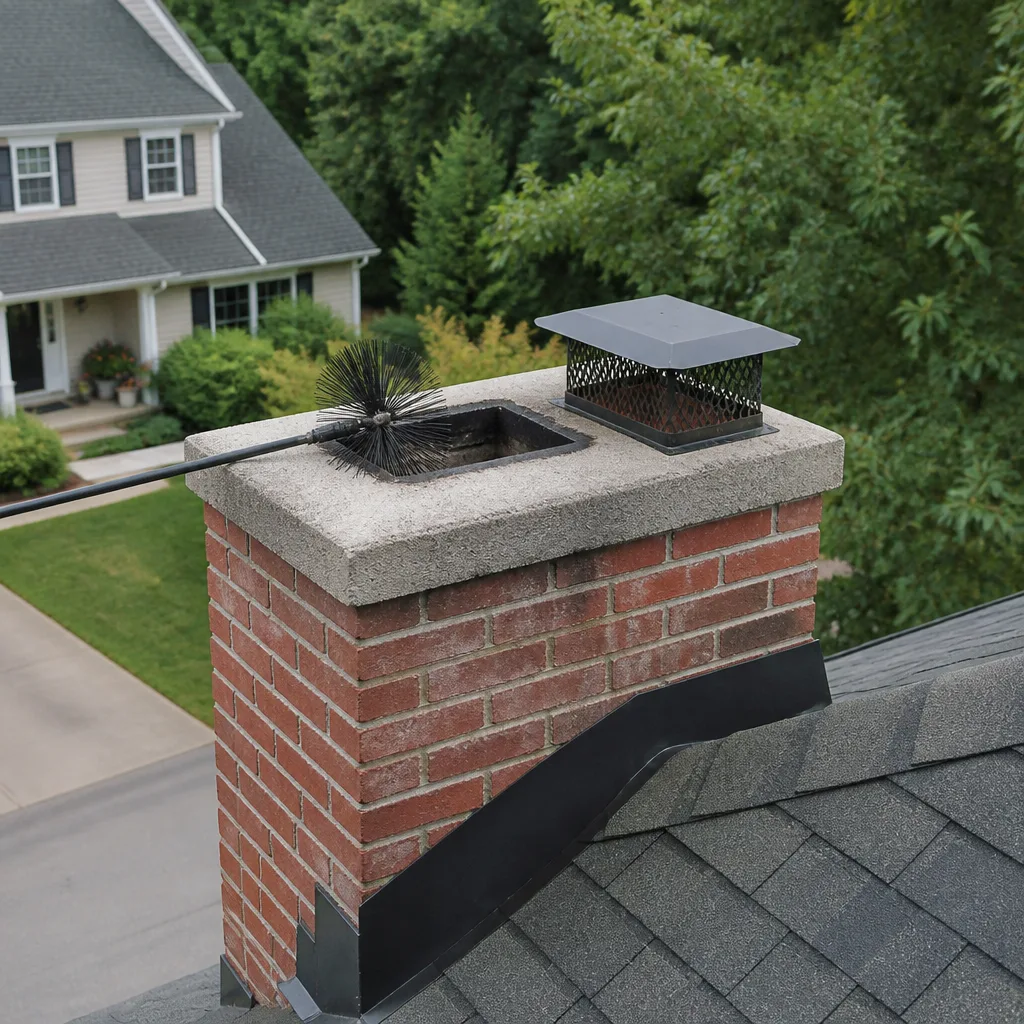 Sweep & inspection
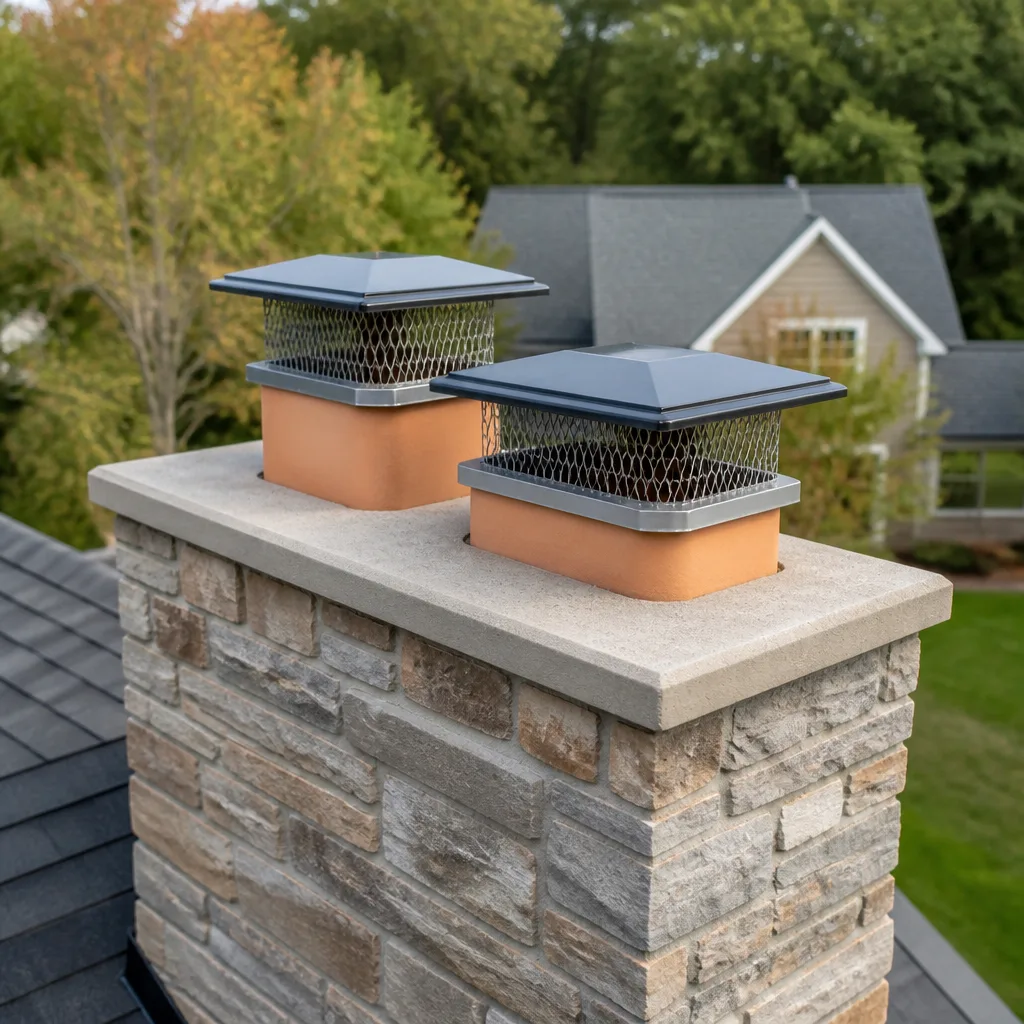 Caps & crowns
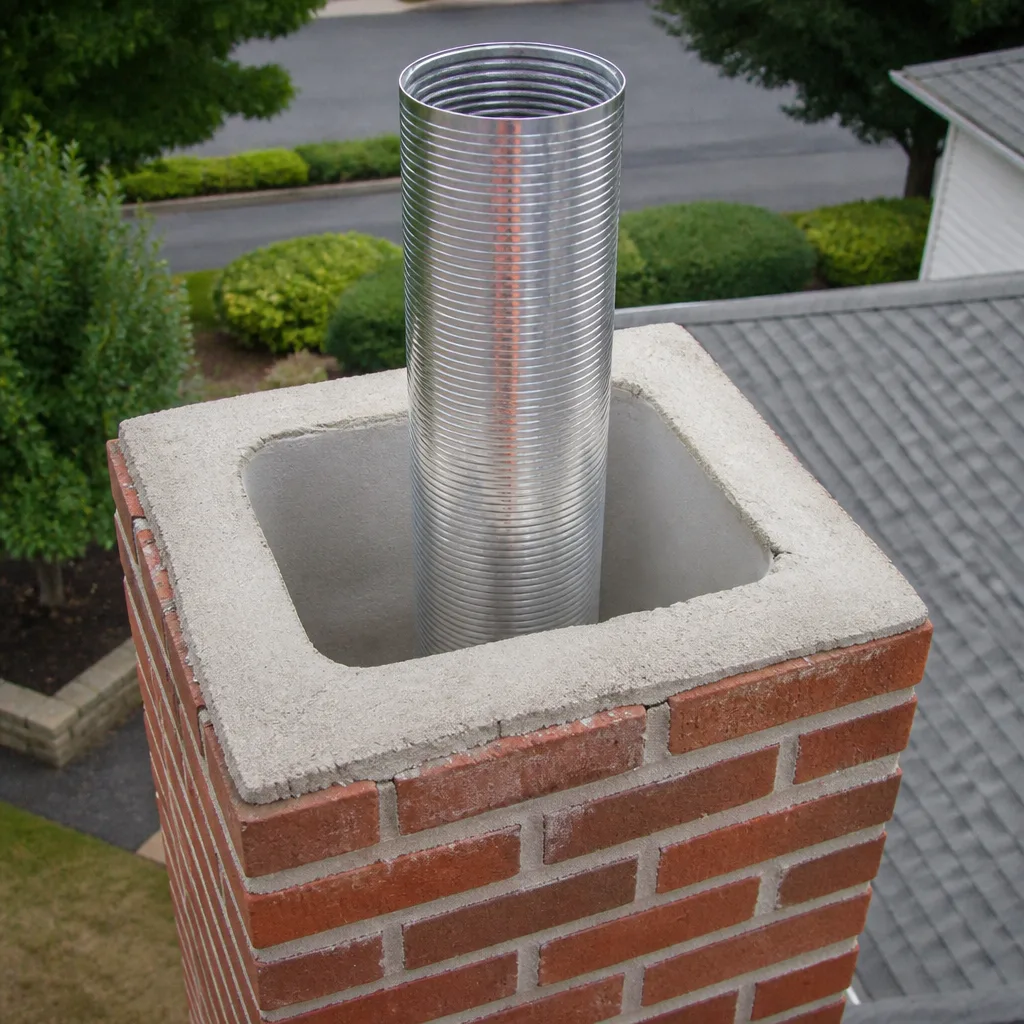 Flue relining
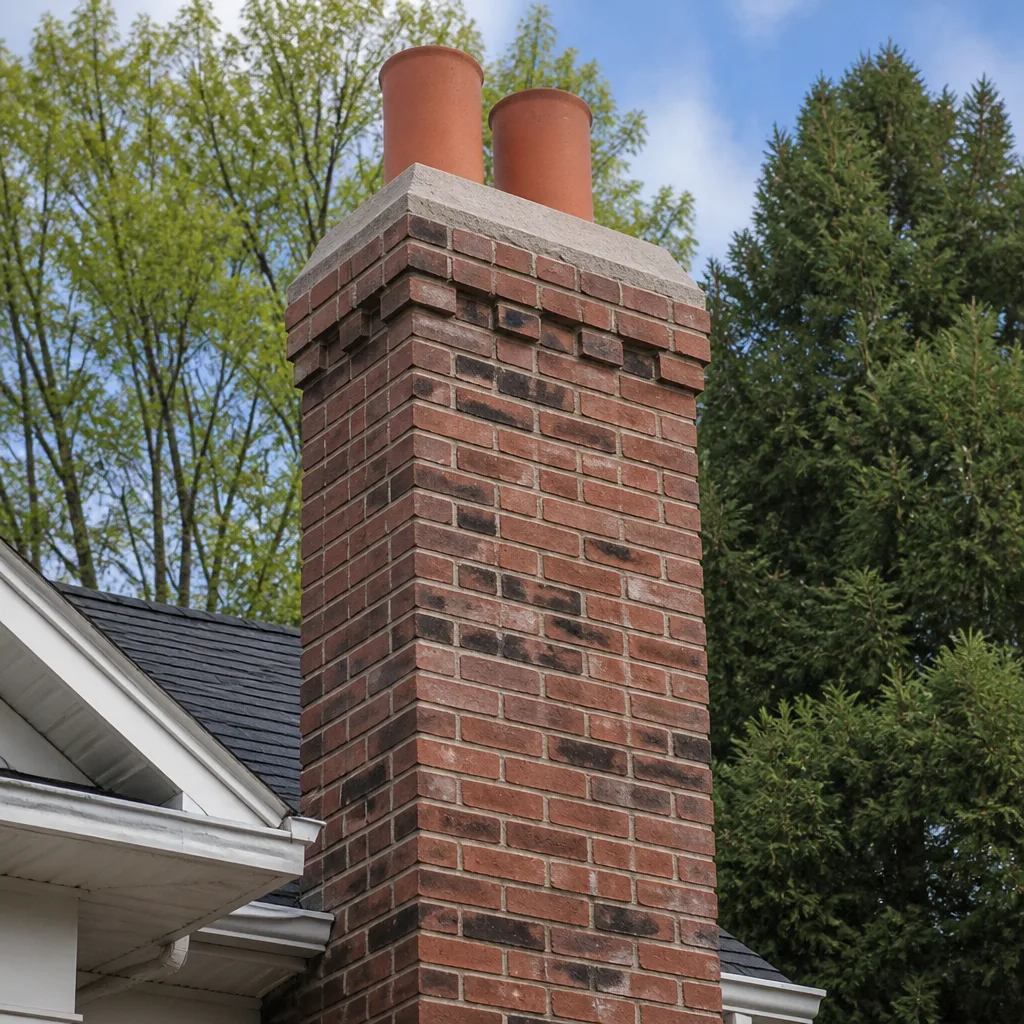 Masonry repair
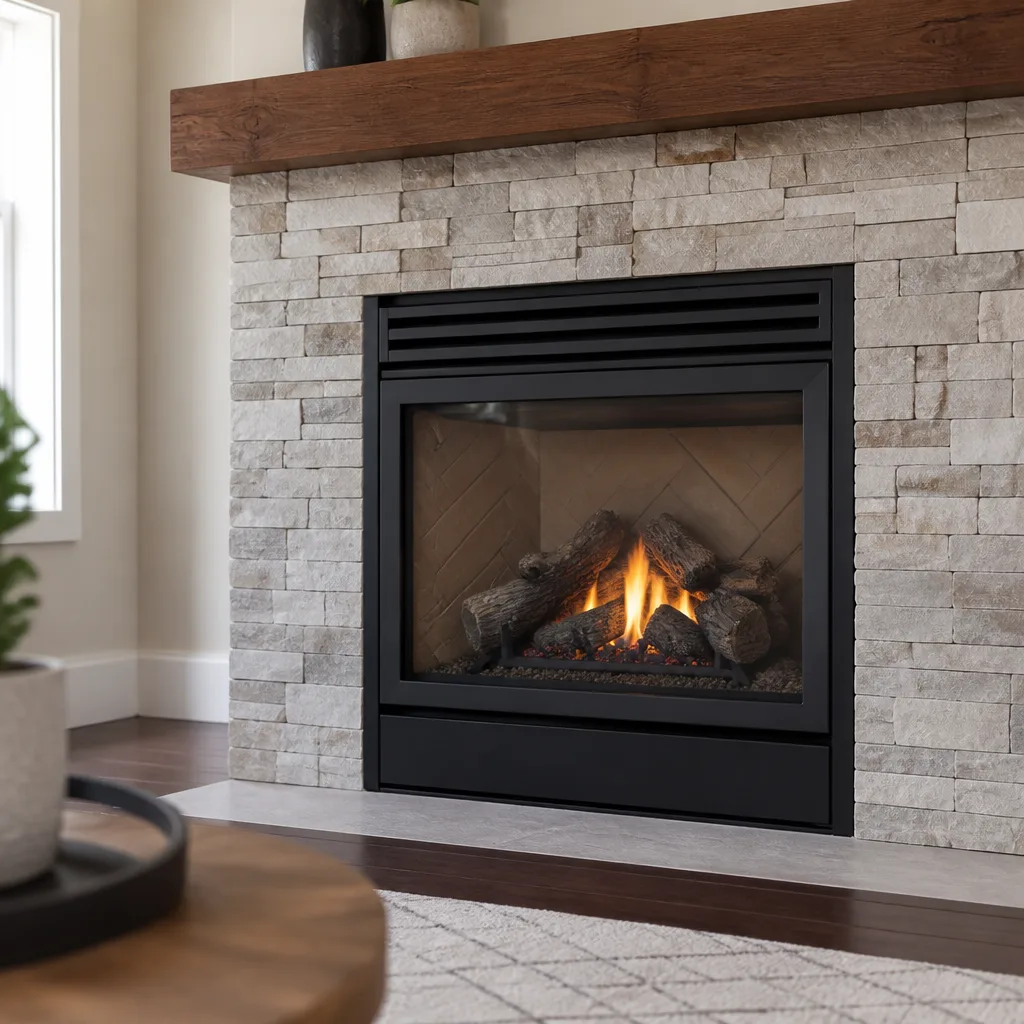 Gas fireplace service
Level 1 sweep and inspection to the NFPA 211 annual standard - flue, crown, cap, and flashing checked and photographed
Chimney sweep logs do not sweep chimneys. They loosen some creosote - which then falls where a brush and vacuum still have to collect it.
Seasonal Chimney Cleaning Care for Sacramento: Year-Round Homeowner’s Guide
The worst time to discover your chimney cap has a gap isn’t November when you first light a fire. It’s September, after five months of 100-degree Sacramento days have warped the metal, cracked the sealant, and invited a family of raccoons or a swarm of bees to move into the flue. Most chimney maintenance advice you’ll find online follows a four-season model built for places like Ohio or Pennsylvania. Sacramento doesn’t work that way. Our climate splits the year into two distinct seasons, each carrying its own chimney risks, and caring for a chimney here on a national calendar leaves it vulnerable at exactly the moments it needs attention most. This guide explains what to do, when to do it, and why Sacramento’s calendar demands a different rhythm. We’ll cover the heat-and-pest season, the moisture-and-burn season, exactly what a seasonal chimney sweep in Sacramento involves, and what you can do yourself in fifteen minutes that prevents most of the problems we get called for in December.
Styles & brands we work with
Quick Answer
Sacramento homeowners should have their chimney professionally swept and inspected once a year, ideally between August and early October, rather than in the spring as national guides often suggest. The city’s hot, dry summers and cool, damp winters create a two-season risk pattern: a heat-and-pest season from May through October that brings bee swarms, bird nesting, and raccoon occupation, and a moisture-and-burn season from November through April shaped by tule fog and frequent fireplace use. A late-summer sweep removes summer pest debris, catches wildlife entry gaps before fall rains begin, and puts the chimney in clean, ready condition before the first fire. Most standard chimney sweeps in Sacramento run between $180 and $340, depending on the chimney’s condition and accessibility.
Table of Contents
- Sacramento’s Two-Season Chimney Calendar: Why National Advice Misses the Mark
- The Heat-and-Pest Season (May – October): What Actually Happens Up There
- The Moisture-and-Burn Season (November – April): Fog, Fire, and Masonry
- Why Late-Summer Sweeps Beat Spring Cleaning in Sacramento
- Seasonal Pest Risks in Sacramento Chimneys: Bees, Swallows, and Raccoons
- The 15-Minute Off-Season Fireplace Preservation Routine
- What a Seasonal Chimney Sweep in Sacramento Actually Includes
- Common Mistakes to Avoid
- When to Call a Professional
- Frequently Asked Questions
- The Bottom Line
Sacramento’s Two-Season Chimney Calendar: Why National Advice Misses the Mark
Sacramento sits in a hot-summer Mediterranean climate zone, which is a polite way of saying we get five months of dry heat followed by five months of cool, occasionally foggy dampness, with a couple of transition weeks in between. The city’s annual rainfall averages around eighteen inches, but nearly all of it falls between November and March. Summer temperatures routinely exceed 95 degrees from June through September, and the air stays bone-dry through October.
This pattern does two things to a chimney that most national seasonal guides never account for.
First, prolonged heat and zero rain mean chimney caps, flashing, and crown sealant bake under direct sun for months. Metal expands and contracts daily. Sealant dries, cracks, and pulls away from the brick. By September, gaps that didn’t exist in April are wide enough for a bird to squeeze through or for winter rain to find.
Second, Sacramento’s wet season arrives not as gradual fall showers but as a hard switch. The first significant storm usually lands in November, right when tule fog starts settling nightly into the Valley. A chimney that was fine in August, when temperatures were still in the 90s, can be actively leaking water into the firebox by Thanksgiving.
National advice says sweep in the spring, after burning season ends. In Sacramento, that timing leaves the chimney uncovered and unswept through the entire heat-and-pest season, and sends you into the first rain with whatever damage five months of sun and wildlife have produced. The Chimney Sweep in Sacramento schedule that actually fits this climate is late summer to early fall: sweep after the heat damage has peaked, before the rain and the first fire arrive.
The Heat-and-Pest Season (May – October): What Actually Happens Up There
From May through October, the two forces acting on Sacramento chimneys are ultraviolet radiation and wildlife. Both are relentless, and both are invisible until they produce a visible problem inside the house.
Heat stress on chimney components. Sacramento regularly sees stretches of 100-plus degree days in July and August. Chimney caps, which are usually galvanized or stainless steel, expand and contract with each daily temperature swing. Over a single summer, this thermal cycling can loosen the cap’s mounting screws and crack the caulk or sealant where the cap meets the flue tile. Once that seal is compromised, the cap rattles in wind and water can slip between the cap and the tile. We regularly see this in older Sacramento neighborhoods like East Sacramento and Land Park, where original 1950s and 1960s chimneys have spent decades accumulating summer heat damage.
Wildlife pressure. The Sacramento Valley is a major flyway, and our chimneys sit directly in it. Swallows begin nesting in April and May. Bee swarms search for new cavities in May and June and find uncapped flues attractive. Raccoons, which are abundant along the American River Parkway, start scouting for winter den sites in September. Any of these can block a flue, fill it with flammable nesting material, or introduce parasites and odor.
Creosote behavior in heat. Creosote doesn’t dissolve in summer heat, but it does harden. The tarry, sticky creosote deposited during winter fires bakes into a brittle, shiny glaze under months of summer sun beating on the chimney exterior. Third-degree glazed creosote is the most difficult form to remove and the most likely to sustain a chimney fire. A spring sweep removes it while it’s still relatively fresh and soft. Waiting until November means the sweep is working against five months of heat-cured creosote that has become significantly harder to break free from the flue walls.
Connect a Chimney Inspection in Sacramento to this season by scheduling it in September: after summer’s heat and pest pressure have done their worst, and before rain or fire put the chimney under active load.
The Moisture-and-Burn Season (November – April): Fog, Fire, and Masonry
Sacramento’s winter season is not harsh by national standards, but it is persistently damp in ways that matter specifically to masonry.
Tule fog and masonry moisture. From November through January, tule fog settles into the Central Valley nightly and often doesn’t lift until midday. The relative humidity inside the fog layer runs above 90 percent. Brick and mortar are porous. They absorb atmospheric moisture during these foggy stretches, and they do so more readily when the masonry is already compromised by small cracks and spalling from summer heat. When nighttime temperatures drop near freezing, which happens multiple times most Sacramento winters, that absorbed water freezes and expands. Each freeze-thaw cycle widens existing cracks by a fraction of a millimeter. Over one winter, the effect is minor. Over five Sacramento winters with uncorrected mortar joints, the chimney face can begin to shed brick and mortar chunks.
Burn-season deposits. A fireplace in regular use from November through February will deposit a fresh layer of creosote every two to four weeks of burning, depending on wood quality and fire temperature. Sacramento’s winter air is often still and cool, which means many homeowners burn fires lower and slower than they should, producing cooler flue gas and more creosote deposition. A chimney swept in October will have a meaningful creosote layer by mid-January if the fireplace is burned three or more nights per week.
Rain exposure. Sacramento’s average annual rainfall is concentrated between November and March, with January typically the wettest month. A chimney with a failed cap seal, a cracked crown, or a missing rain cap funnels water directly down the flue. That water hits the firebox, dampens the damper, and in masonry fireplaces can seep into the smoke shelf and down into the firebox walls. The damage from one wet Sacramento winter often costs more to repair than a decade of annual sweeps, especially if the water reaches the point where Fireplace Repair in Sacramento becomes a structural job rather than a surface fix.
The practical sequence for this season: sweep and inspect in September or early October, burn safely through winter, and then schedule a quick visual recheck in February or March if you’ve burned heavily, especially if you’ve noticed any new odor, smoke spillage, or moisture in the firebox.
Why Late-Summer Sweeps Beat Spring Cleaning in Sacramento
National chimney organizations tend to recommend spring sweeping because in cold climates, the burning season ends in March or April and the chimney sits idle for six months. Sweeping in spring removes the winter’s creosote while it’s soft and leaves the chimney clean for the summer idle period.
In Sacramento, that logic breaks down at three points.
- Spring sweeps leave the chimney exposed through the entire pest season. The single most common problem we find on Sacramento chimneys is wildlife entry. A spring sweep confirms the chimney is clean, but it doesn’t protect the flue from the bee swarms, swallow nesting, and raccoon occupation that follow in May through September. A chimney swept in April and re-inspected never is no better protected than one swept twelve months before.
- Summer heat undoes cap and crown work. If we seal a crown or re-caulk a cap in April, that work endures five months of Sacramento sun before the first rain tests it. The same repair done in September has to survive only a few weeks before winter’s moisture gives it the first real test, and it does so with fresh product at full bond strength.
- Creosote hardens over summer. A light creosote layer left from winter fires is much easier to remove in October than in April of the following year, after a full Sacramento summer has baked it to a hard glaze. Late-summer sweeping catches creosote at the end of its softest phase, removes the summer’s pest pressure, and confirms the cap and crown are rain-ready.
Sweeping in August or September is the single highest-value timing decision a Sacramento homeowner can make for their chimney. It aligns the sweep with the local risk calendar, not a national calendar built for different weather.
Seasonal Pest Risks in Sacramento Chimneys: Bees, Swallows, and Raccoons
Sacramento’s chimney pest calendar is more active and more varied than most homeowners realize, and each pest presents a different seasonal signature.
Bee swarms: May and June
Honeybee colonies divide in late spring, and a swarm searches for a dark, protected cavity to establish a new hive. An uncapped chimney flue is exactly that. A bee colony inside a chimney can deposit comb weighing twenty to forty pounds, depending on how long it goes unnoticed. Comb is flammable wax. The colony also attracts ants and rodents to the chimney chase. What we can tell you from experience: a small spring gap in a rain cap is enough. A swarm doesn’t need the flue wide open; it needs a hole about the size of a quarter.
Cliff and barn swallows: April through August
Swallows build mud nests, and chimney caps with open sides or missing mesh screens offer exactly the temperature-stable, predator-protected cavity they prefer. Swallow nests are federally protected once eggs are laid, which means removal must wait until the nesting season ends. That protection is good for the birds and complicated for the homeowner. A chimney with an active swallow nest cannot be safely swept until the nest is unoccupied, which is usually August or September. This is one more reason the late-summer sweep is the right Sacramento calendar slot.
Raccoons: September through November
Raccoons den in chimneys in early fall, especially along the American River and in neighborhoods like River Park and South Land Park where mature trees provide canopy access to rooftops. A raccoon in a flue is a different problem from a bird: raccoons are heavy, they can damage dampers and flue tiles, and they leave behind waste that carries parasites. Raccoons are classified as furbearing mammals by the California Department of Fish and Wildlife and cannot be trapped or relocated without a permit. Getting one out of a chimney usually means an eviction strategy, and that works best before the animal has fully established a den.
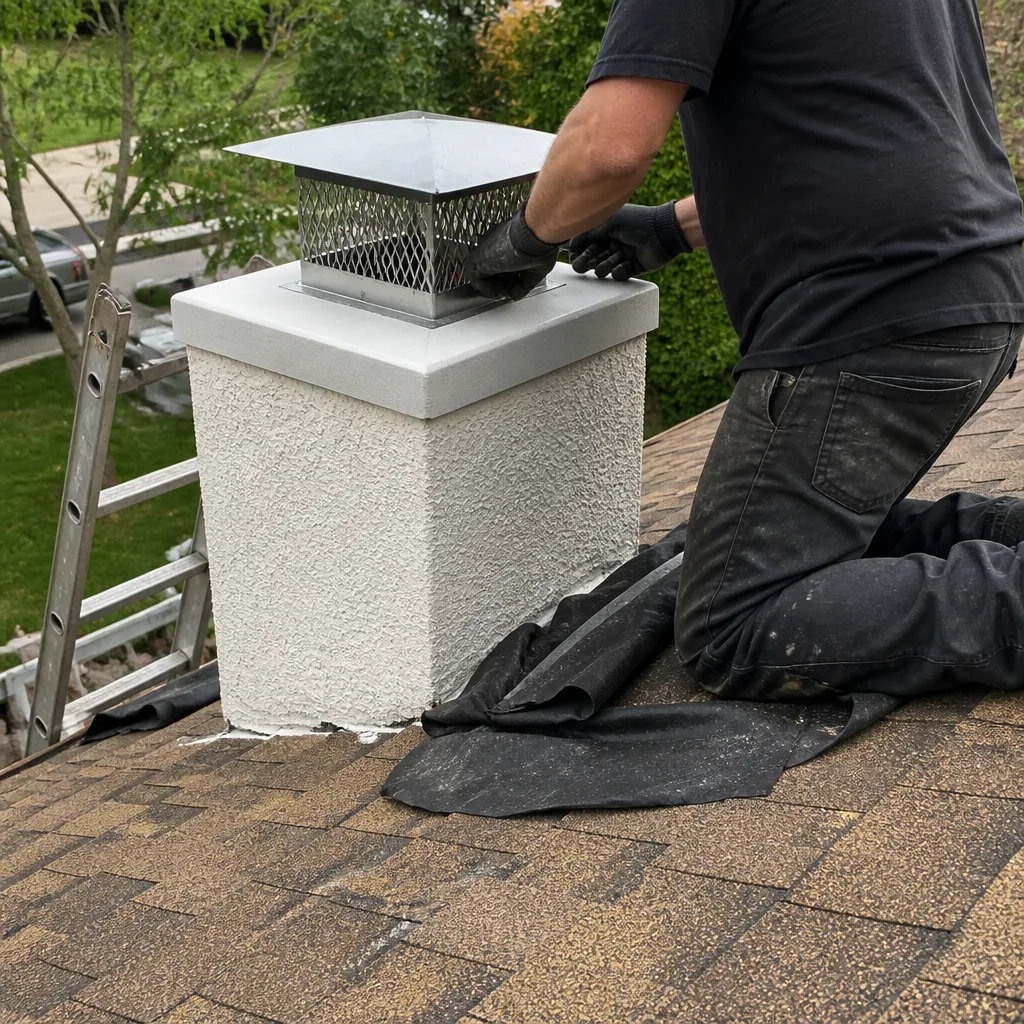
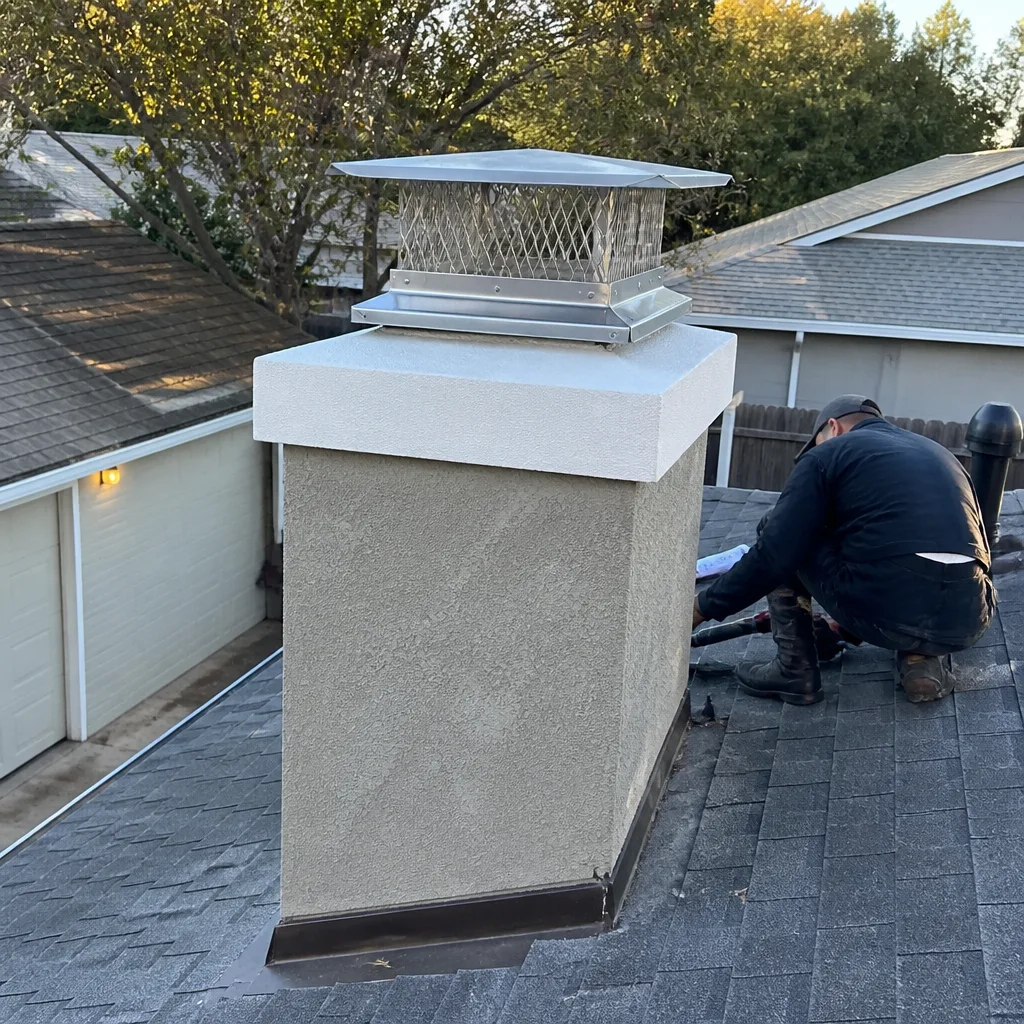
What ties all three together: a solid cap with intact side mesh, installed or repaired during a late-summer sweep, prevents most of next year’s pest season before it begins. Our technicians inspect caps as part of every Chimney Inspection in Sacramento, and we tell homeowners plainly when a cap is fine and when it isn’t.
The 15-Minute Off-Season Fireplace Preservation Routine
The off-season in Sacramento is roughly May through October for most fireplaces, though some families keep a gas log set in year-round service. If your fireplace will sit idle over the summer, there’s a short routine that prevents the majority of the problems we see in fall.
This takes about fifteen minutes and requires no tools beyond a flashlight and a phone camera.
- Close the damper completely. An open damper in summer lets warm chimney air descend into the house and, more importantly, gives pests a direct passage into the living space. If the damper doesn’t close tightly, make a note. A warped or corroded damper is one of the most common findings in fall inspections.
- Visually check the cap from the ground. Stand in the yard and look at the top of the chimney. If you can see light through it, or if the cap is tilted, missing, or obviously rusted through at the corners, that’s a call. Gaps in a cap are how bees and swallows get in.
- Clean the firebox. Remove leftover ash and any unburned wood. Wood stored in the firebox over summer attracts rodents and absorbs Sacramento’s winter dampness, which means the first fall fire burns smoky and cooler than it should. A clean firebox also lets you spot any new water streaks or staining on the firebox walls.
- Leave the glass doors open a half inch. If your fireplace has glass doors, leave them slightly ajar to allow air circulation through the firebox without letting the damper open. This prevents mustiness without inviting pests in past a closed damper.
- Take a phone photo of the firebox and the damper. When fall arrives, compare. A change in water staining, rust, or odor between May and September tells you something happened during the summer, and it’s easier to diagnose with a before-and-after reference.
For homes with kids and pets, this routine matters beyond chimney mechanics. A clean firebox means no ash dust migrating into the room when the kids play nearby, and a closed damper means no surprise bee or bat finding its way into the living room in July.
What a Seasonal Chimney Sweep in Sacramento Actually Includes
Homeowners understandably want to know what they’re paying for, and a chimney sweep in Sacramento isn’t just a brush up the flue. Here’s what a proper sweep involves.
Protection before any work starts. In our crews, shoe covers and drop cloths go down before equipment comes in from the truck. The area around the hearth is covered floor-to-fireplace, and anything within the work radius is moved only with the homeowner’s permission. This matters because Sacramento homes run on hard surfaces: tile, engineered wood, and older oak parquet in neighborhoods like Curtis Park and Tahoe Park. Soot on any of these is a permanent stain.
The sweep itself. The flue is brushed from either the top or the firebox, depending on access and the type of fireplace. The goal is removal of creosote, soot, and any pest debris from the flue walls, smoke shelf, and damper. The level of creosote determines the approach: light buildup comes out with standard brushing; glazed third-degree creosote may require mechanical removal with specialized tools. This is why the late-summer timing matters, since heat-cured creosote is significantly harder to remove.
The inspection. No sweep in Sacramento should happen without an inspection. The technician checks the cap and screen, the flue liner for cracks and separations, the damper for function and corrosion, the smoke shelf and firebox for moisture damage, and the exterior masonry for spalling brick and deteriorated mortar joints up on the roof. We photograph the interior of the flue with a camera and review those photos with the homeowner. Nothing is ever recommended without visual evidence the homeowner can see.
The clean-up, documented. After the job, the workspace is returned to the condition it was found in, and a photo of the clean-up is taken before the crew leaves. That’s the Cedarwell Care Promise in practice: the floor is clean, the furniture is back where it belongs, and there’s a record of the work.
The products used on the home’s interior include pet-safe options where there’s a choice, because Sacramento families with dogs and cats shouldn’t have to worry about what residues a chimney crew left behind. Professional-grade repair materials we use when work is needed come from brands including Copperfield, Famco, and DuraFlex, chosen because they’re built for long service life, not a quick fix.
Homeowners looking for a Kindling Chimney Sacramento home service experience of this standard can expect a straightforward process: call, get a written price before work begins, and a crew that follows the C.A.R.E. values on every visit.
Common Mistakes to Avoid
- Sweeping in spring and skipping fall entirely. Sacramento’s weather punishes this more than any other single decision. A spring sweep leaves the chimney uncleaned and uninspected through the entire heat-and-pest season, and the first fall fire arrives with five months of accumulated wildlife debris and heat-cured creosote.
- Burning wet or unseasoned wood. Sacramento’s firewood market sells a lot of oak and almond, and both need at least twelve months of covered seasoning after splitting. Burning wood above twenty percent moisture content produces cool, smoky fires that deposit creosote two to three times faster than properly seasoned wood. Green wood also produces more visible smoke, which is a nuisance for close-set neighborhoods like Midtown.
- Ignoring a small cap gap because “it’s just a tiny hole.” A quarter-inch gap at the cap is enough for a bee swarm, and a one-inch gap is enough for a raccoon to start working at. Small cap problems are inexpensive to fix in September and expensive to ignore until they become a raccoon eviction or a colonized hive.
- Assuming a gas log set means the chimney never needs sweeping. Gas logs burn clean, but the flue still serves as an exhaust path. If the cap is damaged, the flue still hosts pests, and if the home has a conversion from wood-burning with old creosote in the flue, gas heat can cause that creosote to break down into a flammable state. Gas chimneys still need annual inspection.
- Waiting until the first cold snap to schedule a sweep. Sacramento doesn’t get bitter cold, but the first January fog run sends everyone to their fireplaces the same week, and the call volume spikes. Scheduling in September gives you choice of appointment window and identifies repair needs before the first burn, when parts and scheduling are both tight.
- Skipping the visual check because “we don’t use the fireplace much.” The fireplace’s usage rate doesn’t matter to the pests that choose it as housing, or to the water that finds a cap gap in the first storm. Unused chimneys still need caps, crowns, and flashing maintained.
- Not asking to see the photos from the camera inspection. Any reputable sweep in Sacramento can show you the inside of your flue. If a company recommends a liner replacement without offering photographic evidence, get a second opinion. You should be able to see the problem with your own eyes.
When to Call a Professional
Some chimney situations are fine to handle with the off-season routine above. Others need a trained technician. Call a professional if you notice water pooling in the bottom of the firebox, a strong smoky odor in the room when the fireplace is not in use, visible cracking or spalling on the exterior chimney face, pieces of brick or mortar in the yard, or any sign of animal activity such as droppings, nesting material, or noise coming from the flue. A chimney that hasn’t been swept in more than two years should also be inspected before the next burn, regardless of how it looks from the ground. If you’re unsure whether it’s time, our Chimney Cleaning Warning Signs: A Sacramento Homeowner’s Reference Guide covers the key indicators. Kindling Chimney Sacramento offers free estimates in Sacramento, and the process starts with a call, a written price, and no pressure to commit on the spot. Call (279) 243-2173 to schedule.
Frequently Asked Questions
A chimney should be swept and inspected once per year in Sacramento, regardless of how often the fireplace is used. For most homes, the ideal window is late summer to early fall, between August and early October, because that timing catches summer’s heat damage and pest activity before the rainy season and burning season begin. If the fireplace is used more than three nights per week during winter, a mid-winter visual check is a reasonable addition. Call (279) 243-2173 for a free estimate and we’ll help you figure out the right cadence for your fireplace.
Most standard chimney sweeps in Sacramento run between $180 and $340, depending on the chimney’s height, the amount of creosote buildup, and whether the flue is accessible from the roof or only from inside. Regulations and permit requirements can also affect the scope of work; our Chimney Cleaning Permits, Codes & Inspections in CA: What You Need to Know explains what applies in California. A sweep with inspection is at the upper end of that range, and repair work, if any is found, is quoted separately. Kindling Chimney Sacramento gives every homeowner a written price before any work begins, so the number you’re quoted is the number you pay. Call (279) 243-2173 for a free estimate.
Not necessarily, and you shouldn’t accept a liner replacement recommendation without seeing the evidence. Liners need replacement when they are cracked, separated, or missing sections, which allows flue gases to leak into the chimney’s interior structure. Our technicians use a camera inspection on every visit and review the photos with you, so if a liner is needed, you’ll see the crack or separation yourself. If a liner is sound, we’ll tell you it’s sound. Call (279) 243-2173 to schedule an inspection if you’ve been told the liner needs work and want a second set of eyes.
Two Sacramento-specific things happen. First, creosote accumulates and then hardens under summer heat, which makes it more difficult and more expensive to remove when you eventually schedule the sweep. Second, a year or two of summer heat and winter fog cycles can turn a small cap gap or mortar crack into a water intrusion problem or a wildlife entry point. The cost of routine sweeping is small compared to the cost of raccoon eviction, a bee removal, or water damage inside the firebox. Call (279) 243-2173 and we’ll give you a written price to get things back in order.
You can, technically, but for most Sacramento homeowners it isn’t the right call. Chimney sweeping requires a roof access point, a properly sized brush, a vacuum with a fine-particle filter, and the knowledge to recognize signs of hidden damage while working. The homeowner doing it themselves typically gets a partially cleaned flue and no inspection of the cap, crown, or flashing, which is where most Sacramento chimney problems begin. We believe in honest disclosure of what a chimney needs, and sometimes that means telling a homeowner their chimney is fine and doesn’t need a sweep this year. Call (279) 243-2173 if you want that kind of assessment.
September is the best month for most Sacramento homes. It’s late enough that the peak summer heat has finished doing whatever damage it will do to the cap and crown, early enough that the technician can fix anything found before the first fall storm, and ahead of the November-through-February burning season. It’s also after the swallow nesting window has closed for the year, which simplifies the legal and practical considerations of removing nests. Call (279) 243-2173 for a free estimate and we’ll slot you in.
The Bottom Line
Sacramento’s chimney calendar runs on a two-season rhythm: a heat-and-pest season that stretches from May through October, and a moisture-and-burn season that runs from November through April. The care schedule that fits this climate is a late-summer sweep, ideally August or September, paired with a simple off-season routine that keeps the damper closed, the firebox clean, and the cap checked. Annual sweeping in Sacramento costs between $180 and $340 for most homes, and it’s the cheapest insurance against the water and wildlife problems that dominate fall service calls. For more guides & resources on keeping your chimney safe through both seasons, explore the rest of our blog. The goal is a chimney that’s clean, dry, and pest-free the day you light the first fire, and that’s entirely achievable with the right timing.
Written by Danny Cortes, Owner at Kindling Chimney Sacramento, serving Sacramento since 2003.
See the difference
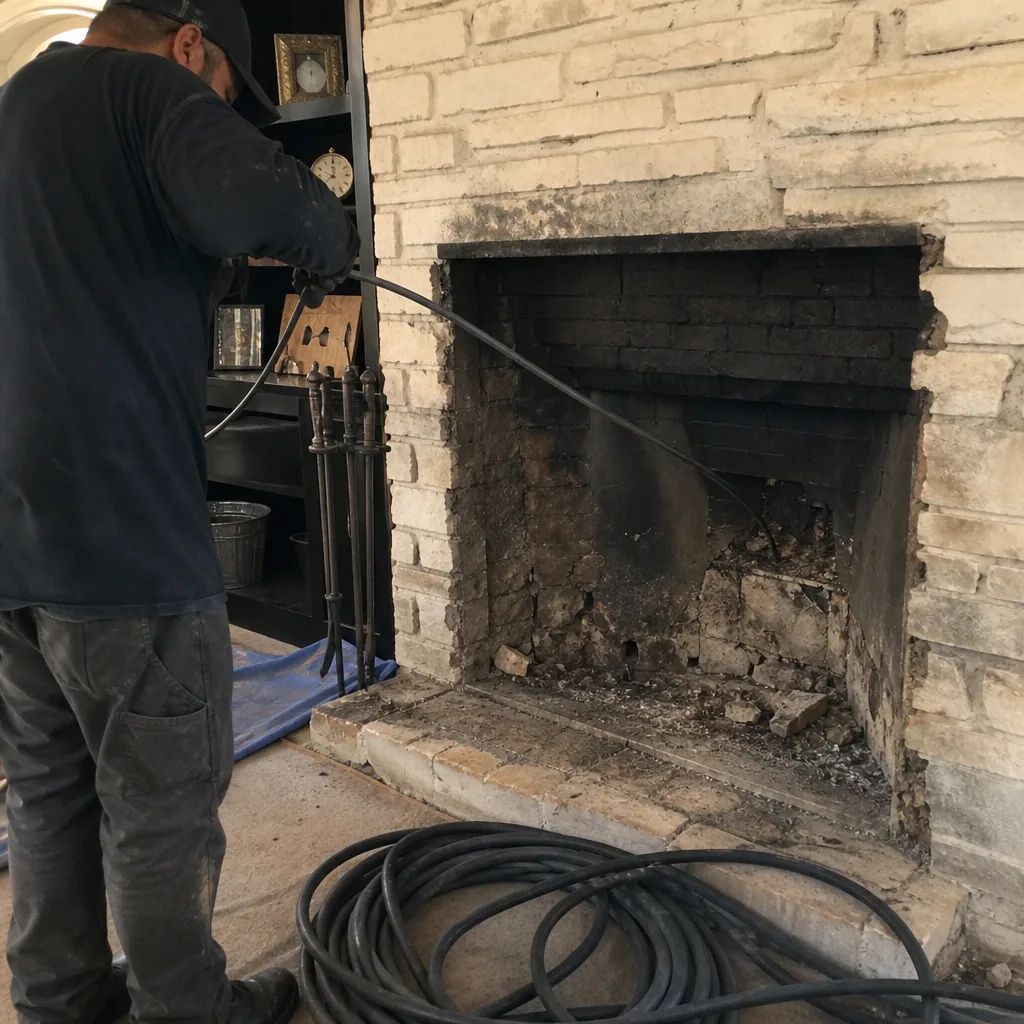 Before
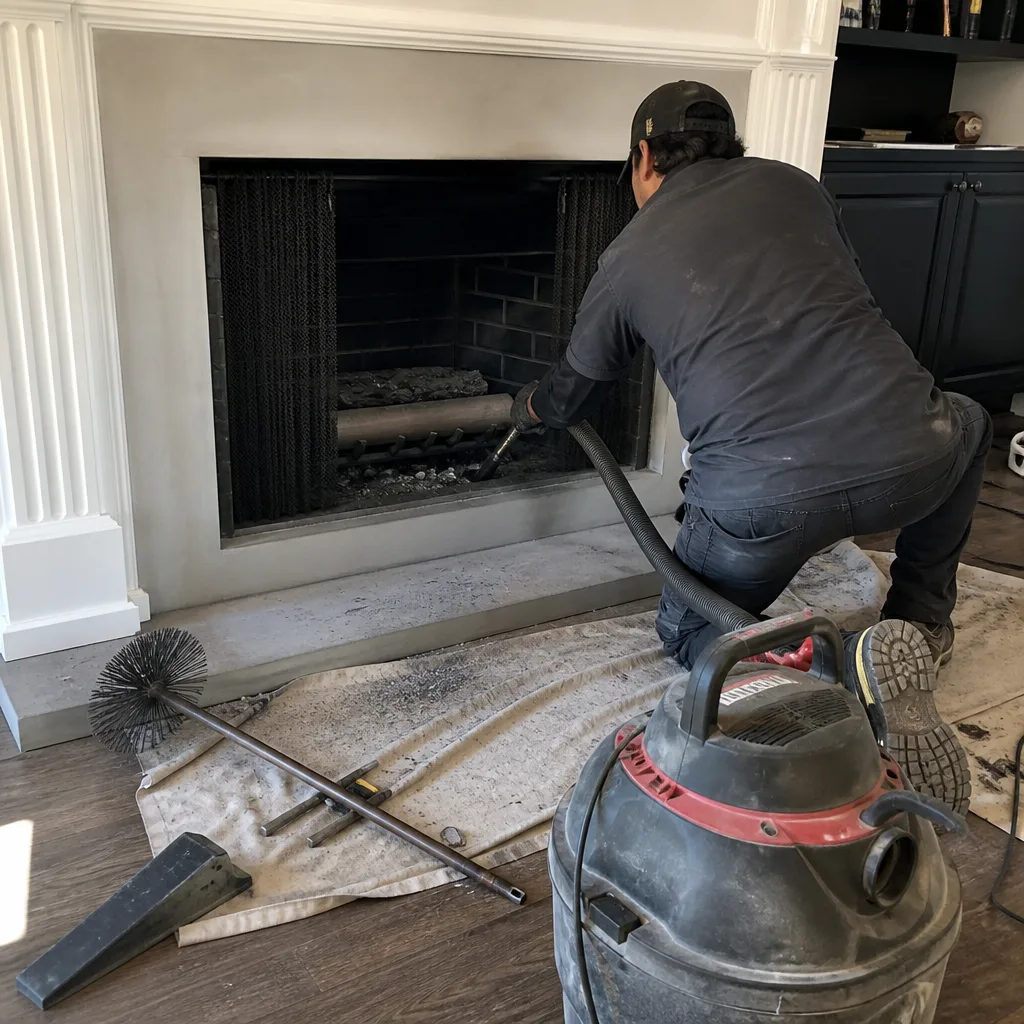 After
After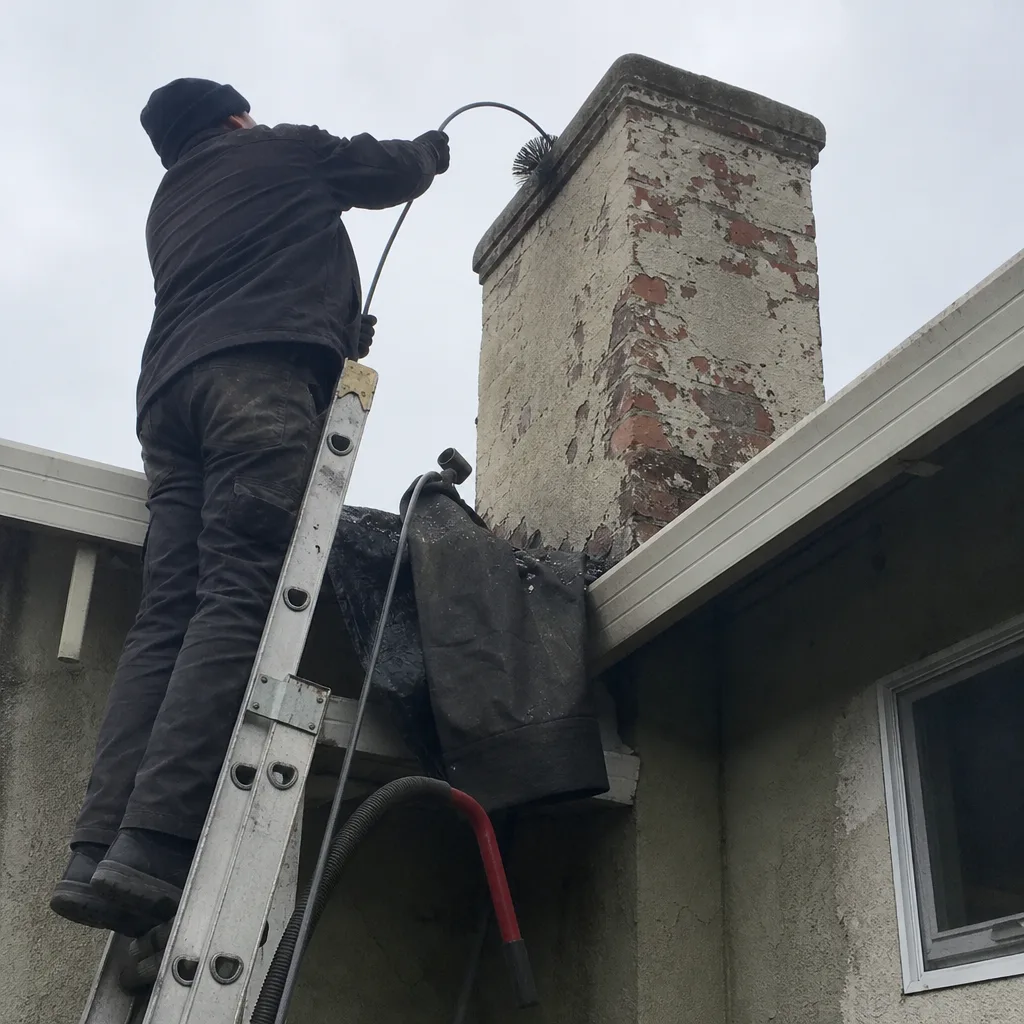 Before
 After
After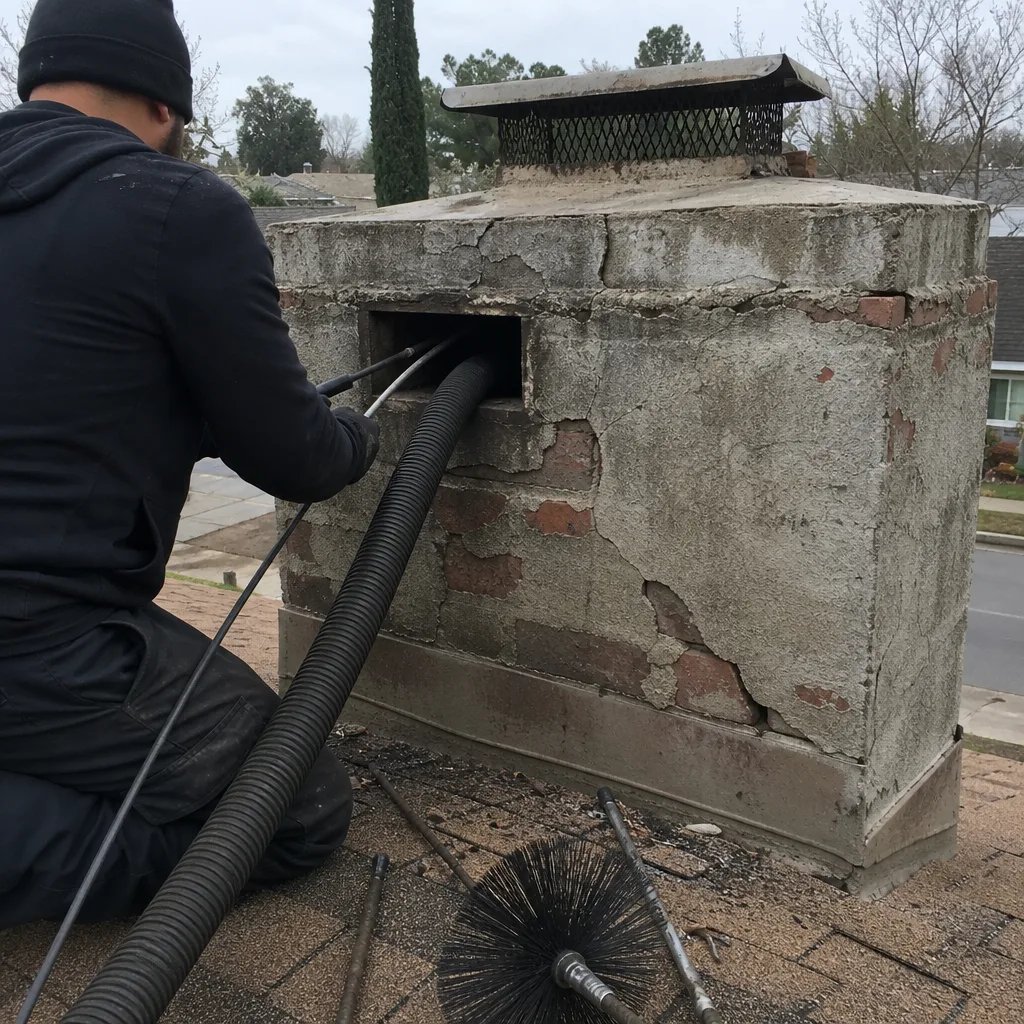 Before
 After
After