
Last updated October 15, 2026
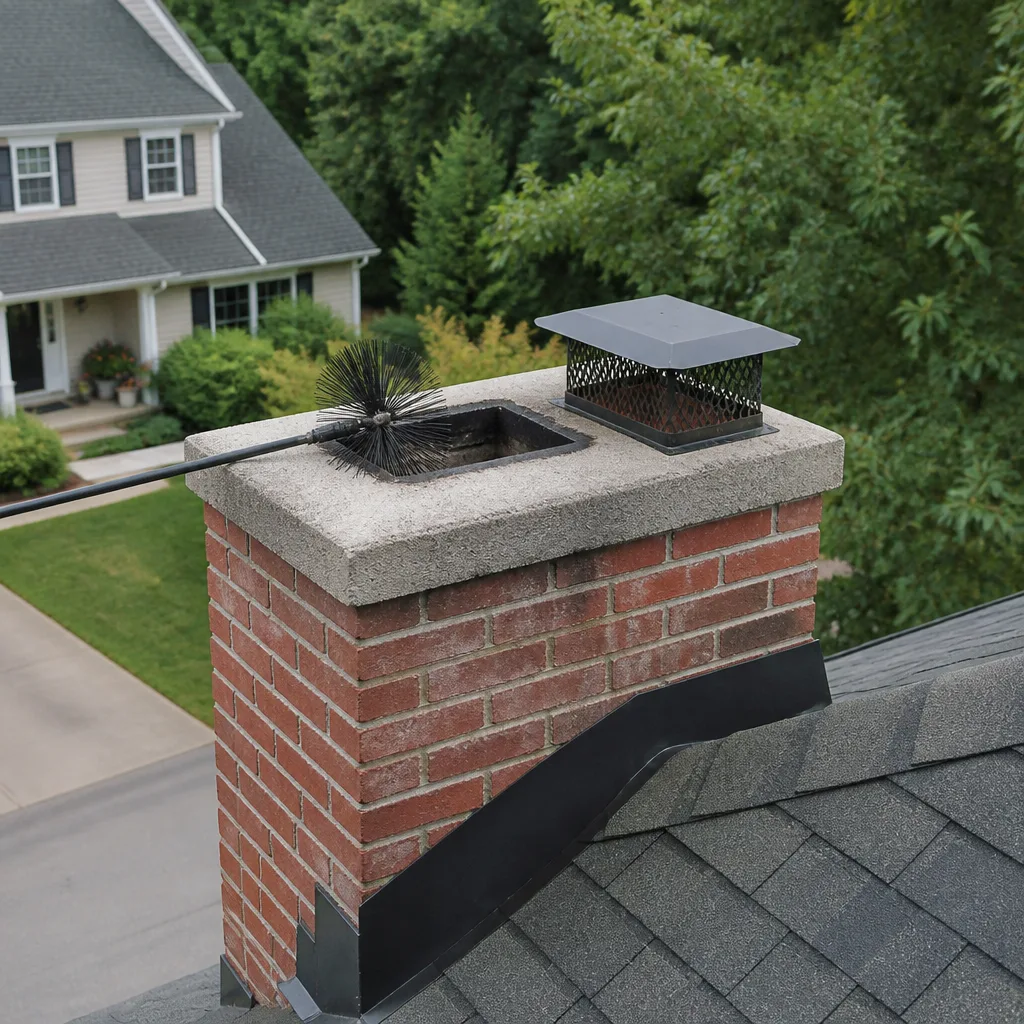 Sweep & inspection
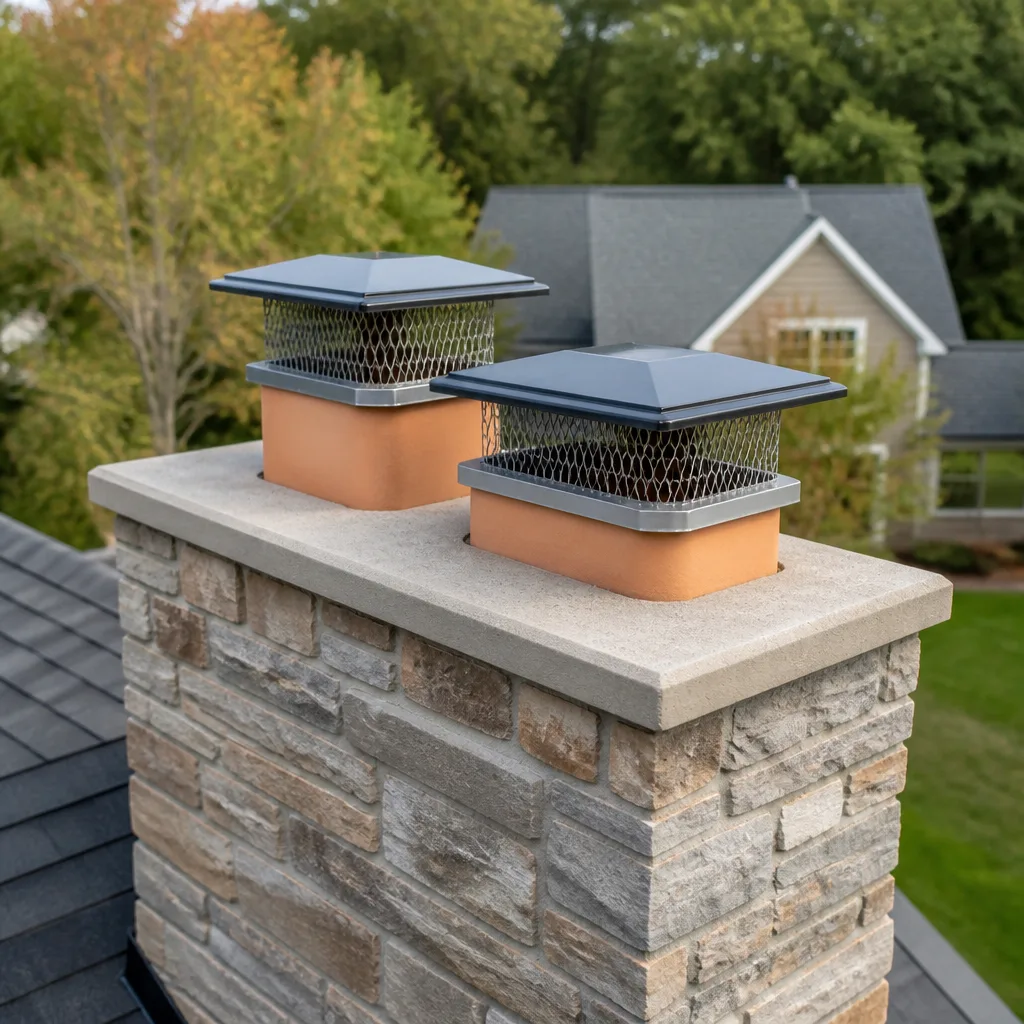 Caps & crowns
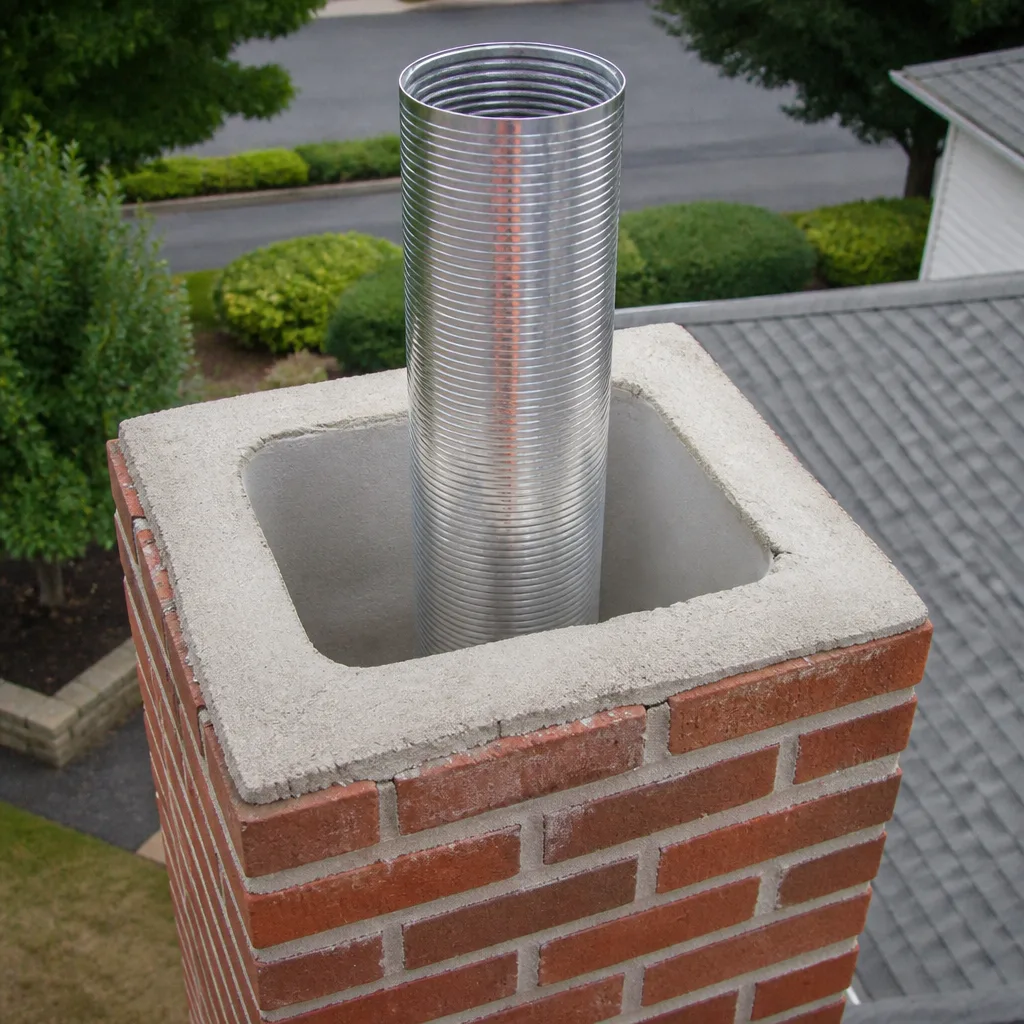 Flue relining
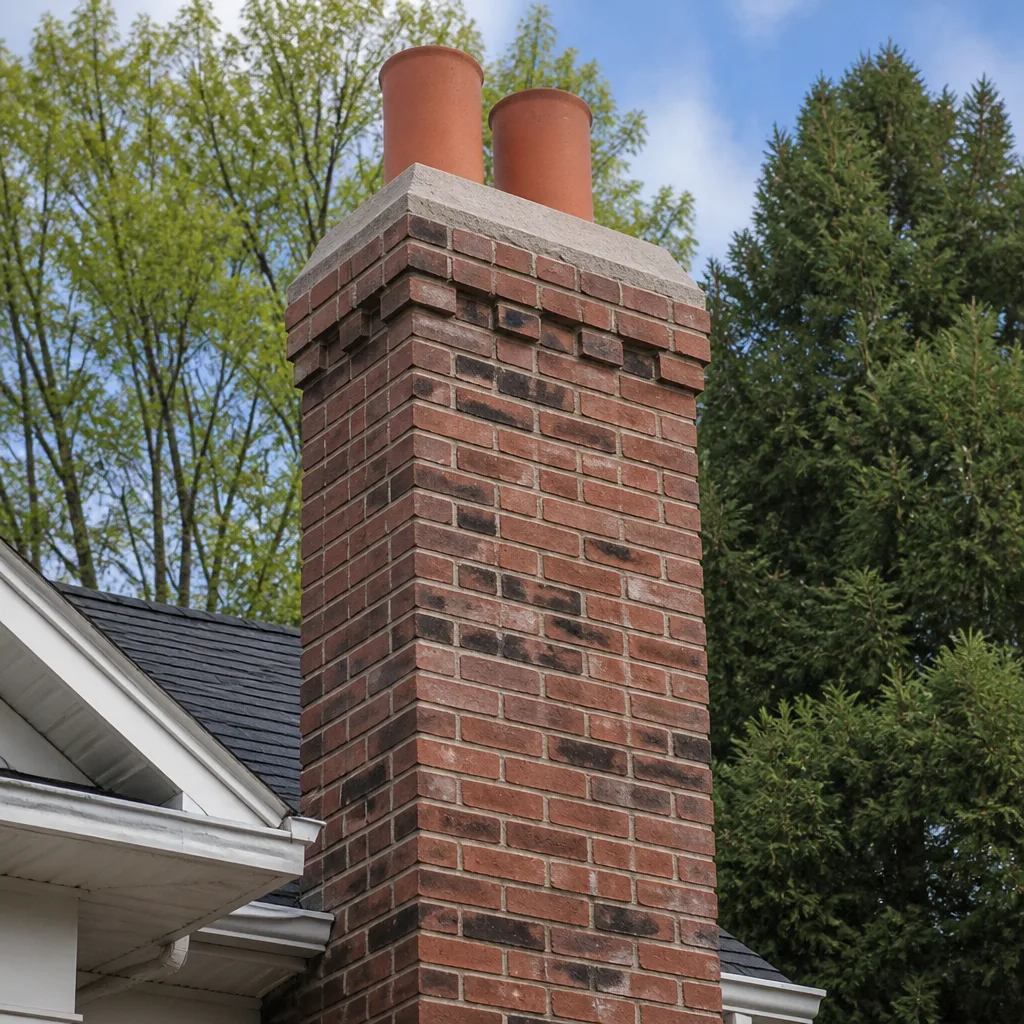 Masonry repair
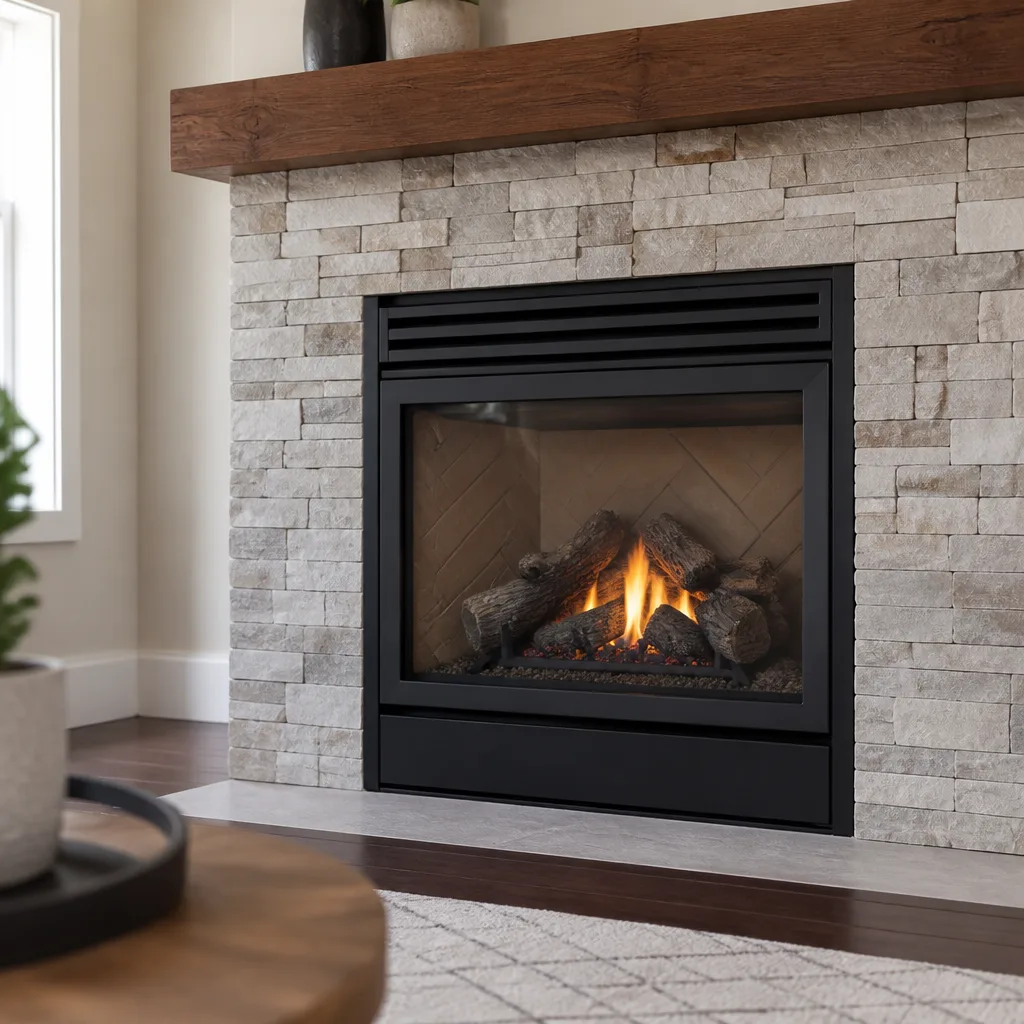 Gas fireplace service
Level 1 sweep and inspection to the NFPA 211 annual standard - flue, crown, cap, and flashing checked and photographed
Chimney sweep logs do not sweep chimneys. They loosen some creosote - which then falls where a brush and vacuum still have to collect it.
Chimney Cleaning Permits, Codes & Inspections in CA: What You Need to Know
A routine chimney sweep costs somewhere between $189 and $329 in Sacramento, takes about an hour, and in the vast majority of cases requires no permit and no government inspection whatsoever. But tucked inside that same visit is a hard truth most Sacramento homeowners only learn after it triggers a bill: the moment a sweep uncovers a cracked flue liner, a failing chimney crown, or a missing spark arrestor, the conversation shifts from maintenance to modification. And in Sacramento County, modification can pull your fireplace into the orbit of building permits, Title 24 energy standards, and insurance clauses that nobody reads until a claim is denied. Our Complete Guide to Chimney Cleaning in Sacramento walks through exactly where those lines sit, what Sacramento actually enforces, and how to keep a cleaning visit from becoming a code violation you never saw coming.
Styles & brands we work with
Quick Answer
Chimney cleaning and inspection in Sacramento does not require a permit under California or Sacramento County building code. However, repairs that change, replace, or rebuild components of the chimney system (flue liners, dampers, crowns, caps, full masonry rebuilds) can require a building permit, and certain fireplace modifications must meet California Title 24 energy requirements. A permitted cleaning is straightforward; a permitted repair is where Sacramento homeowners face the real compliance burden. For help spotting trouble early, see our Chimney Cleaning Warning Signs: A Sacramento Homeowner’s Reference Guide.
Table of Contents
- When Does Chimney Work Require a Permit in Sacramento?
- What NFPA 211 Is and Why Insurance Adjusters Care
- How California Title 24 Affects Fireplace Dampers and Repairs
- Sacramento Spare-the-Air Rules and Your Fireplace
- How to Pull Your Chimney Permit History in Sacramento County
- What Unpermitted Chimney Work Means When You Sell a Sacramento Home
- What a Code-Compliant Chimney Inspection Actually Covers
- Common Mistakes to Avoid
- When to Call a Professional
- Frequently Asked Questions
- The Bottom Line
Before we dig into permit language, one thing worth stating plainly: this guide reflects how Sacramento County and the City of Sacramento apply their codes as of 2026. Codes shift. Interpretations vary between inspectors. What follows is how a chimney contractor who works in Sacramento every week sees these rules actually play out on real job sites, not just in the code book. We are a chimney sweep in Sacramento first, and part of that job is knowing where the legal lines sit.
When Does Chimney Work Require a Permit in Sacramento?
Sacramento County draws a clean line between work classified as maintenance and work classified as repair or alteration. Sweeping a flue, removing soot and creosote, running a camera inspection, and providing a written condition report all fall under maintenance. No permit. No inspection. No filing.
The permit requirement kicks in when you replace or alter a structural or functional component of the chimney system. Here is our practical field list, matched to Sacramento County’s building permit requirements:
- Chimney sweep and visual inspection: No permit required. This is routine maintenance.
- Camera inspection (Level 2): No permit required by itself. It’s diagnostic.
- Stainless steel liner installation (e.g., DuraFlex or Famco): Permit typically required. A liner is a component replacement that changes the flue system.
- HeatShield or Gelco resurfacing of an existing flue: This one depends on scope. A partial resurfacing that preserves the existing liner’s structural role may qualify as a repair under some interpretations; a full resurfacing that replaces the liner function behaves like a reline and should be permitted. We see Sacramento inspectors split on this, which is exactly why we confirm with the county before starting.
- Chimney crown rebuild: Permit typically required. It’s structural repair at the top of the flue system.
- Replacing a damper with a top-sealing damper: Permit may be required, and Title 24 compliance is triggered (see below).
- Spark arrestor or cap installation: Generally no permit required for a simple cap replacement, but a full custom cap assembly that alters the flue termination can trigger one. We have seen Sacramento inspectors wave simple cap swap work through as maintenance.
- Firebox repair (brick, mortar, firebrick replacement): Permit typically required if the firebox is being rebuilt. Minor repointing of a few joints usually passes as maintenance.
The homeowner who hears “you need a new liner” from a sweep but never gets told “and this should be permitted” is the homeowner we meet after a real estate disclosure problem or an insurance claim. More on that in the sections below.
If you are scheduling a sweep and want to know what a Sacramento technician will actually look for and document, our chimney inspection service in Sacramento covers the same inspection points we discuss here, including what triggers a repair recommendation versus a pass.
What NFPA 211 Is and Why Insurance Adjusters Care
NFPA 211 is the National Fire Protection Association’s Standard for Chimneys, Fireplaces, Vents, and Solid Fuel-Burning Appliances. It is not a California state law. It is not part of the California Building Code. It is a national consensus standard, and that distinction causes more confusion than any other topic in chimney work.
Here is how it functions in practice for a Sacramento homeowner:
- Insurance adjusters reference NFPA 211 when evaluating a claim. If a chimney fire occurs and the homeowner cannot show that the chimney was swept and inspected in accordance with NFPA 211’s guidelines, the adjuster has a plausible basis to argue negligence or lack of maintenance. We have spoken with homeowners in Sacramento after exactly this conversation.
- Inspectors use NFPA 211 language when writing correction notices. A Sacramento County inspector may not cite NFPA 211 as the enforceable code, but the defects they flag (clearances, liner condition, hearth dimensions) are described using the same language NFPA 211 defines.
- Contractors who claim “NFPA 211 certified” are describing an inspection method, not a legal credential. NFPA 211 sets the standard for what a Level 1, Level 2, and Level 3 inspection must include. A chimney company that says it performs “NFPA 211 Level 2 inspections” is telling you the scope of the inspection, not claiming a license.
The practical takeaway: NFPA 211 is the yardstick everyone uses, even though California does not adopt it as law. The standard specifies that a chimney should be swept when creosote accumulation reaches 1/8 inch, that Level 2 inspections are required when a property changes hands or a system is altered, and that solid fuel appliances need annual inspection by a qualified professional. Sacramento’s wood-burning season (roughly October through February, plus the occasional overcast spring week) makes annual inspection particularly relevant; our dry summers bake masonry, and the first few fires of fall expose cracks that developed in the heat. Stay on track with our Chimney Sweep Maintenance Checklist for Sacramento Homeowners.
We also know from scheduling calls in Sacramento that many homeowners assume a “clean chimney” means a “safe chimney.” NFPA 211 exists precisely because that assumption is false. A flue can be swept clean and still be a clearance hazard, a structural hazard, or a carbon monoxide hazard.
How California Title 24 Affects Fireplace Dampers and Repairs
California’s Title 24 energy code gets ignored in fireplace conversations more than anywhere else. Yet for any Sacramento homeowner replacing a throat damper or modifying a fireplace opening, Title 24 is the code that matters at permit time.
Here is the relevant requirement in plain English:
- Existing masonry fireplaces are not required to be retrofitted with Title 24-compliant dampers if you are not already doing permitted work on the fireplace.
- If you perform permitted work on the fireplace, a tight-sealing damper may be required. Title 24, Part 6, Section 150.0 includes requirements for fireplaces when they are part of a permitted alteration. In practical terms: replace a rusted throat damper as part of a permitted repair and the replacement damper should be a tight-sealing, gasketed unit rather than a loose metal plate. Sacramento plan reviewers have flagged this in recent years.
- New fireplace installations must meet much stricter Title 24 standards, including flue dampers that seal tightly and are listed and labeled for the application.
For the typical Sacramento homeowner with a 1960s masonry fireplace and a warped cast iron damper, the path of least resistance is simple: replace the damper as a repair, use a quality top-sealing or tight-sealing unit, and check with Sacramento County or the City of Sacramento before filing anything. Where we’ve seen homeowners get surprised: a simple damper swap got pulled into a permit process because the contractor had also rebuilt the firebox, and suddenly Title 24 was on the table.
We work with Olympia Chimney and Famco components on many Sacramento fireplace repairs, and the damper and cap products we install are selected because they meet current code expectations, not just because they function well enough for a season. That matters when a permit is pulled and an inspector checks the product listing.
If your fireplace has sat unused for a few years and the damper is corroded, a fireplace repair in Sacramento is often the more economical path than waiting until fall, when Sacramento’s sweep and repair schedule fills quickly.
Sacramento Spare-the-Air Rules and Your Fireplace
Sacramento Metropolitan Air Quality Management District (SMAQMD) administers Spare the Air regulations that affect wood-burning fireplaces in Sacramento County. These are not building code requirements, but they function like seasonal law: on declared Spare the Air days between November 1 and February 28, burning wood in a fireplace is prohibited unless the fireplace is the home’s sole source of heat or a hardship exemption applies.
What does this have to do with a chimney cleaning?
- A dirty chimney burns dirtier. Creosote accumulation means more particulate matter, and while SMAQMD enforcement focuses on burn-day violations and visible smoke, an unmaintained fireplace is more likely to produce the visible smoke that draws attention.
- Wood moisture matters. Sacramento air quality rules encourage the use of dry, seasoned wood (under 20% moisture). Wet or unseasoned wood produces more smoke and more creosote, which means the chimney gets dirty faster. A homeowner who burns green wood in Sacramento will need sweeping more often than one who burns properly seasoned oak or almond.
- An unmaintained chimney can push a household toward a citation. SMAQMD investigates smoke complaints. A chimney that smokes heavily because it has not been cleaned is more likely to generate a complaint from a neighbor, which can result in an inspection.
The permit question for Spare the Air is easy: no permit is involved in a sweep, and no air district filing is required to clean a chimney. The compliance burden is behavioral, not bureaucratic. Check the burn status before lighting a fire, burn dry wood, and sweep the flue at least annually. Sacramento’s fall-to-winter burn season is prolonged enough that many of our regular customers in Natomas, East Sacramento, and Land Park schedule their sweep in September or October so the first fire of November is clean.
How to Pull Your Chimney Permit History in Sacramento County
Requesting a permit history for a chimney in Sacramento County is a simple records request that almost nobody performs, and it can make or break a home sale or an insurance review.
Here is the step-by-step for a Sacramento homeowner:
- Identify your jurisdiction. The City of Sacramento issues its own permits for properties inside city limits. Sacramento County issues permits for unincorporated areas (including parts of Arden-Arcade, Carmichael, Fair Oaks, Citrus Heights, and Elk Grove depending on boundaries). Start with the planning or building department that issued your home’s original permits.
- Gather your parcel number (APN). Your property tax statement lists it. Most online permit portals search by APN or address.
- Request a “building permit history” or “property file” for your address. Sacramento County’s online permit system (and the City of Sacramento’s citi portal) allow homeowners to search permit records by address. Some older records exist only on microfiche at the county records office.
- Look specifically for fireplace-related permits. Typical record descriptions: “fireplace repair,” “masonry chimney repair,” “wood stove installation,” “fireplace insert,” or “chimney demolition.”
- If no chimney permit appears, that does not mean work was never done. It means no permit was pulled. Pre-1970 homes in Sacramento often had chimneys built and repaired without a single permit on file.
Why this history matters: Sacramento home buyers commonly ask about fireplace condition during escrow. A seller who answers “no known issues” while sitting on an unpermitted liner replacement from 2011 is taking on disclosure liability. And the buyer inherits whatever code and insurance exposure arrives with the chimney.
We have walked through this conversation with Sacramento homeowners preparing to sell. The time to find out your chimney has unpermitted work is before listing, not during the buyer’s inspection contingency.
What Unpermitted Chimney Work Means When You Sell a Sacramento Home
Sacramento’s real estate market moves fast, and chimney disclosures are one of the first things buyers skim past. That is a mistake, for both sides of the transaction.
Here is the risk for a seller: a buyer’s home inspector flags a stainless steel liner that looks recent, the buyer’s agent pulls the permit history, and no permit appears. The buyer now has a negotiation lever. More seriously, if the buyer’s insurer asks about the fireplace and discovers unpermitted work, the insurer may decline coverage or write the policy with a fireplace exclusion. That stalls the sale.
Here is the risk for a buyer: you inherit an unpermitted chimney system and find out only when the first post-purchase inspection reveals a liner that was never sized correctly for the appliance. Now the repair is yours. Sacramento is not short on 1970s tract homes with cozy fireplaces that have been through two or three unknown prior owners and a pile of undocumented maintenance.
What actually protects a buyer or seller in Sacramento:
- Pulling the permit history before listing or before making an offer.
- Getting a Level 2 camera inspection if the chimney’s history is unknown or if the home is over 30 years old.
- Getting a written condition report from a chimney professional that states exactly what the camera saw, including liner material, liner condition, moisture evidence, and clearances.
- Keeping that report with the disclosure documents.
We perform this type of documentation regularly for Sacramento homeowners preparing to sell. It is not a permit substitute, but it gives both parties a factual baseline that most transactions currently lack.
What a Code-Compliant Chimney Inspection Actually Covers
When people ask us what “inspection” means in Sacramento, they usually picture a quick look up the flue with a flashlight. A code-compliant inspection under NFPA 211 is considerably more specific.
Here are the core points a Sacramento chimney inspection should cover, and the common failure we find in each category:
- Flue liner condition. Cracks, gaps, missing mortar joints, or spalling. In Sacramento’s older masonry chimneys, clay tile liner cracking at the top four feet is extremely common because that section weathers the most heat and exposure. A camera inspection catches what a flashlight cannot.
- Clearances to combustibles. Sacramento’s older homes (especially pre-1980 construction) often have wood framing too close to the chimney chase. NFPA 211 requires specific clearance based on chimney type and construction date.
- Hearth dimensions and floor protection. Too-small hearths are a frequent code failure in Sacramento mid-century homes. The requirement is 16 inches of floor protection in front of a masonry fireplace and 8 inches on the sides for an opening under 6 square feet.
- Damper function and seal. A damper that does not fully close is an energy leak and, on Spare the Air days, a compliance nuisance.
- Crown and cap condition. Sacramento’s rainless summers allow crown cracks to develop invisibly, and the first real rainfall of November sends water down the masonry. A cracked crown is the single most common cause of liner damage we see in Sacramento chimney inspections.
- Smoke chamber and offset condition. The corbeled section above the damper collects creosote and is impossible to see without either a mirror, camera, or access. We sweep and inspect this area on every visit.
Each of these points has documentation value. When a Sacramento homeowner asks “is my chimney safe,” the answer is never a yes or no; it is a list of conditions with measurements and images. That is what a competent service should deliver, and it is the bare minimum an insurance adjuster or home inspector expects to see.
Kindling Chimney Sacramento home services cover exactly these inspection points on every visit, including the camera inspection documentation we discussed above.
Common Mistakes to Avoid
- Assuming a sweep includes a permit check. A sweep is maintenance. It will not and cannot retroactively pull a permit for an old liner installation. If your chimney has undocumented work, ask for the permit history separately. We see this assumption regularly in Sacramento, particularly in homes purchased in the last decade.
- Letting an unlicensed handyman reline a chimney. Sacramento requires a valid contractor’s license for chimney repair work. An unlicensed worker who installs a liner creates both a code problem and a liability problem for the Sacramento homeowner. The savings are not worth the exposure.
- Burning wet or unseasoned wood in Sacramento all winter. Wet wood means more creosote, more smoke, more frequent sweepings, and a higher chance of a Spare the Air complaint. Sacramento has easy access to seasoned oak and almond; use it.
- Skipping the crown repair because “it’s not that bad.” A cracking crown in Sacramento’s wet-dry climate only gets worse between seasons. What costs $400 to seal properly in October becomes a $2,000 crown rebuild if ignored until March.
- Treating NFPA 211 as optional. It is technically a national standard, not California law. But insurance adjusters reference it, home inspectors write their reports against it, and the next owner of your Sacramento home will inherit whatever it says about your chimney.
- Not checking burn status before lighting a fire. Sacramento County enforces Spare the Air days. It takes ten seconds to check, and a violation can carry a fine.
When to Call a Professional
Call a Sacramento chimney professional if your fireplace has not been swept in over a year, if you see visible creosote accumulation, if you smell smoke or soot in the house after burning, if the damper is rusted or stuck, if you see cracks in the crown or missing mortar joints, or if you are preparing to buy or sell a home with a fireplace. Also call if you already know your chimney has unpermitted work from a previous owner and you want a written condition report before listing or before an insurance review. Kindling Chimney Sacramento offers free estimates in Sacramento and the surrounding areas. Call (279) 243-2173 and a live person will answer, day or night.
Frequently Asked Questions
A standard chimney sweep in Sacramento typically runs from $189 to $329 depending on flue size, accessibility, and whether a roof or ladder access is required. Most standard sweeps fall between $189 and $269, while larger or more complex flues (double-flue chimneys, steep roof pitches, significant creosote buildup) land in the $289 to $329 range. When we give a written price in Sacramento, it includes the sweep, the visual inspection, and a photo of the clean-up before our technicians leave. Call (279) 243-2173 for an exact quote for your home.
No. Chimney sweeping and inspection are classified as maintenance and do not require a building permit anywhere in California, including Sacramento County. The permit question only arises when the sweep uncovers repair work (liner replacement, crown rebuild, firebox rebuild) that is then performed.
Not always. Cracks in the upper section of a clay tile liner can sometimes be repaired with a resurfacing product (we use HeatShield and Gelco where the application fits), while full-length cracks or separated joints often mean a stainless steel liner replacement. The determining factor is whether the flue can safely contain combustion gases and creosote at full temperature. We show you the camera footage and recommend only what the images support. For a second look at your liner, call (279) 243-2173.
Annually, per NFPA 211, and more often if you burn unseasoned wood, use the fireplace multiple times per week through Sacramento’s fall and winter, or if your flue accumulates creosote faster because of a cold chimney chase or a damp crown. Our Sacramento customers who burn oak and almond from October through February generally need one sweep per season, scheduled in late summer or early fall.
Creosote builds in layers, and thick creosote is a fire fuel source that can ignite inside the flue. Beyond that, a dirty chimney often smokes back into the house, which introduces carbon monoxide and fine particulates into living space. Sacramento’s downslope wind events in fall can make backdrafting worse in older homes. The sensible answer: annual sweeping is far cheaper than any repair caused by neglect.
Yes, but you must disclose it if you know about it, and the buyer may use it as a negotiation point. Pulling your permit history and getting a written chimney condition report before listing gives you a factual, documented position. Many Sacramento home sales have been delayed or renegotiated over exactly this issue.
A Level 1 inspection is the annual maintenance check: visual examination of accessible portions of the chimney, flue, and fireplace. A Level 2 inspection adds camera inspection of the full flue interior and is required when a property changes hands, when a chimney system is altered, or after a chimney fire, weather event, or earthquake. Most Sacramento chimney sweeps include a Level 1 with every sweep; a Level 2 is ordered separately when home sales or concerns arise.
The Bottom Line
Cleaning a chimney in Sacramento is simple, permitted-free, and inexpensive. What catches homeowners out is the repair that cleaning uncovers: a cracked liner, a rebuilding crown, a rusted damper. Those are the moments when Sacramento County permits, California Title 24, and NFPA 211 documentation stop being abstract and become the difference between a covered insurance claim and a denied one, or a smooth home sale and a stalled escrow. Do the maintenance. Ask for the documentation. Before any repair, understand which side of the permit line you are on. For more guides & resources, explore our blog. Call (279) 243-2173 for a free estimate, and a live person will answer.
Written by Danny Cortes, Owner at Kindling Chimney Sacramento, serving Sacramento since 2003.
See the difference
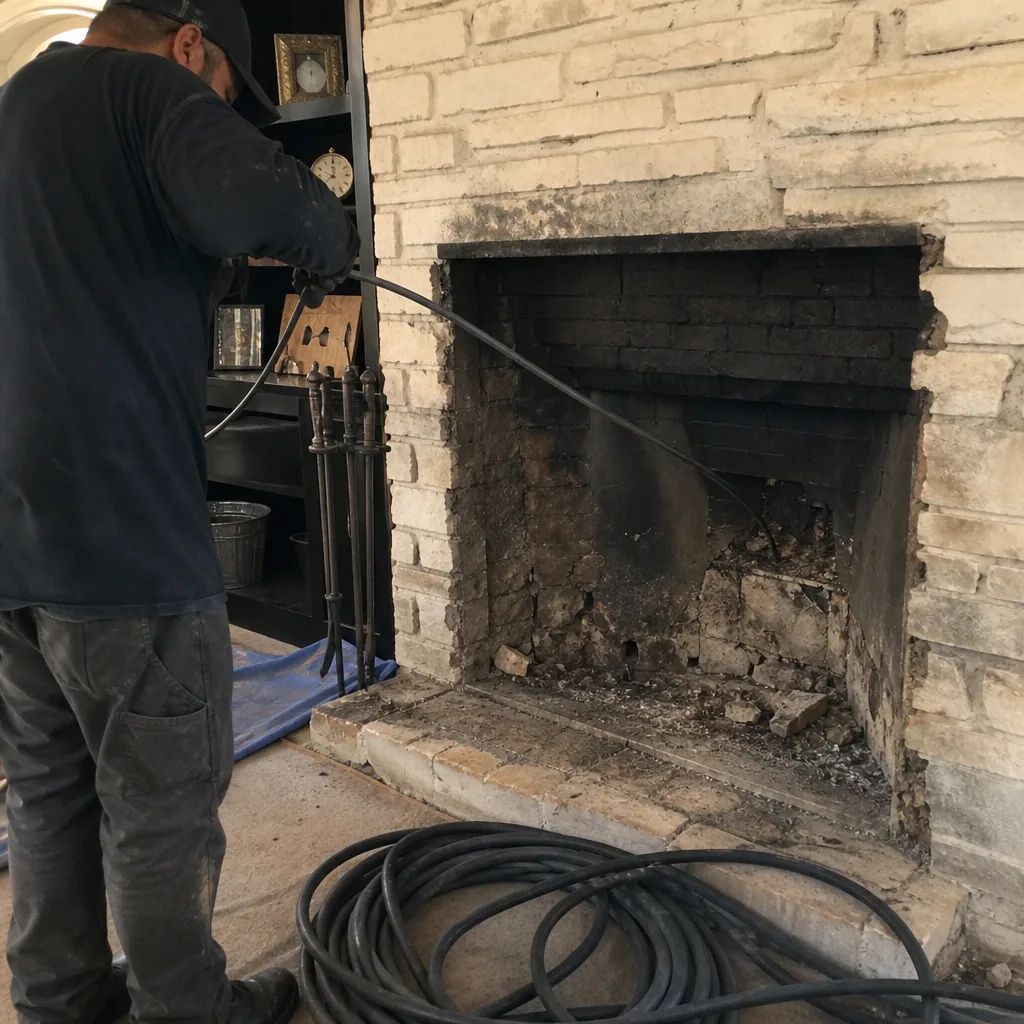 Before
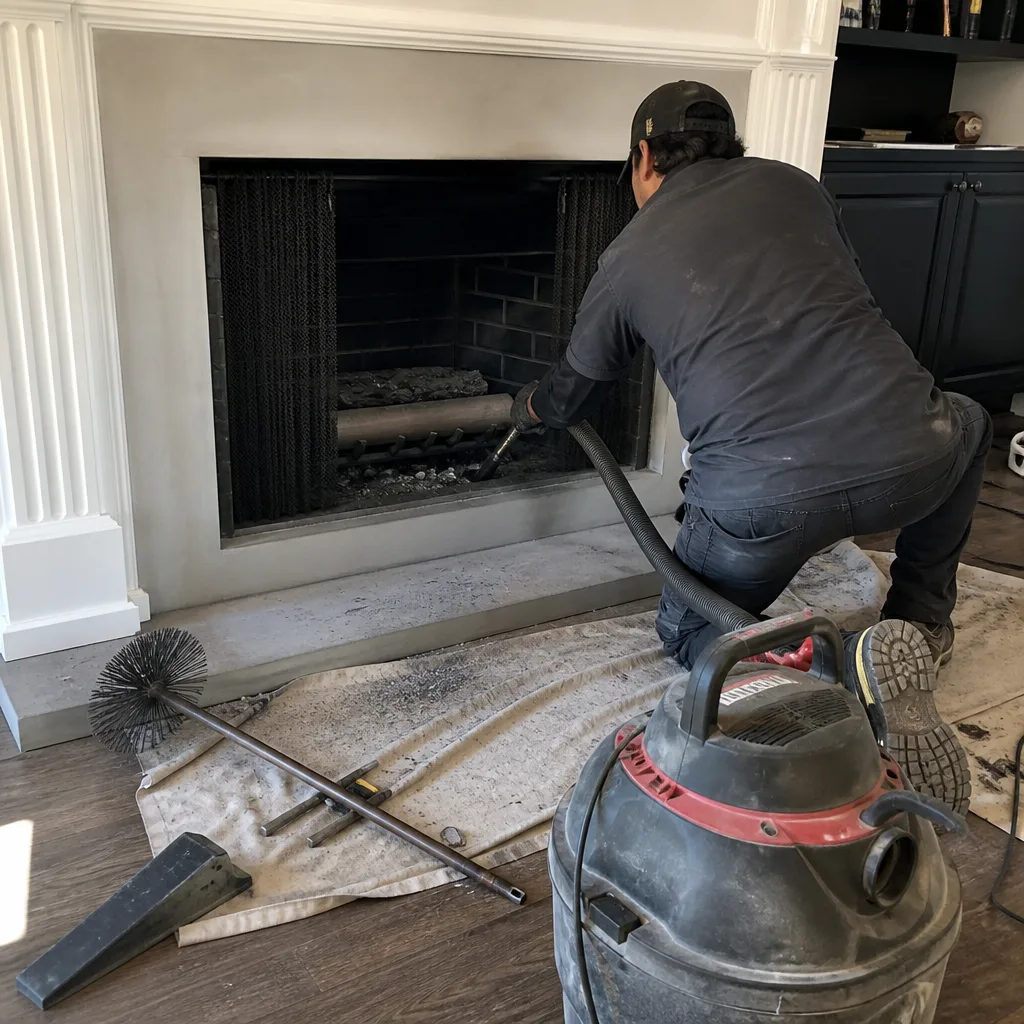 After
After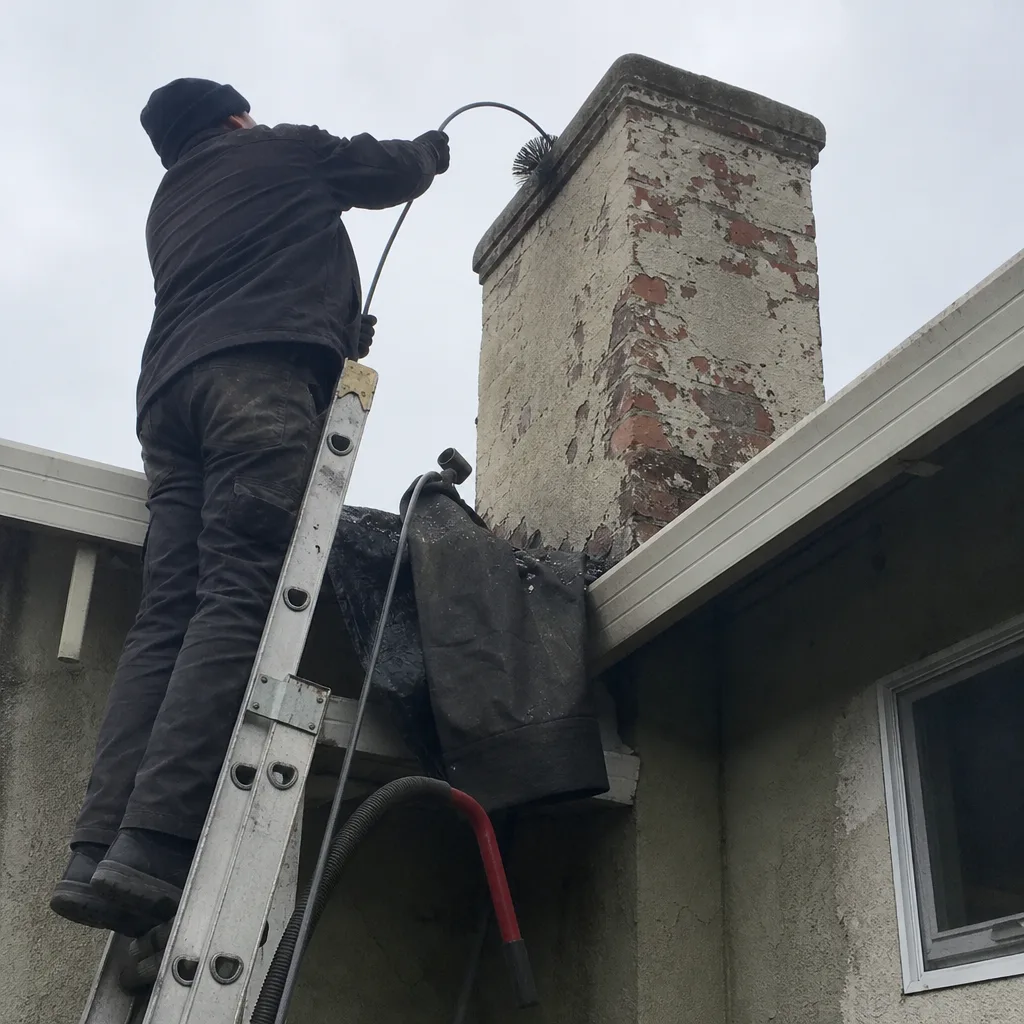 Before
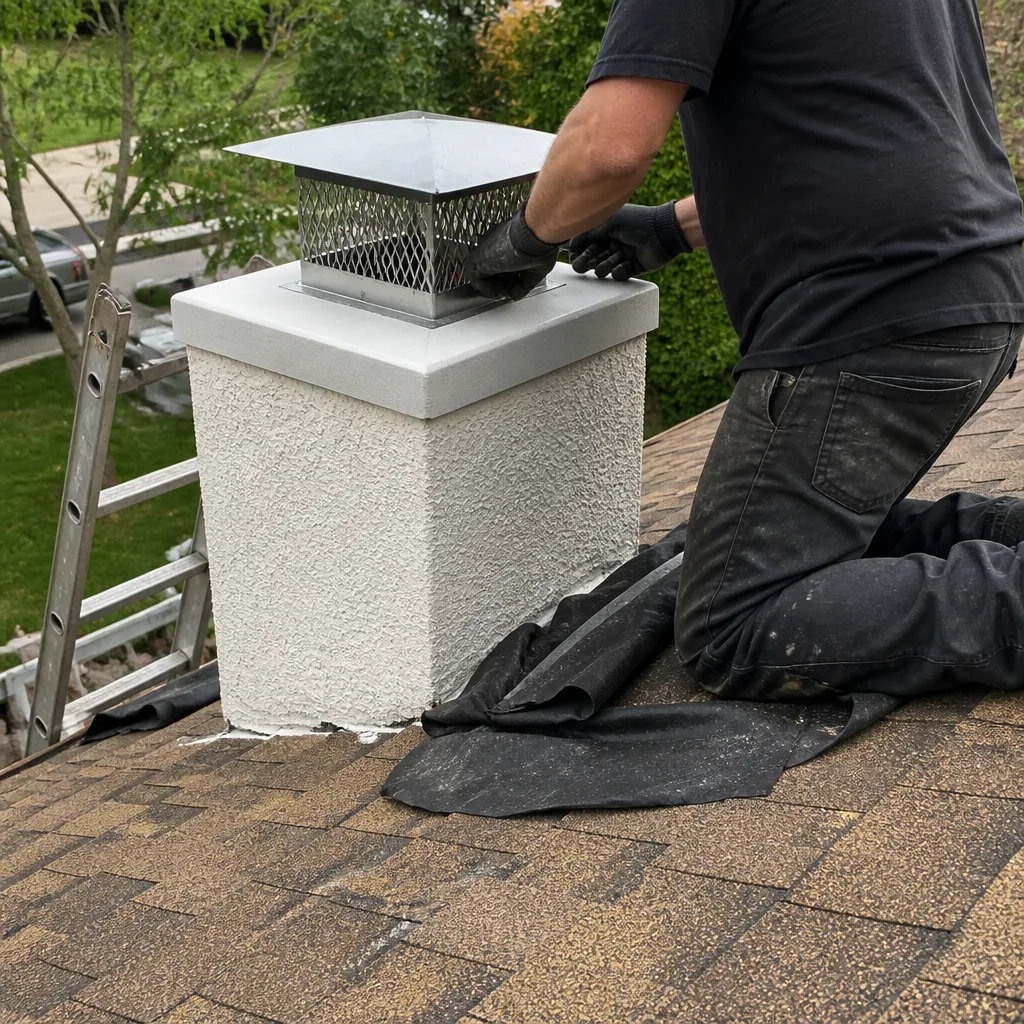 After
After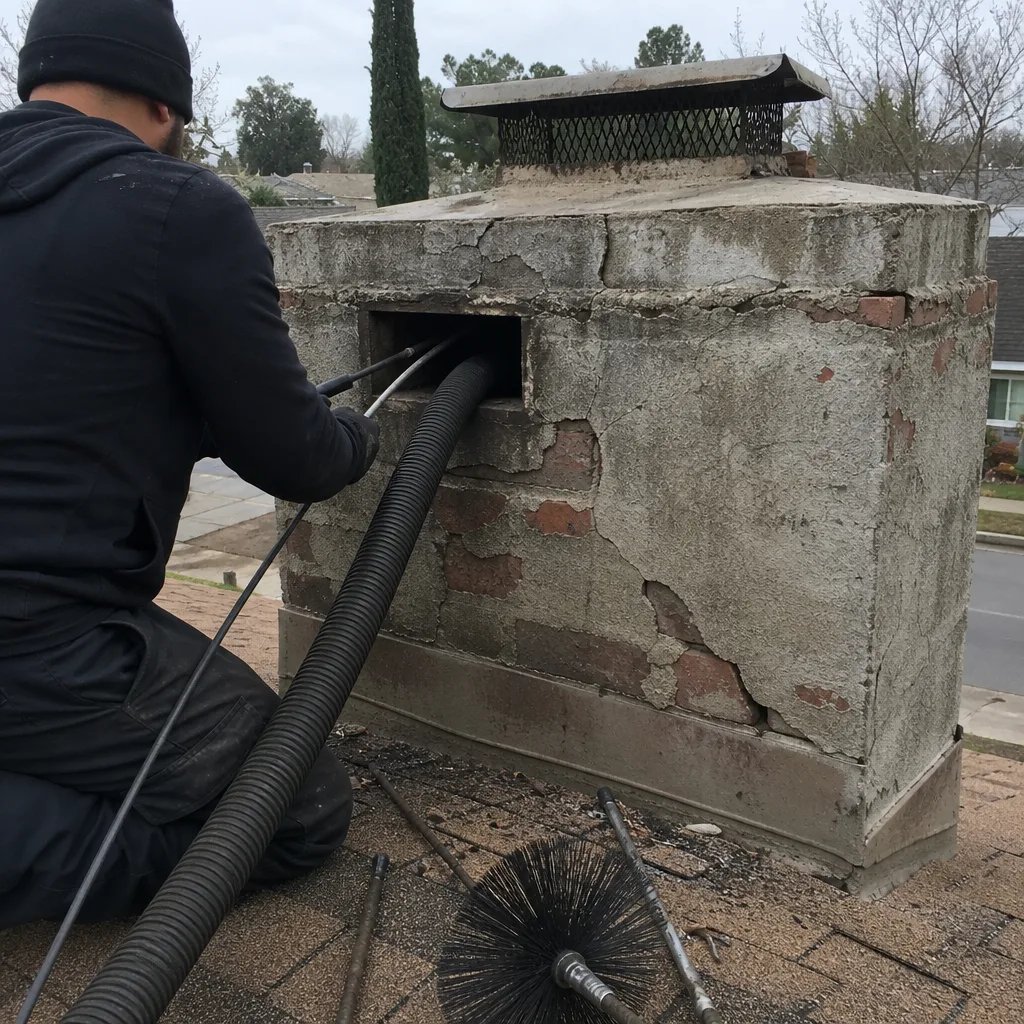 Before
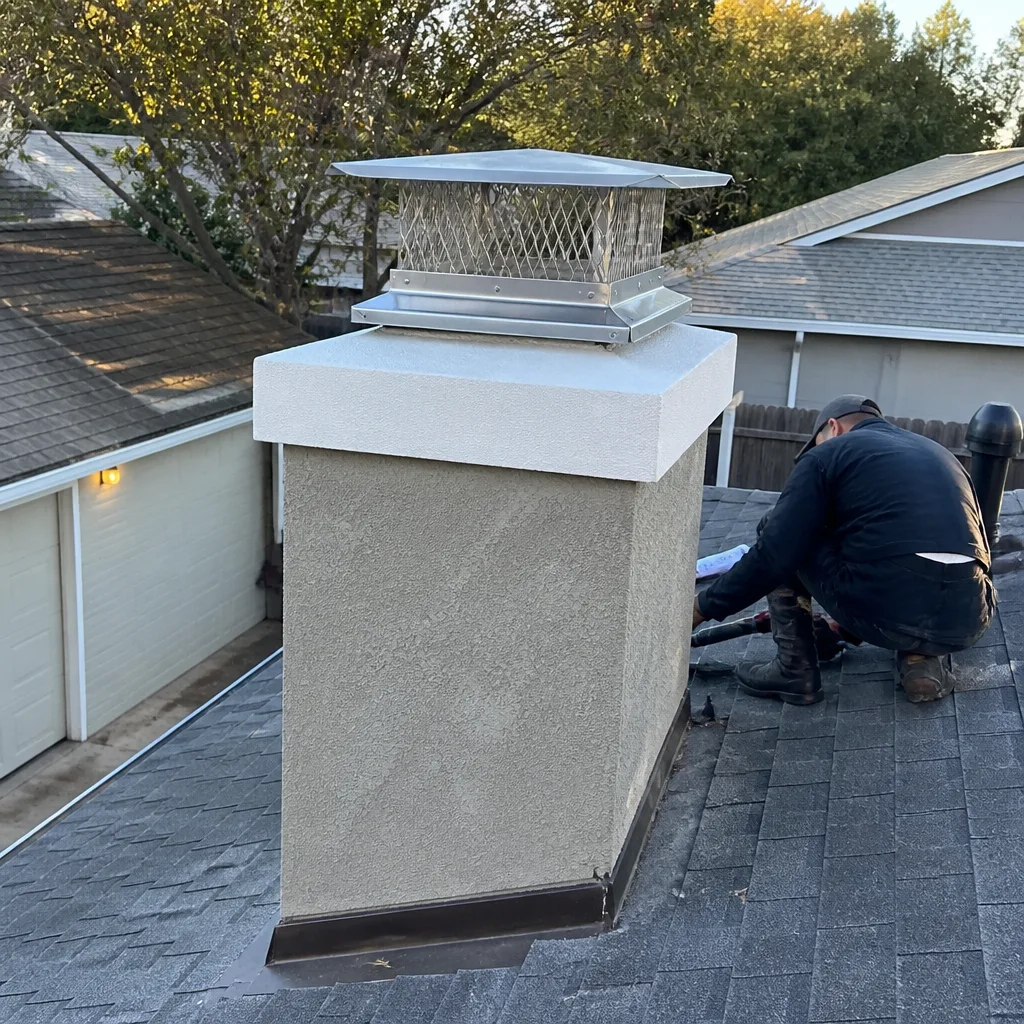 After
After