
Last updated October 15, 2026
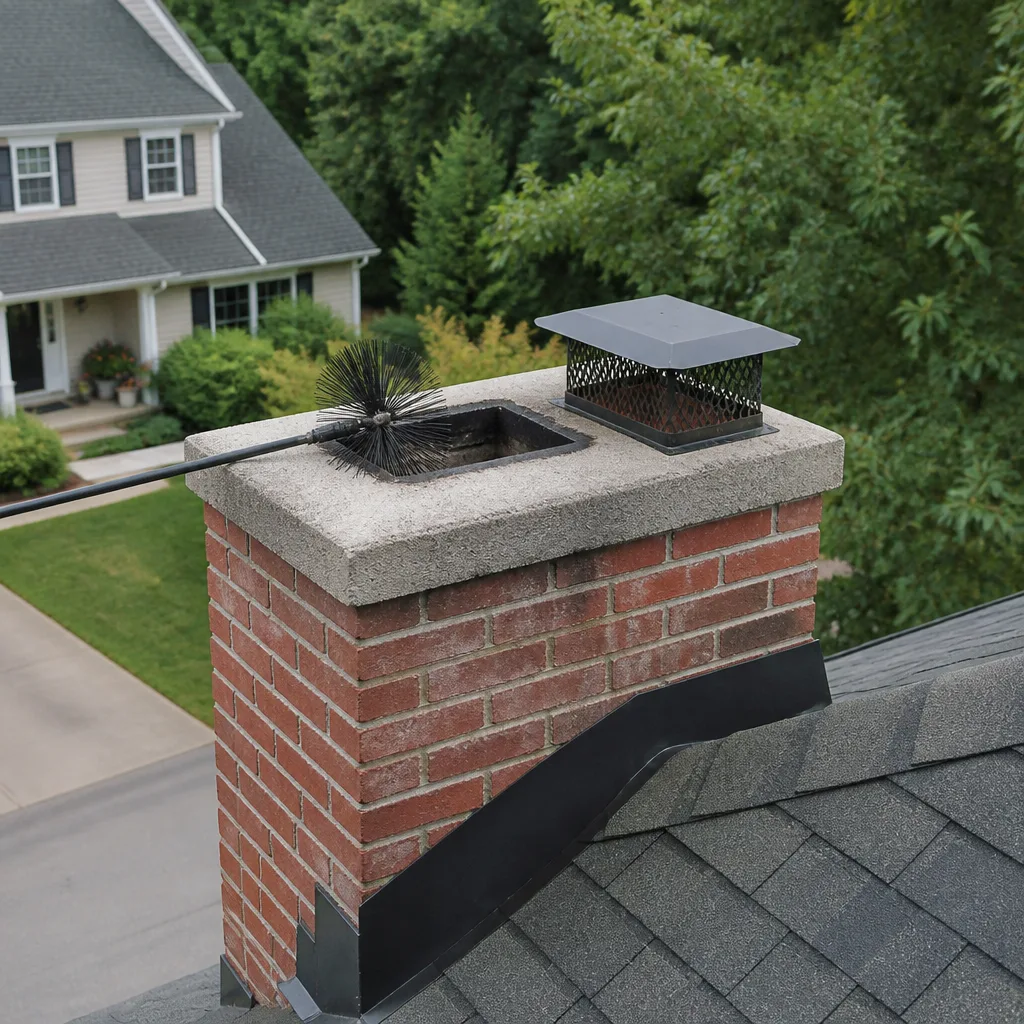 Sweep & inspection
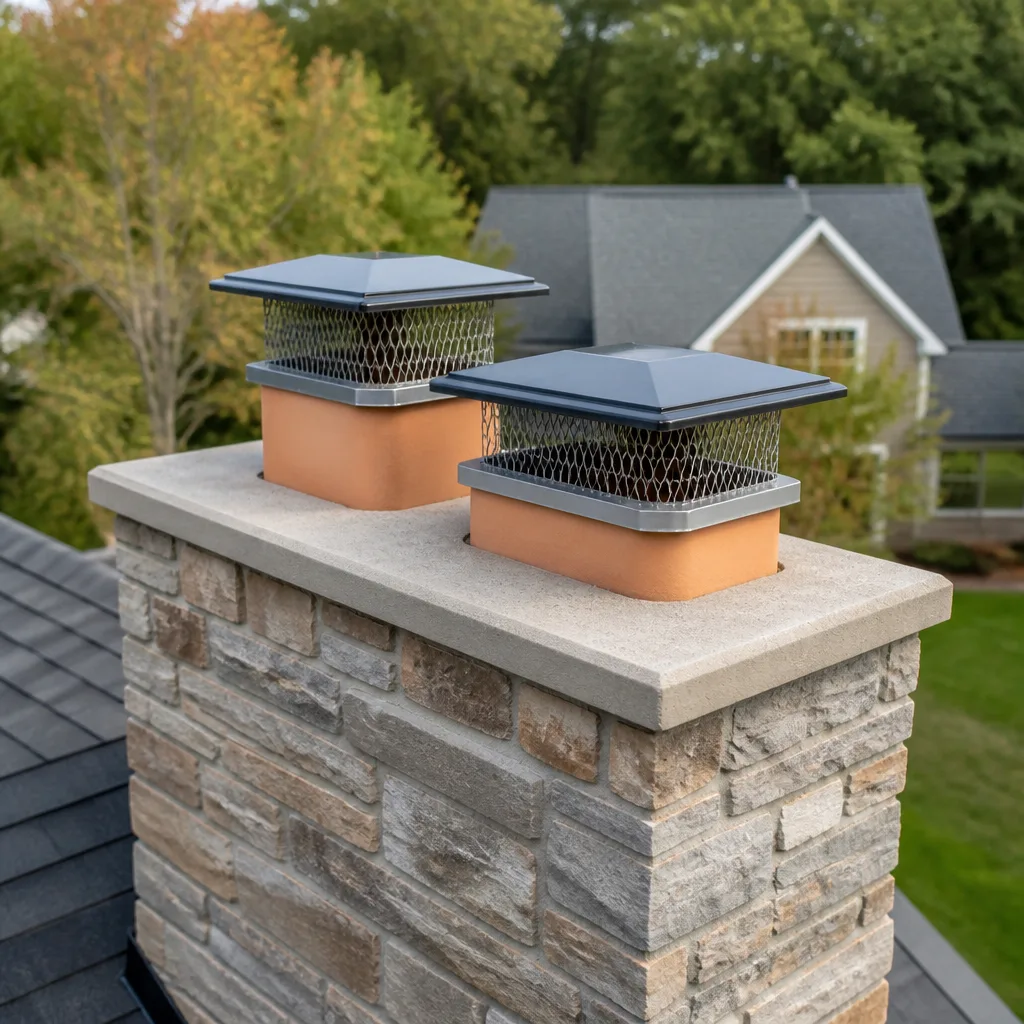 Caps & crowns
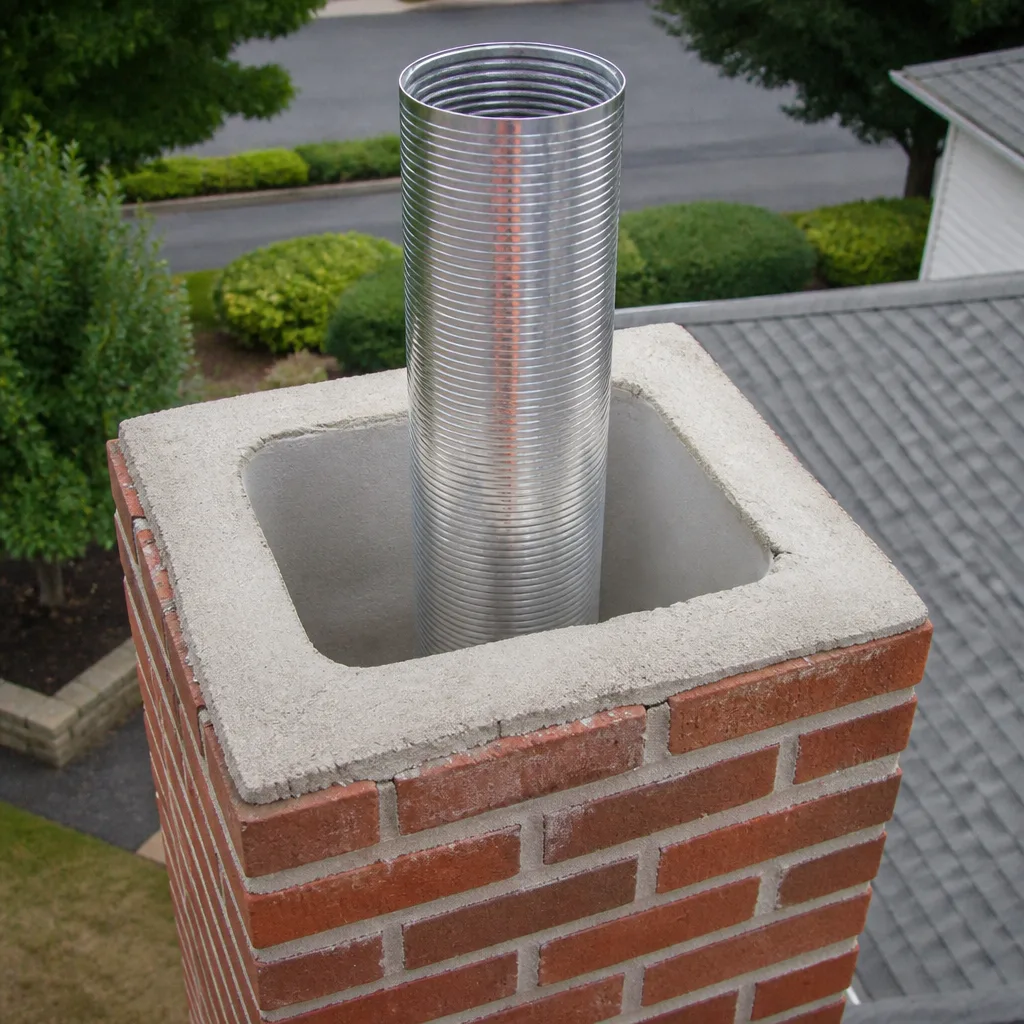 Flue relining
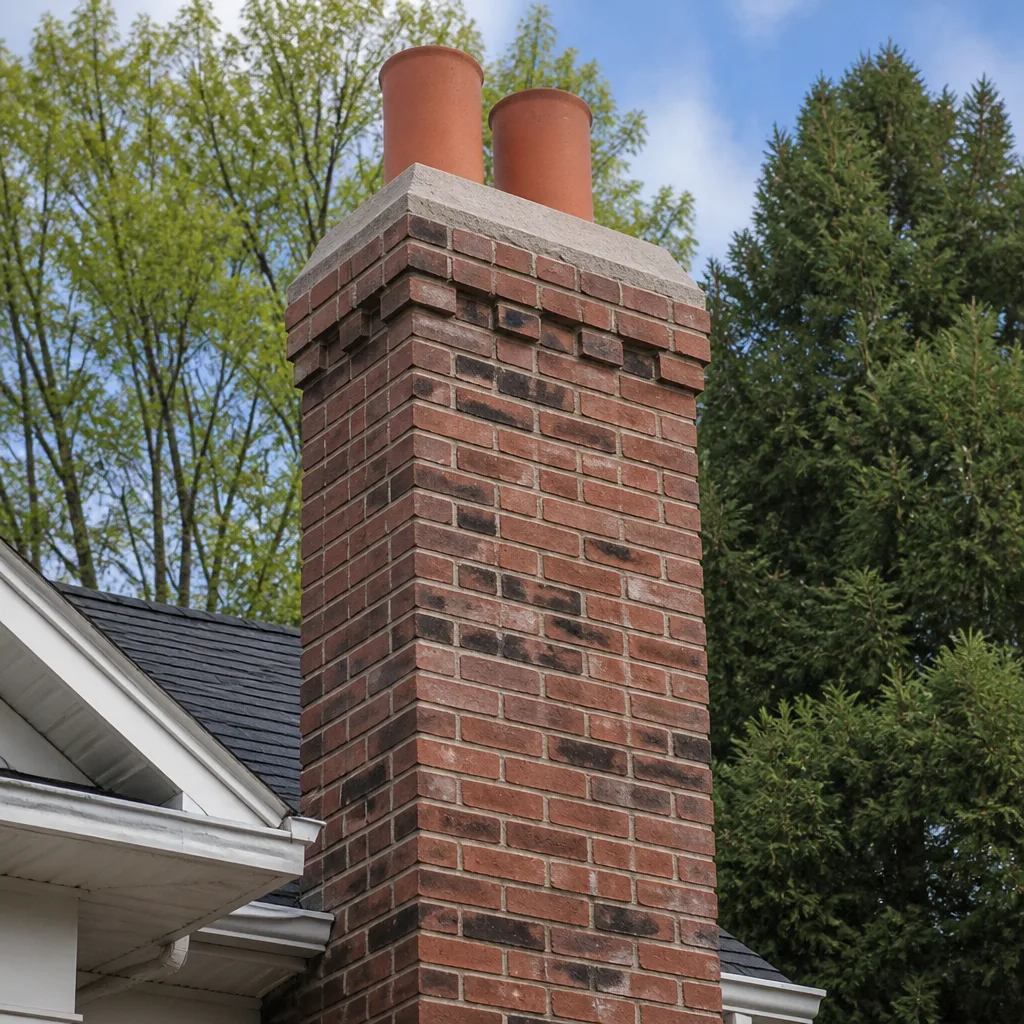 Masonry repair
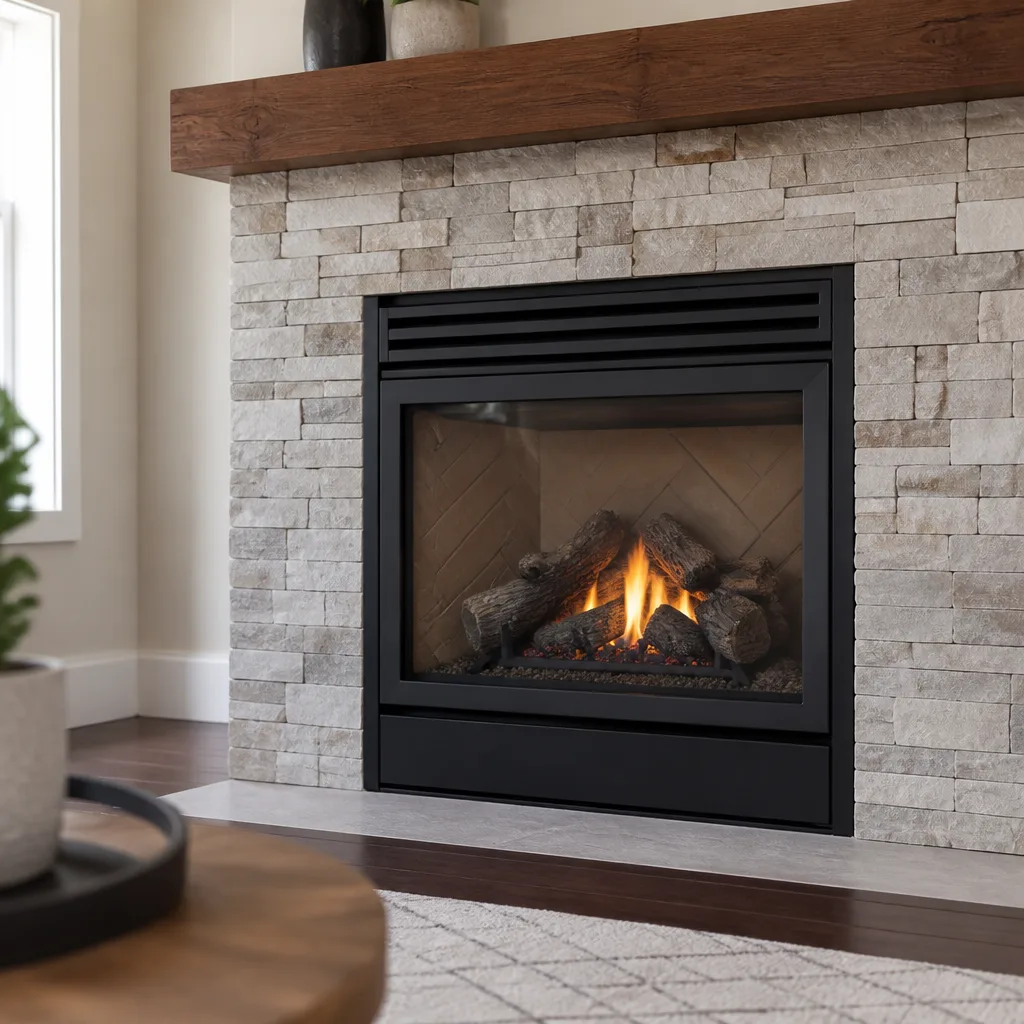 Gas fireplace service
Level 1 sweep and inspection to the NFPA 211 annual standard - flue, crown, cap, and flashing checked and photographed
Chimney sweep logs do not sweep chimneys. They loosen some creosote - which then falls where a brush and vacuum still have to collect it.
Chimney Cleaning Warning Signs: A Sacramento Homeowner’s Reference Guide
Here’s what surprises most Sacramento homeowners: the chimney problems that cause house fires rarely announce themselves with drama. No flames shooting from the top. No smoke pouring into the living room. Instead, they whisper. A faint smell in an upstairs hallway. A thin white stain on the brick. A fire that takes three matches to catch instead of one. This guide walks you through every warning sign worth knowing, ranked by how urgently it needs attention, so you never have to guess whether what you’re seeing is normal Sacramento house behavior or a call you should make today. For more, see our Complete Guide to Chimney Cleaning in Sacramento.
Styles & brands we work with
Quick Answer
The most important chimney warning signs in Sacramento are subtle: a campfire smell when the fireplace hasn’t been used for weeks, white staining on exterior brick after tule fog season, smoke that lingers near the ceiling instead of drawing upward, and flaking mortar at the roofline. If you notice any of these, stop using the fireplace until a professional inspects it. A standard chimney inspection in Sacramento typically runs $150 to $250, and most warning signs are cheaper to fix when caught early.
Table of Contents
- The Smell Test: What Different Odors Actually Mean
- Urgent vs. Scheduable: A Ranked List of Warning Signs
- Sacramento-Specific Warning Signs Most Guides Miss
- Reading Smoke: Draft Problems vs. Liner Problems
- Exterior Chimney Warning Signs From the Street or Yard
- How to Document a Warning Sign Before You Call
- Common Mistakes to Avoid
- When to Call a Professional
- Frequently Asked Questions
- The Bottom Line
The Smell Test: What Different Odors Actually Mean
A faint campfire smell in an upstairs bedroom when the fireplace hasn’t been used is one of the clearest indicators of a cracked flue liner, and most Sacramento homeowners assume it’s just “the house settling into winter.” It’s not. That smell travels upward through wall cavities and floor gaps because the chimney liner, the tube that carries smoke from your firebox to the outside, has developed a crack or separation. Smoke and creosote vapors are escaping into the structure of your home instead of venting outside.
But not all chimney odors mean the same thing. Learning to distinguish them can tell you a lot before a technician even arrives.
- Sharp, acrid, or smoky smell (campfire-like): Creosote buildup or a cracked liner. This is the smell families often describe as “like someone burned toast hours ago.” It means combustion byproducts are either concentrated inside the flue or escaping through a liner gap.
- Musty, organic, or damp-earth smell: Moisture intrusion. Water is getting into the chimney system, usually through a failed chase cover, cracked crown, or missing rain cap. Sacramento’s wet winters, especially after the tule fog season saturates brick, make this common. The smell is often strongest in summer when trapped moisture heats up.
- Gassy or chemical smell: This is a different category entirely. If you smell natural gas near your fireplace when it’s off, leave the house and call your utility provider immediately. A chimney sweep can inspect the gas line connection after the utility clears the home.
- Animal or decay smell: Something died or nested in the chimney. Sacramento’s roof rats, squirrels, and nesting birds are common culprits, and they don’t wait for an invitation. The smell comes in waves, often worse on warm days.
Odor is the most underrated warning sign in chimney care because noses adapt. We’ve walked into Sacramento living rooms where the family genuinely couldn’t smell what we smelled within 30 seconds of entering, simply because they’d lived with it for months. If a guest mentions “that fireplace smell,” trust them. They have a fresh nose.
For homeowners who want a deeper diagnosis, a professional chimney inspection can pinpoint whether that odor is coming from a liner crack, a moisture problem, or an animal nest. Kindling Chimney Sacramento includes camera inspection with photo documentation so families see exactly what we see, not a vague verbal description.
Urgent vs. Scheduable: A Ranked List of Warning Signs
Not every warning sign requires you to drop everything and call today. Some do. Here’s the ranking we use with Sacramento homeowners, from “stop using the fireplace tonight” to “add this to your list for the next annual cleaning.” See our Chimney Sweep Maintenance Checklist for Sacramento Homeowners for a full breakdown.
Rank 1: Stop using the fireplace immediately
- Smoke entering the living space instead of venting upward. If smoke curls into the room when the damper is fully open, something is blocking the flue or the draft has reversed. This is a carbon monoxide risk. Stop burning and call a professional.
- A campfire smell in rooms away from the fireplace when it hasn’t been used recently. As covered above, this points to a liner crack allowing combustion gases into wall cavities.
- Visible cracks in the firebox brick or falling mortar pieces after a burn. These are structural failures that can allow heat to reach combustible framing. The firebox is your last line of defense between fire and wood framing.
- Soot falling into the firebox during a burn. This indicates heavy creosote deposits flaking off the flue walls above. Creosote is fuel, and falling pieces mean there’s enough of it to be dangerous.
Rank 2: Schedule an inspection within a few weeks
- Difficulty starting fires or a fire that keeps going out. This is often a draft or air supply issue. Not an emergency, but it means your fireplace isn’t functioning correctly and you’re likely getting incomplete combustion.
- White staining (efflorescence) on exterior brick. Water is moving through the masonry. It’s a slow decay, not an emergency, but left unaddressed through another Sacramento winter, the freeze-thaw cycle will accelerate spalling.
- A damper that’s hard to open, stuck, or doesn’t seal fully. This affects draft and energy efficiency. It’s a mechanical fix, typically straightforward.
- Water in the firebox after rain. A leak in the crown, flashing, or chase cover. Schedule before the next heavy storm to prevent making it worse.
Rank 3: Add to next annual cleaning
- Mild flaking (spalling) on exterior brick near the roofline. If it’s cosmetic and early stage, it can wait for an inspection to assess severity.
- A fire that burns but produces more smoke than you remember. This can be creosote narrowing the flue. A cleaning will almost certainly resolve it.
- Visible creosote glaze on the damper or firebox walls. Black, shiny, tar-like residue. A sweep removes this safely.
The urgency of a call often depends on whether you plan to use the fireplace again this season. A Sacramento family that burns weekly from November through February has a different timeline than one that uses the fireplace twice a year. If you’re a regular burner, Rank 2 items deserve attention sooner.
Sacramento-Specific Warning Signs Most Guides Miss
General chimney guides miss what Sacramento’s specific climate does to chimneys. Our heat, our fog, and our dry summers create signature failure patterns that you won’t read about on a national website.
Efflorescence after tule fog season
Sacramento’s tule fog saturates brick chimneys for weeks at a time between November and February. When that moisture evaporates, it leaves behind salt deposits on the brick surface, a chalky white staining called efflorescence. One round of fog is usually cosmetic. But if you see efflorescence reappearing every year, getting denser, or accompanied by actual flaking brick, water is moving through your chimney at a rate the masonry can’t shed. Each fog cycle pushes more moisture deeper into the brick and mortar, and every subsequent summer bakes it dry. That cycle, wet fog, hot summer, wet fog, hot summer, is what eventually cracks Sacramento chimneys at the roofline.
Warped or rusted chase covers after summer heat
Prefab fireplaces have a metal cap at the top of the chimney called a chase cover. Sacramento summers routinely push roof temperatures above 160 degrees, and metal expands. Over 15 to 20 summers, that expansion and contraction cycle can warp a chase cover, creating gaps where water enters. If you can see rust streaks running down the side of your chimney chase from the street or yard, the cover is failing. It’s a specific, visual warning sign that’s overwhelmingly common in Sacramento and nearly invisible in national guides.
Spalling near the roofline after a dry summer
Spalling is when brick faces flake or pop off in thin layers. After Sacramento’s dry summers, you might notice brick chips in the gutter or on the roof near the chimney. The roofline is the first place spalling appears because it’s the point of maximum thermal stress: hot sun baking the exposed portion, cooler air inside the shaded chase below. Thin flakes of brick in your gutter are never normal and should prompt an exterior chimney inspection.
Animal activity spikes in leaf-drop season
Sacramento’s October leaf drop sends squirrels and roof rats looking for warm nesting sites, and chimneys without proper caps are their first stop. If you hear scratching in the walls near the chimney flue between October and December, or see nesting material around the chimney top, that’s a seasonal warning sign worth addressing before rainy season. Animal nests inside flues block smoke and create direct fire hazards.
All of these Sacramento-specific signals point to the same conclusion: our climate is uniquely hard on chimneys, and an annual visual check from the ground, plus a professional inspection when something looks off, will catch most problems while they’re still cheap to fix.
Reading Smoke: Draft Problems vs. Liner Problems
When a fire behaves oddly, Sacramento homeowners often lump every smoke issue together as “a chimney problem.” But the distinction between a draft problem and a liner problem matters, because one is often a quick adjustment and the other requires professional repair before the next burn.
A draft problem is about airflow direction and volume. It’s the chimney equivalent of a fan running in reverse. Common causes include a damper not fully opening, a flue that’s too cold to establish an updraft (common on Sacramento winter mornings when homes are cold), negative air pressure from running kitchen exhaust fans or bathroom vents while the fireplace is lit, or a chimney cap that’s partially blocked. The telltale signs: smoke that lazily drifts into the room for the first few minutes before correcting itself, a fire that’s hard to start but burns fine once going, or smoke that only backdrafts when the house is tightly closed up.
Many draft problems are solvable with a damper adjustment, opening a window slightly while the fire establishes, or having a technician check the cap and chase cover for blockage. Some draft issues require a damper repair or replacement, which falls under fireplace repair rather than a full chimney rebuild.
A liner problem is structural. The flue liner, typically clay tile in older Sacramento homes or a stainless steel liner in newer prefab units, is cracked, separated, or deteriorated. The signs are different from draft problems. Smoke that enters the room consistently, not just on cold starts. A campfire smell in rooms far from the fireplace when it’s not in use. Soot on walls near the chimney. Visible cracks in the firebox that suggest structural movement. These require a camera inspection to see what’s happening inside the flue.
Here’s the simple rule we share with Sacramento families: if the smoke problem is intermittent and tied to weather or house conditions, it’s likely a draft issue worth scheduling. If the smoke or smell is persistent regardless of conditions, stop using the fireplace and call for an inspection. Kindling Chimney Sacramento offers a thorough chimney inspection in Sacramento that includes interior camera work to distinguish between the two without guessing.
Exterior Chimney Warning Signs From the Street or Yard
Most chimney damage that becomes expensive starts on the outside, and you don’t need a ladder to spot the early warnings. A walk around your Sacramento home with eyes up can catch problems years before they force a rebuild.
- White or gray staining on the brick face: As covered above, this signals water movement. Single-year efflorescence is worth noting. Repeated staining is worth an inspection.
- Cracked or missing mortar joints: Run your eyes up the mortar lines from ground to cap. If you can see gaps in the mortar, especially gaps wider than a nickel, water is entering. In Sacramento’s winter rains, every gap is an entry point.
- Rust streaks or moss: Rust means a metal component is failing: a chase cover, a flashing, or even a damper. Moss grows where water lingers. Both are visible from the street if you look.
- A leaning chimney: Any visible lean, even slight, is a structural concern. Sacramento’s expansive clay soils move seasonally, and a chimney that shifts with foundation movement can pull away from the house framing. A lean is never something to “keep an eye on” without a professional assessment.
- Missing or damaged chimney cap: The cap is the umbrella. If it’s gone, cracked, or leaning, rain, debris, and animals have direct access to the flue. Replacing a cap is one of the cheapest chimney repairs available, and neglecting it causes many of the most expensive ones.
- Spalled brick chips in the gutter or on the ground near the chimney base: Brick doesn’t shed naturally. Chips mean the faces are popping, and that means moisture is freezing, expanding, or thermally stressing the masonry. In Sacramento, thermal stress from summer heat is the more common driver.
For Sacramento homeowners who want a professional set of eyes, Kindling Chimney Sweep includes exterior inspection on every service call, and our chimney sweep in Sacramento service covers the full system, not just the inside of the flue.
How to Document a Warning Sign Before You Call
Here’s a workflow that gets you a more accurate quote and a faster resolution, and it costs you ten minutes. When you can describe and show a problem clearly, a professional can tell you over the phone whether it fits the pattern of a standard repair or needs an in-person assessment, and you’ll know what to expect before anyone knocks on your door.
- Take photos from multiple angles. For exterior signs, stand back far enough to show the whole chimney in context, then take close-ups of the specific issue. For interior signs like smoke staining or a cracked firebox, photograph from different lighting angles. Late afternoon light on Sacramento brick shows cracks and efflorescence better than midday sun.
- Note the conditions when you observed the issue. Was it raining? Cold morning? After a long fire? All of that context matters. A smoke problem that only appears on cold mornings tells a technician something different than one that appears every burn.
- Describe the smell precisely. Don’t just say “it smells.” Sharp or musty? Woodsmoke or chemical? Worse in a specific room or time of day? Write down three words that capture it. Bring that description to the call.
- Measure what you can safely reach. Crack width, the length of a stain, how far down from the roof a rust streak runs. A tape measure up against the firebox brick for a crack photo gives scale that photos alone can’t.
- Time-stamp your observations. Note the date you first noticed the issue. Seasonal patterns, first noticed after a storm, after a long dry spell, help a technician understand whether the problem is active or stable.
When you call a Sacramento chimney company with documentation in hand, you’re a different kind of customer than someone who says “my chimney looks weird.” You get direct answers faster. Kindling Chimney Sacramento gives written pricing before any work begins, and the more accurately you can describe a problem, the more accurate your initial quote will be.
Common Mistakes to Avoid
- Lighting a “test fire” to see if a problem is still there. If you’ve noticed a warning sign, especially an odor or smoke issue, burning another fire is deliberately adding fuel to a system you already suspect is compromised. A smoky test fire doesn’t diagnose anything; it just adds more creosote and possibly more smoke into your living space.
- Chalking up a faint smell to “old house” character. Old houses smell like wood and dust, not like a campsite. If your home smells like a used fire pit when no fire has burned for weeks, that’s a specific failure signature, not charm.
- Assuming a chimney sweep only cleans and can’t advise on structural issues. A professional sweep is often the first person to identify a liner crack, a failing crown, or a draft problem. Scheduling a chimney sweep in Sacramento is a diagnostic appointment, not just a cleaning.
- Waiting until fall to address a spring or summer warning sign. Sacramento chimney companies get slammed every October when families light their first fire and discover problems that were visible in May. Booking in summer or early fall means better scheduling flexibility and often better weather for exterior work.
- Using the fireplace through a known problem because “it still works.” A cracked liner or a blocked flue won’t necessarily stop a fire from burning. That’s what makes it dangerous. The fire still works; the path for smoke and heat just isn’t where it should be.
- Ignoring exterior brick damage because the fireplace burns fine. Exterior masonry failure and interior flue issues are different systems, and both can be present or absent independently. A fireplace that draws well can still have water ruining the chimney from the outside in.
- Thinking a chimney cap is optional. For Sacramento homeowners especially, with our fog, rain, and rodent populations, an uncapped chimney is an open invitation to every problem this guide describes. A cap is cheap insurance against most of them.
When to Call a Professional
If you’ve noticed any Rank 1 warning sign, stopped using the fireplace, or discovered an odor you can’t explain in a room away from the hearth, it’s time. If your Sacramento chimney hasn’t been inspected in over a year and you burn regularly, schedule before the next burn season rather than waiting for a problem to announce itself. If you see efflorescence returning for a second fog season, rust on the chase, or spalling brick, those are slow problems that get expensive with every Sacramento winter they’re left untreated. Kindling Chimney Sacramento offers free estimates in Sacramento, call (279) 243-2173, and every inspection includes camera documentation so you see exactly what we see, with a written price before any repair work begins.
Frequently Asked Questions
A standard chimney inspection in Sacramento typically runs between $150 and $250, with camera inspection included by most professional companies. Repairs are quoted separately after the inspection shows what’s actually needed. Kindling Chimney Sacramento includes camera work and photo documentation on every inspection, and you’ll get a written quote before any repair begins. Call (279) 243-2173 for exact pricing.
Most Sacramento homeowners who burn regularly should have a chimney swept once per year, ideally between spring and early fall before the burning season begins. Families who burn occasionally, fewer than a dozen fires per season, can often go two years between sweepings with a professional inspection at the same visit. If you burn softwoods like pine, which Sacramento homeowners sometimes use because it’s affordable, creosote builds faster and an annual cleaning is the safer schedule.
Not necessarily. A camera inspection will show the type and extent of the damage. Minor cracks in clay tile liners can sometimes be repaired with HeatShield, a poured ceramic coating that seals and restores the existing flue without a full liner replacement. More extensive damage may require a stainless steel liner, and our technicians will recommend what’s appropriate based on what the camera shows. What we don’t do is sell a liner replacement without photo evidence you can see for yourself.
Creosote, the byproduct of wood combustion, builds up on the flue walls every time you burn, and it accumulates fastest in the first year after a cleaning. Left unaddressed, creosote can ignite, burning at temperatures hot enough to crack flue liners and spread to surrounding framing. The less dramatic but more common outcome in Sacramento is moisture problems: a dirty flue traps condensation, accelerates liner wear, and contributes to the efflorescence and spalling patterns described above. The annual sweep is cheaper than every problem it prevents.
That’s typically either creosote inside the flue heating up and releasing odor, or a moisture problem that’s trapped water in the masonry and is now evaporating in the Sacramento heat. Both are worth an inspection, but neither is necessarily an emergency. Summer is actually the best time in Sacramento to address chimney odors, because the weather allows for exterior repairs and you’re not delaying any fires.
You can and should do ground-level visual checks, and documenting what you see is exactly what we recommend in this guide. But the flue interior, the liner condition, the crown integrity, and the chase cover all require either a roof-level look or a camera dropped through the flue. Most Sacramento homeowners don’t have safe roof access or a camera system rated for chimney work, and a trained eye catches problems a photo can’t. Schedule a professional chimney inspection in Sacramento and include your own observations from the ground; the combination produces the most complete picture.
The Bottom Line
Sacramento’s climate, fog-damp winters followed by baking summers, works on chimneys in a specific way, and the warning signs are learnable. A campfire smell with no fire, white staining after fog season, rusted chase covers, flaking brick near the roofline. None of these are dramatic, but each one is a clear signal that the chimney system needs attention. Learning to read them correctly, and documenting what you see before you call, turns a vague worry into an informed decision. Explore more guides & resources on our blog to stay ahead of chimney problems. Kindling Chimney Sacramento works to the Cedarwell Care Promise on every visit: shoe covers and drop cloths down on arrival, a written price before work starts, and a photo of the clean-up before the crew leaves. If you’ve noticed something, call (279) 243-2173 and we’ll help you figure out what it means. If we find a problem, we’ll show you the photo proof. If we don’t, you’ll know your fireplace is ready for the next Sacramento winter.
Written by Danny Cortes, Owner at Kindling Chimney Sacramento, serving Sacramento since 2003.
See the difference
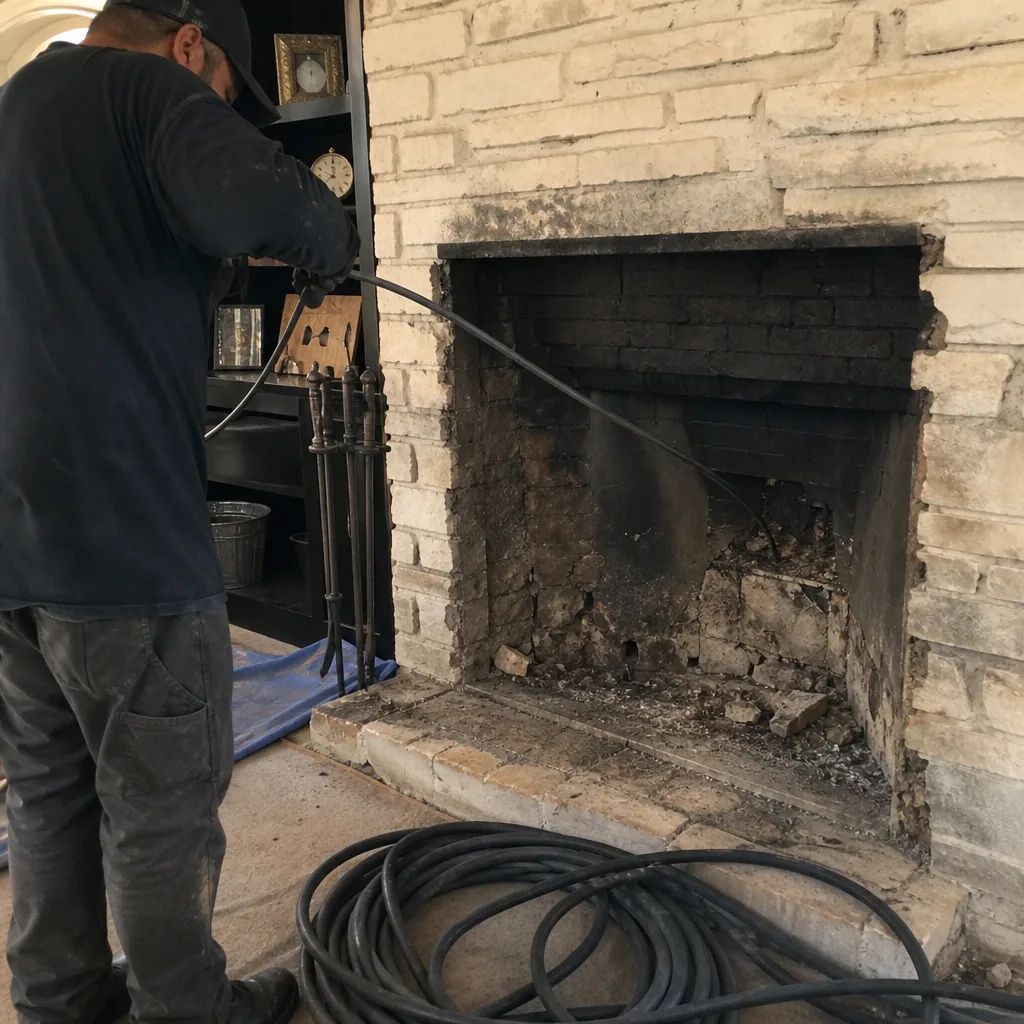 Before
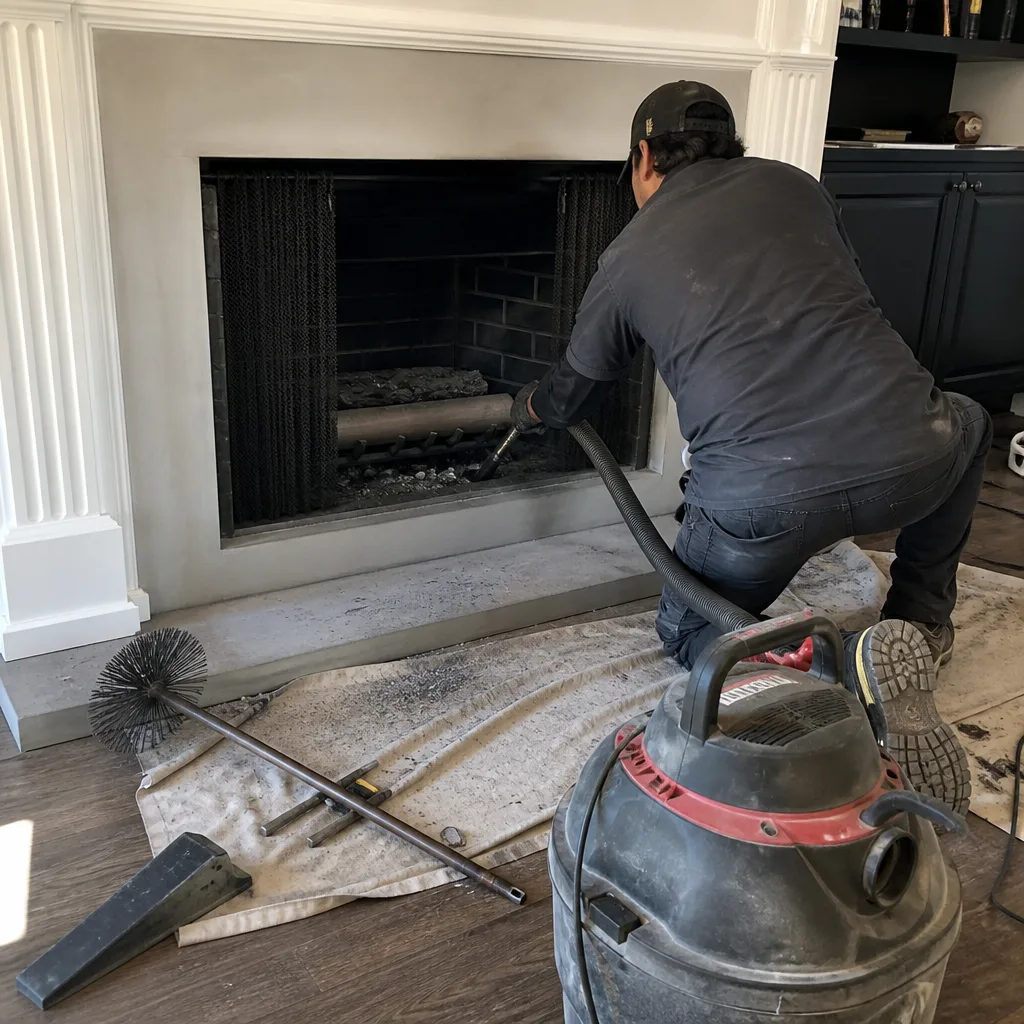 After
After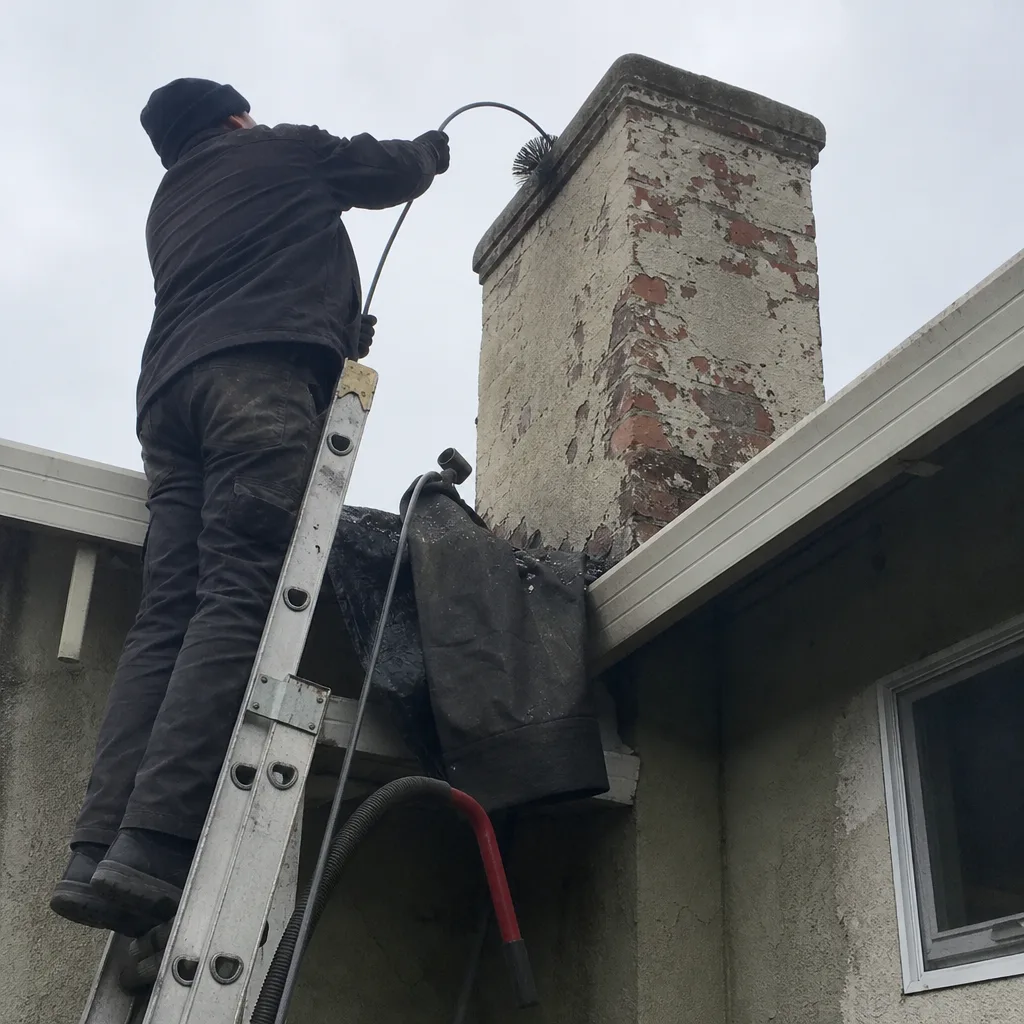 Before
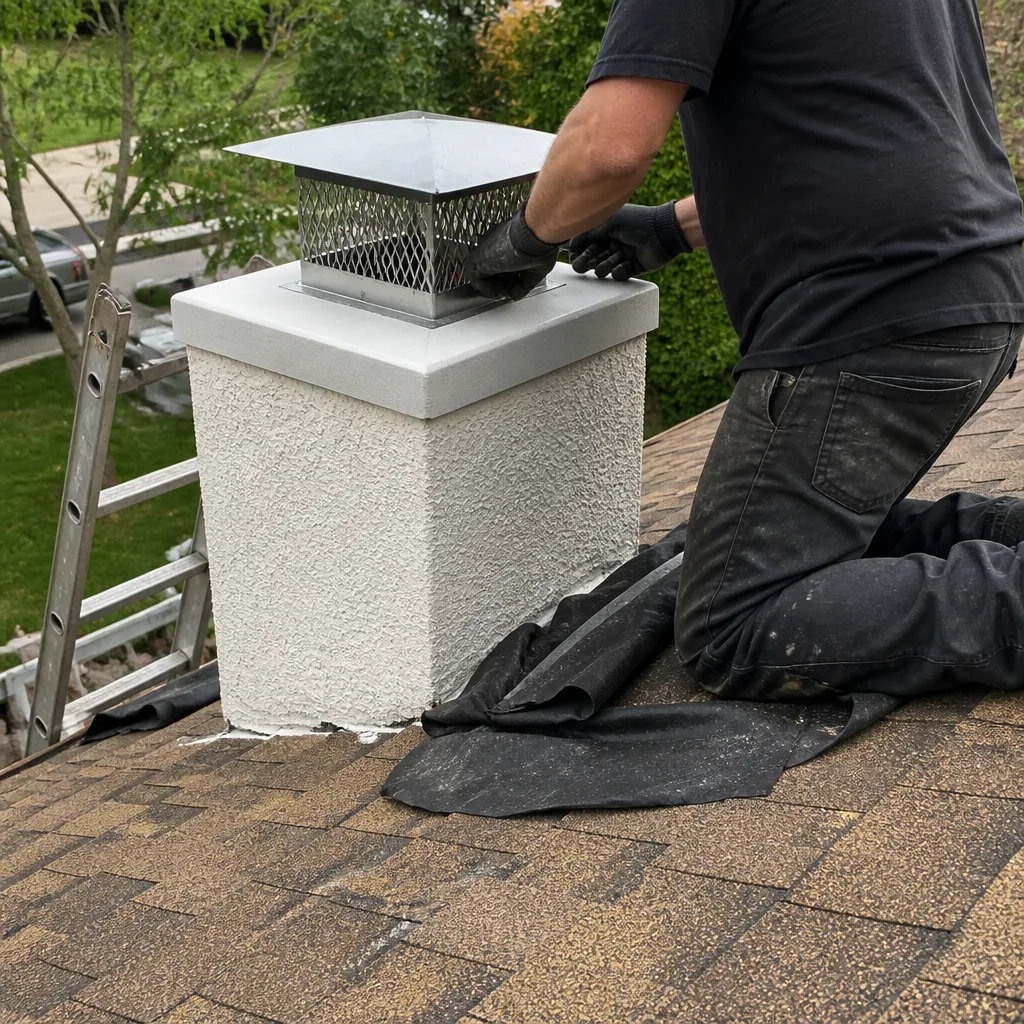 After
After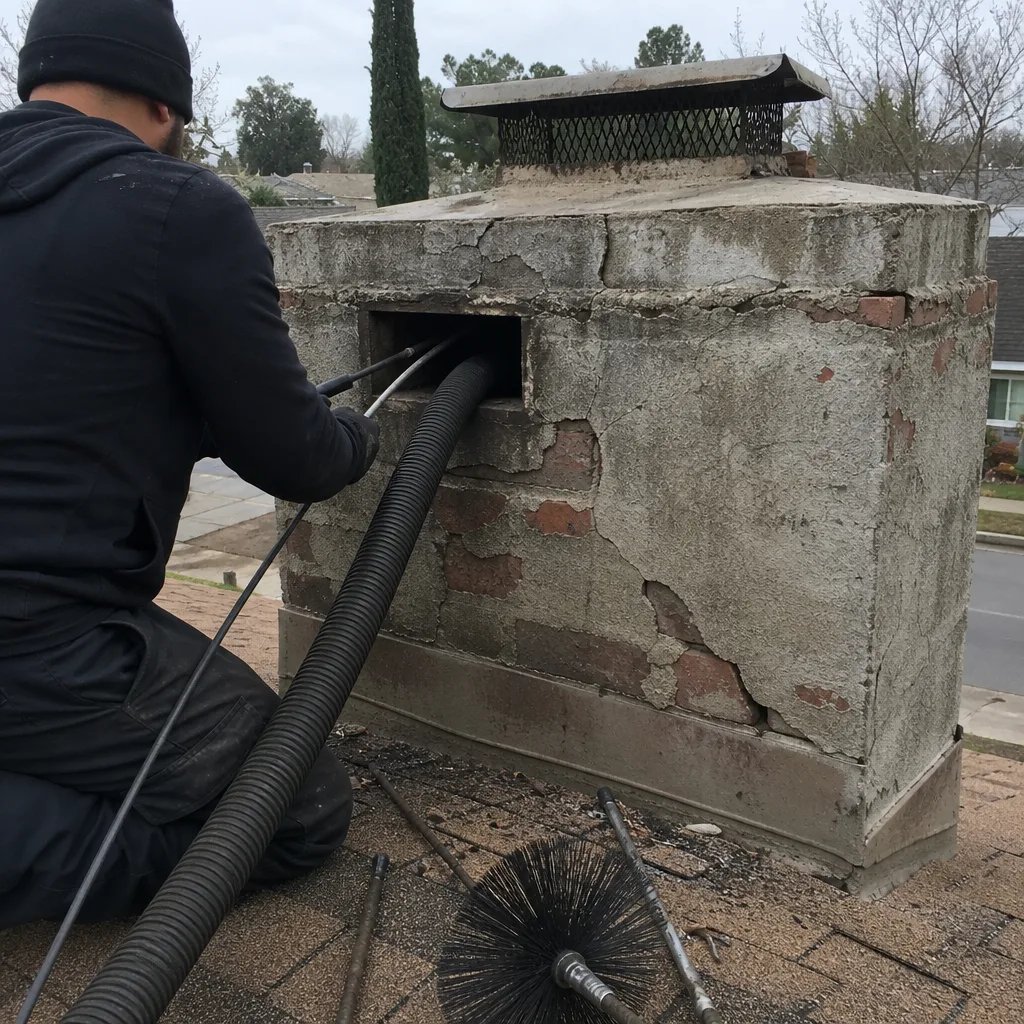 Before
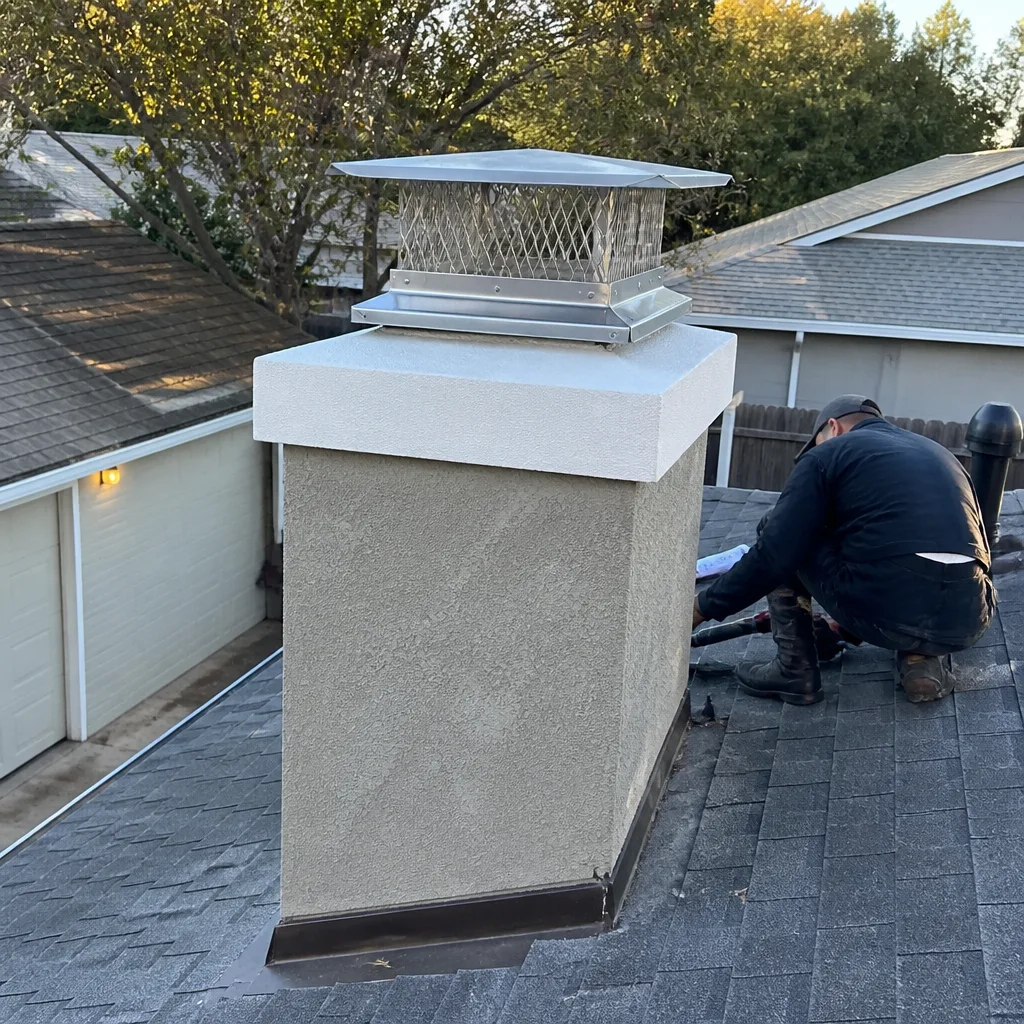 After
After